
+
billion
sensor field hours
sensors
actively monitoring
countries
across seven continents
+ patents
in hydrogen-specific sensing
Discover solutions for your industry
Trusted where failure is not an option.









Expert support for every application, asset and industry.
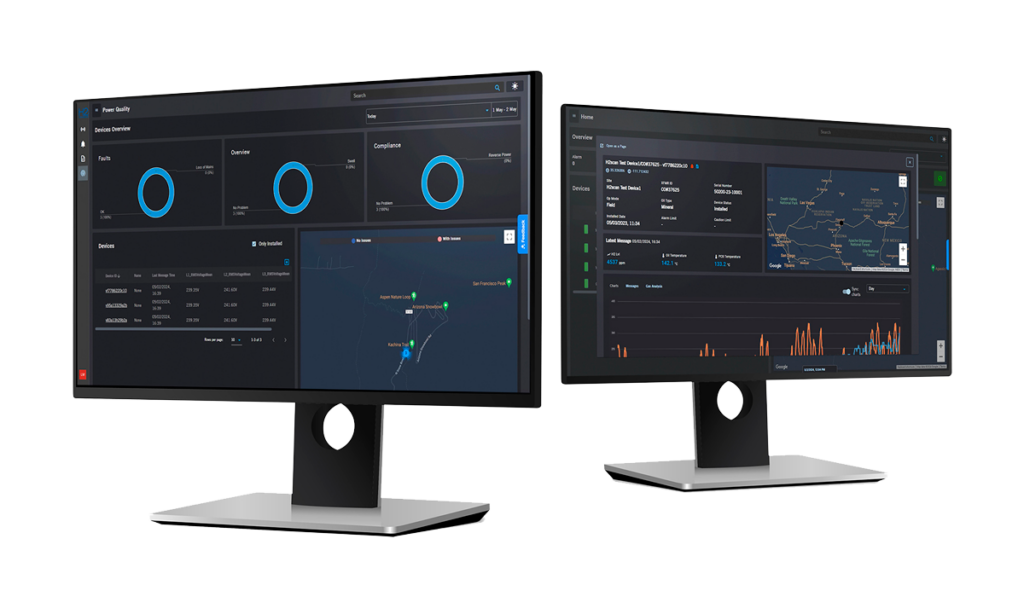
From a single asset to a global fleet, H2scan engineers help you choose what to monitor, integrate it with your systems and turn hydrogen data into confident operational decisions.
The products behind the intelligence.
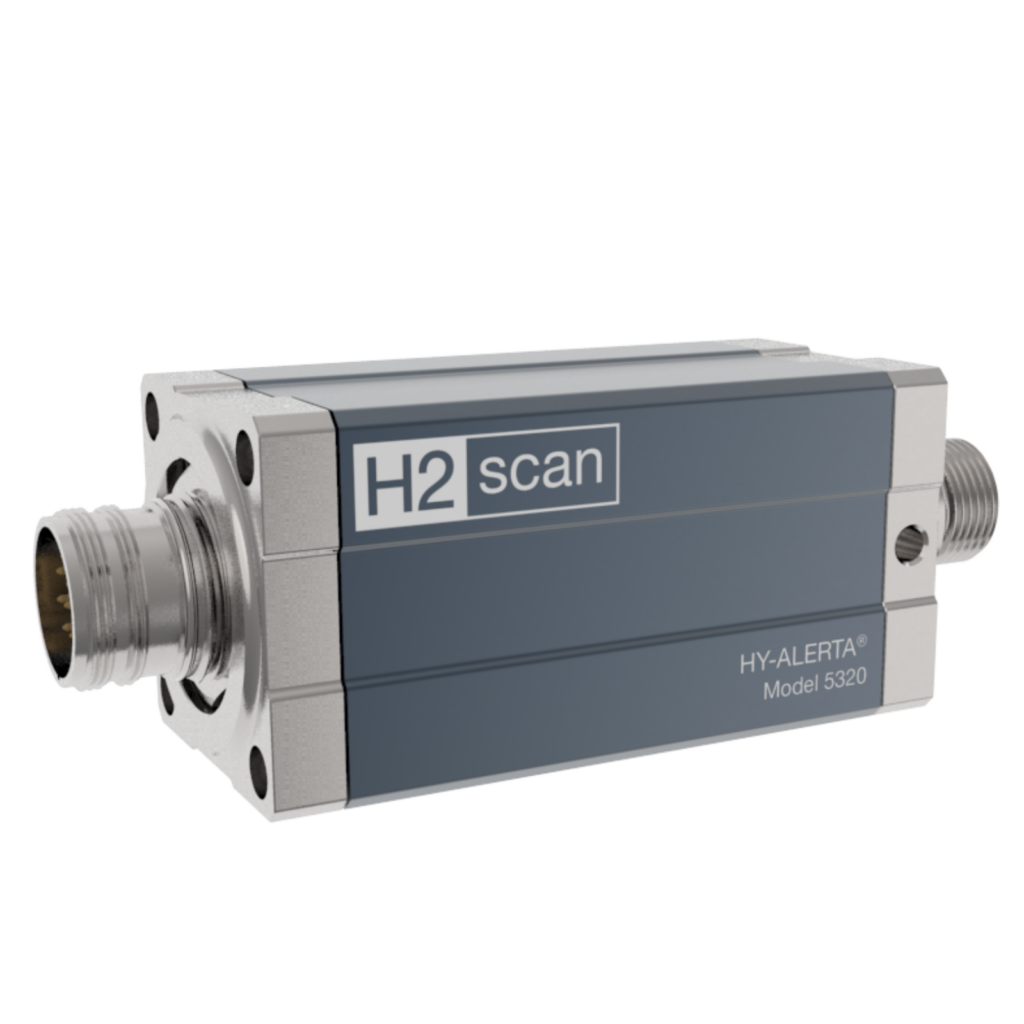
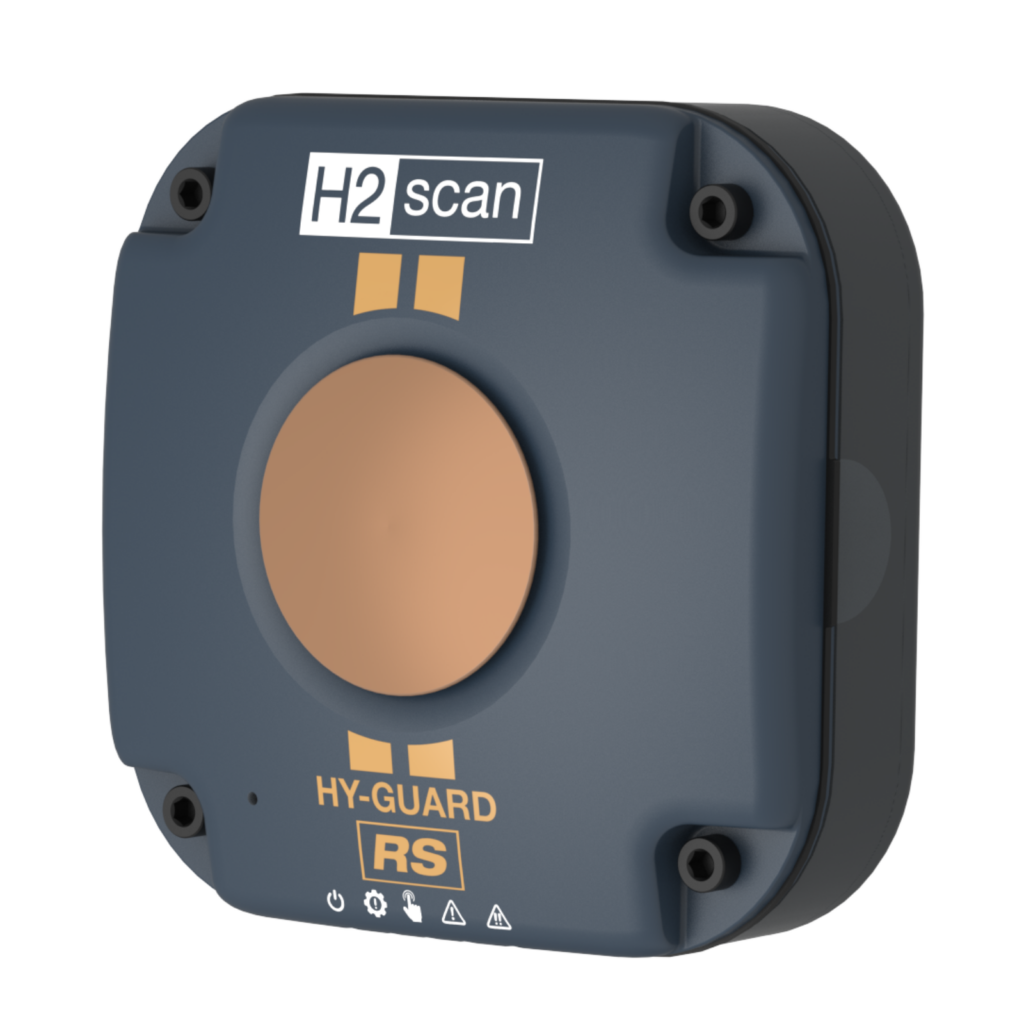
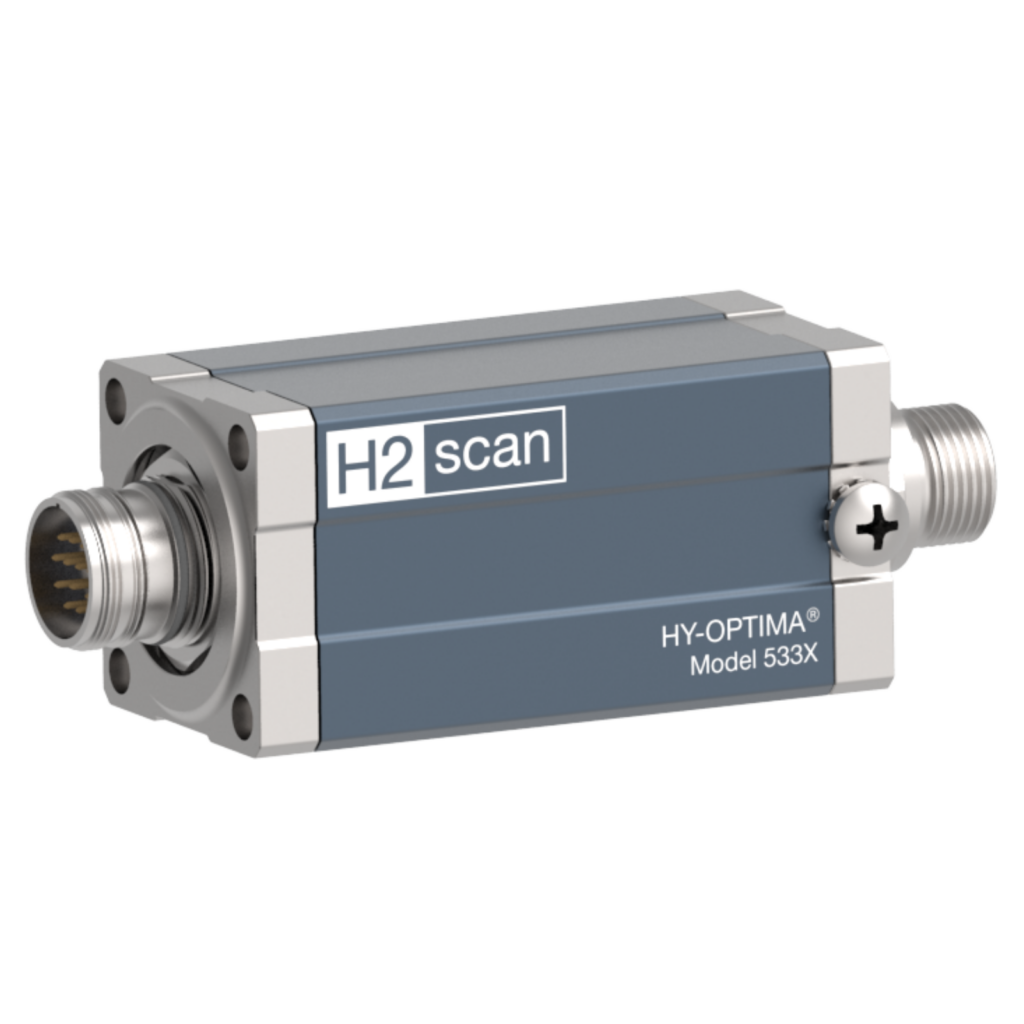
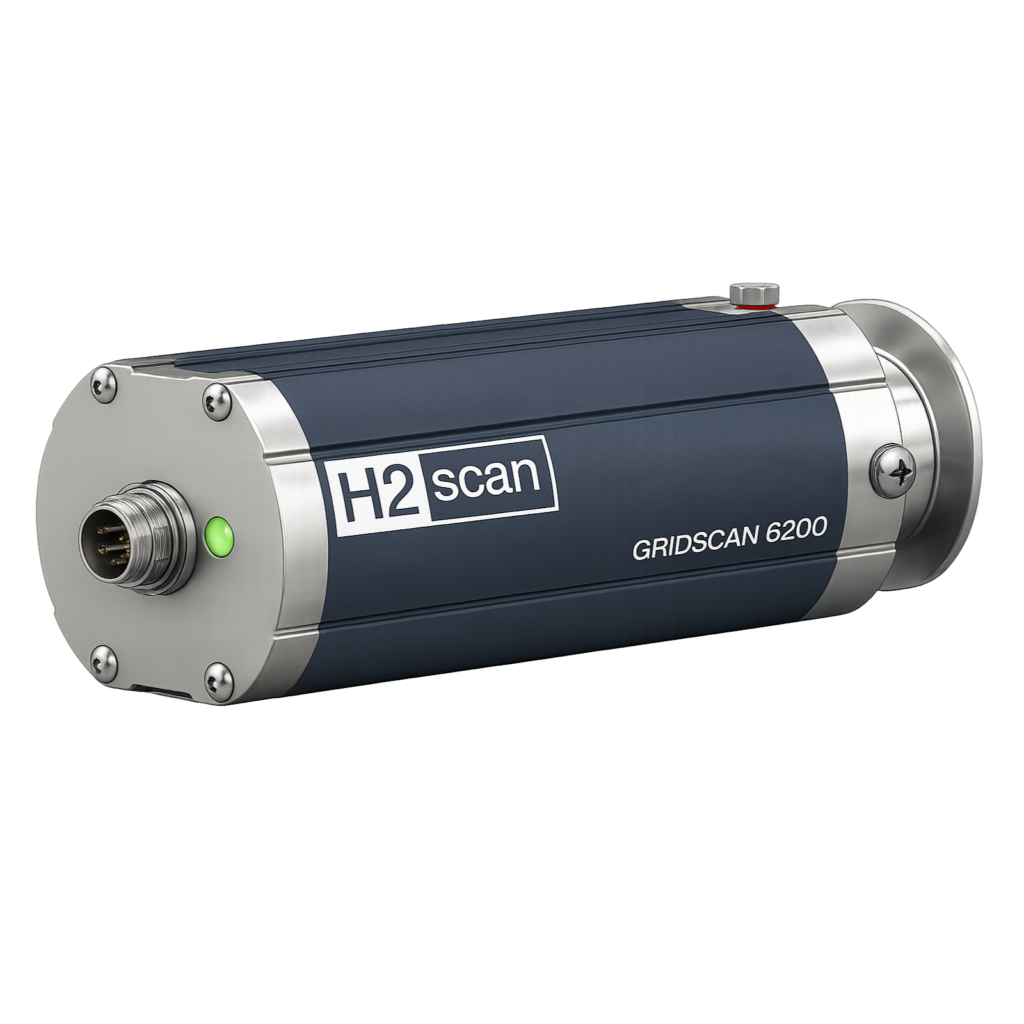
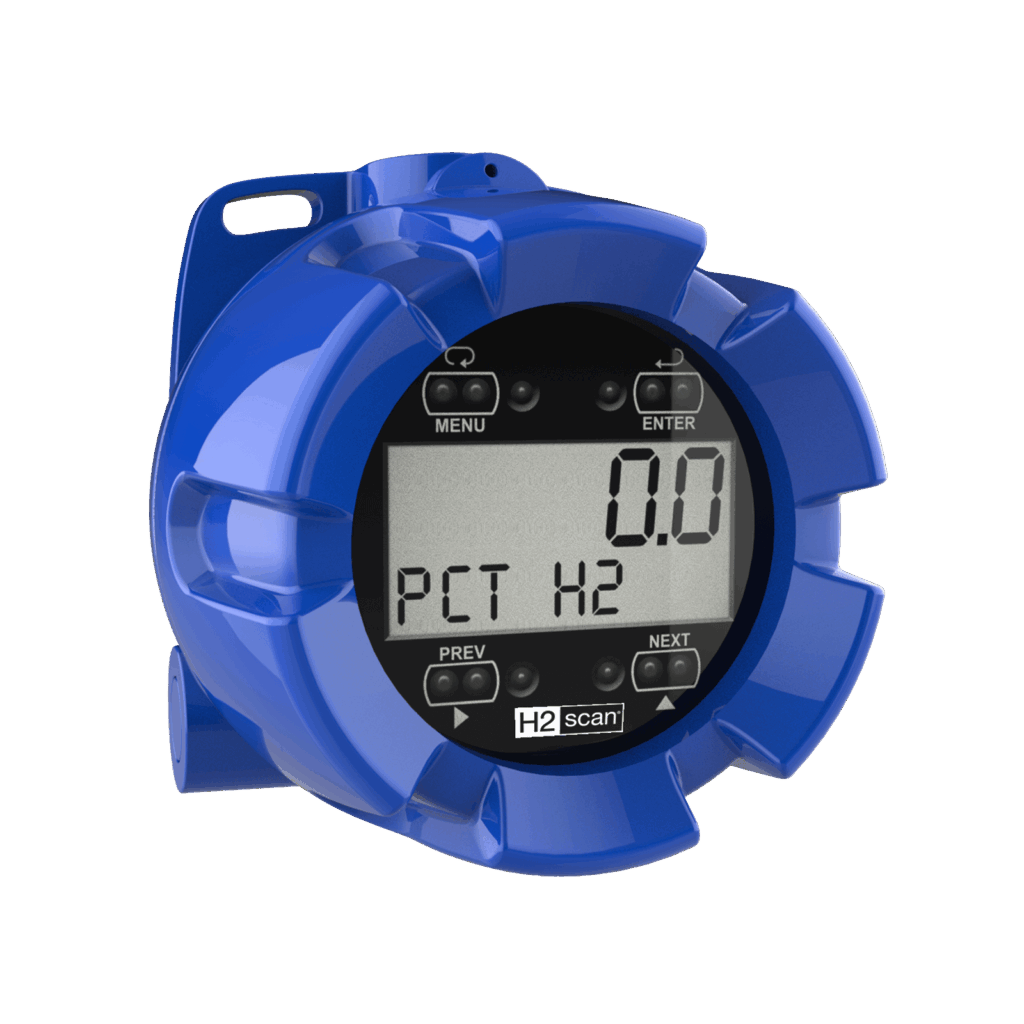
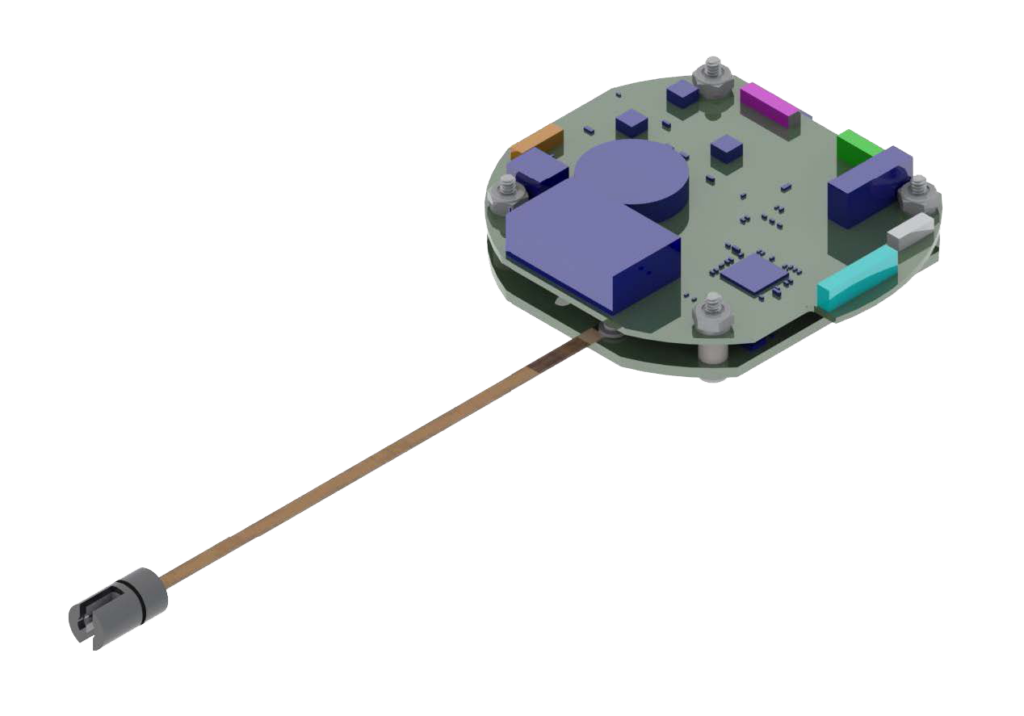
H2scan products are the trusted sensing and data layer behind continuous hydrogen monitoring. Engineered for the field: self-calibrating, no consumables, no planned maintenance required.
Your questions, answered.
All FAQs & Knowledge BaseA. Lithium-ion cells generate hydrogen in the early stages of failure, before heat or smoke appears. H2scan’s solid-state sensors monitor hydrogen continuously at the battery, independent of ventilation assumptions, giving the earliest possible warning of a cell heading toward thermal runaway, in time to act.
A. H2scan measures hydrogen continuously in the process stream and the surrounding area. Inline analysis confirms purity and performance, while area monitoring flags a leak early, both with self-calibrating sensors that use no consumables and hold accuracy where traditional analyzers drift.
A. Data center UPS and battery rooms generate hydrogen as batteries age or fail. Continuous hydrogen monitoring at the battery catches off-gassing before it threatens uptime, independent of ventilation, and integrates with BMS and building systems so facilities teams get warning in time to protect the SLA.
A. A fault can develop between scheduled samples. Continuous monitoring sees hydrogen rise as it happens, giving operators days or weeks of warning that periodic lab sampling misses, and it removes the cost, delay and exposure of manual sampling while feeding live data into your control systems.
A. Hydrogen is an incipient gas generated when many faults begin, so it appears before heat, smoke or visible damage. In transformers, continuous single gas (hydrogen) DGA monitoring can flag an abnormality weeks before failure, giving operators time to plan maintenance and avoid an unplanned outage.
A. H2scan uses hydrogen-specific solid-state sensing: the sensing element responds to hydrogen alone, with low cross-sensitivity to other gases. That keeps the reading trustworthy without frequent recalibration, and the sensors are self-calibrating, use no consumables and need no planned maintenance.
A. Nothing. Hydrogen is colorless and odorless, so a leak gives no warning to the people nearby. That is exactly why continuous hydrogen monitoring matters: a sensor sees the increase that human senses cannot, in time to act.