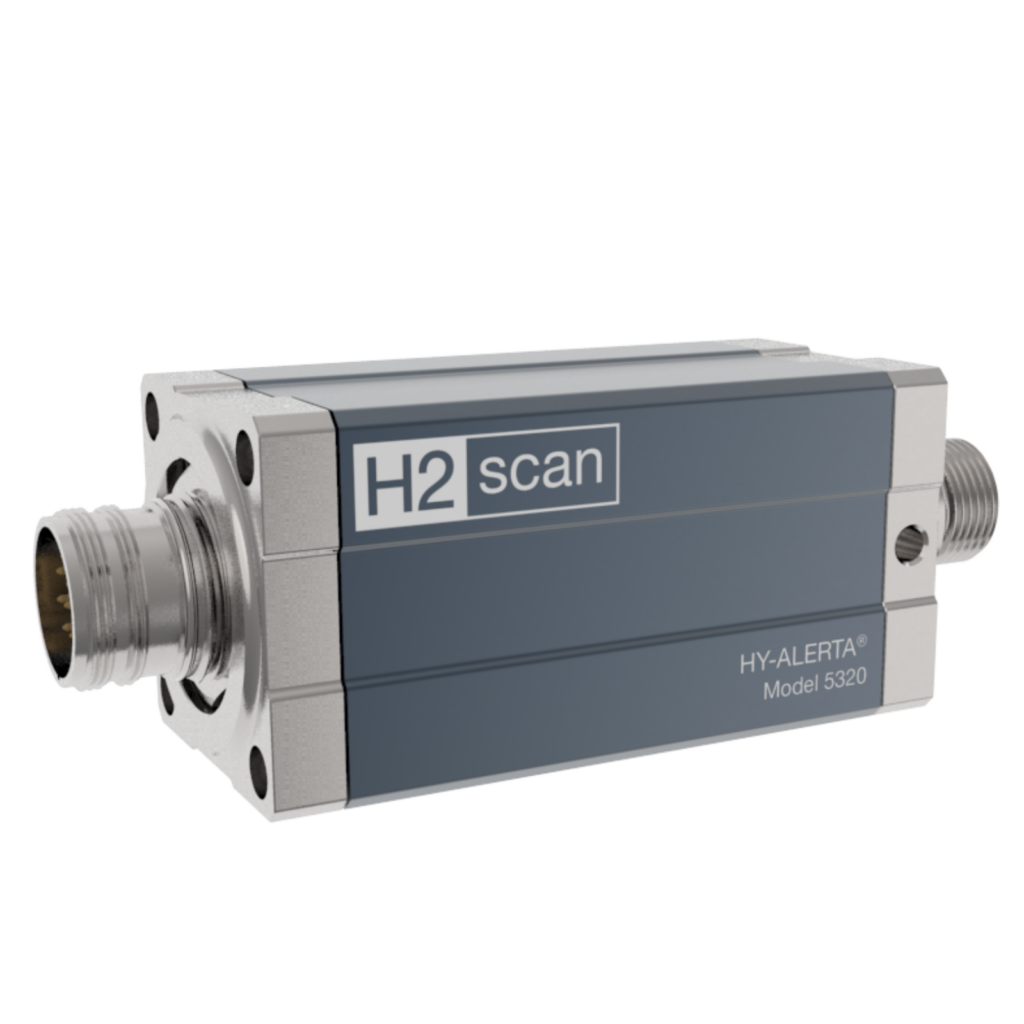
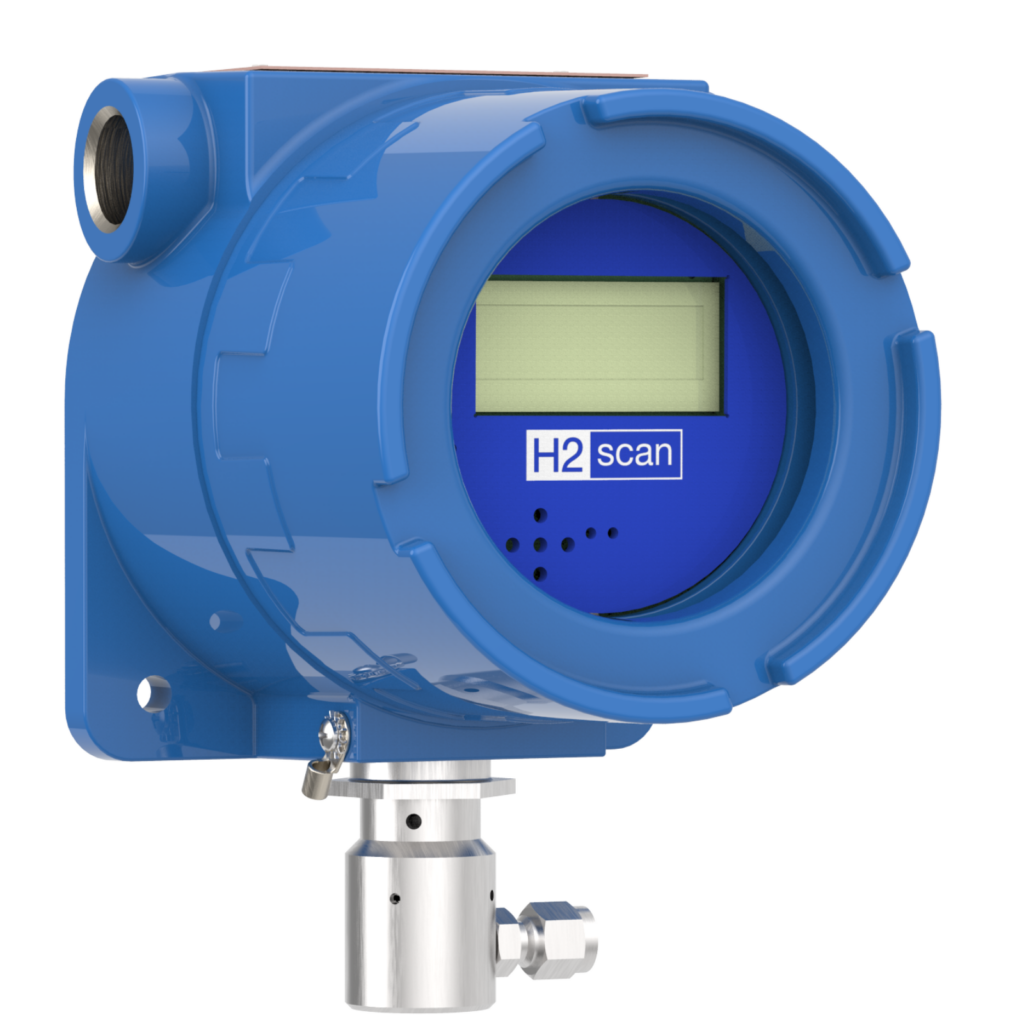
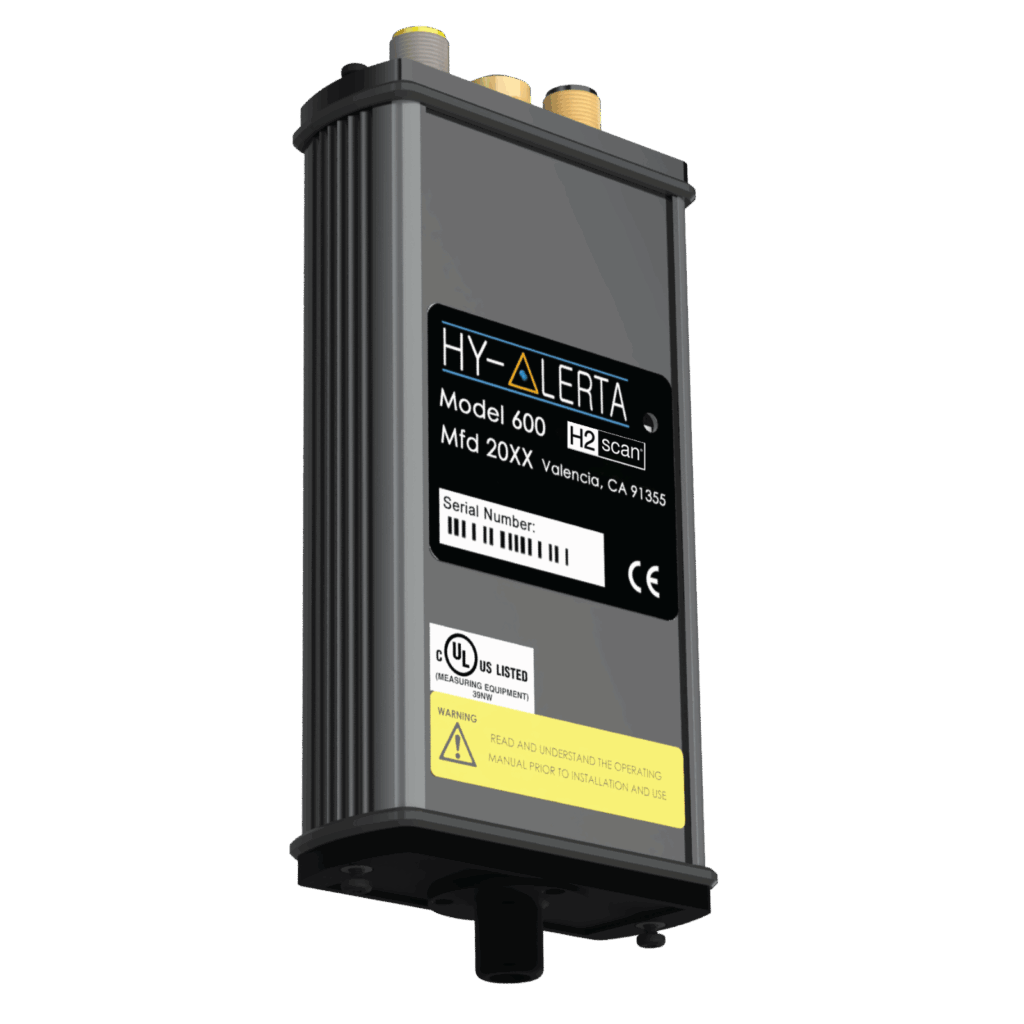
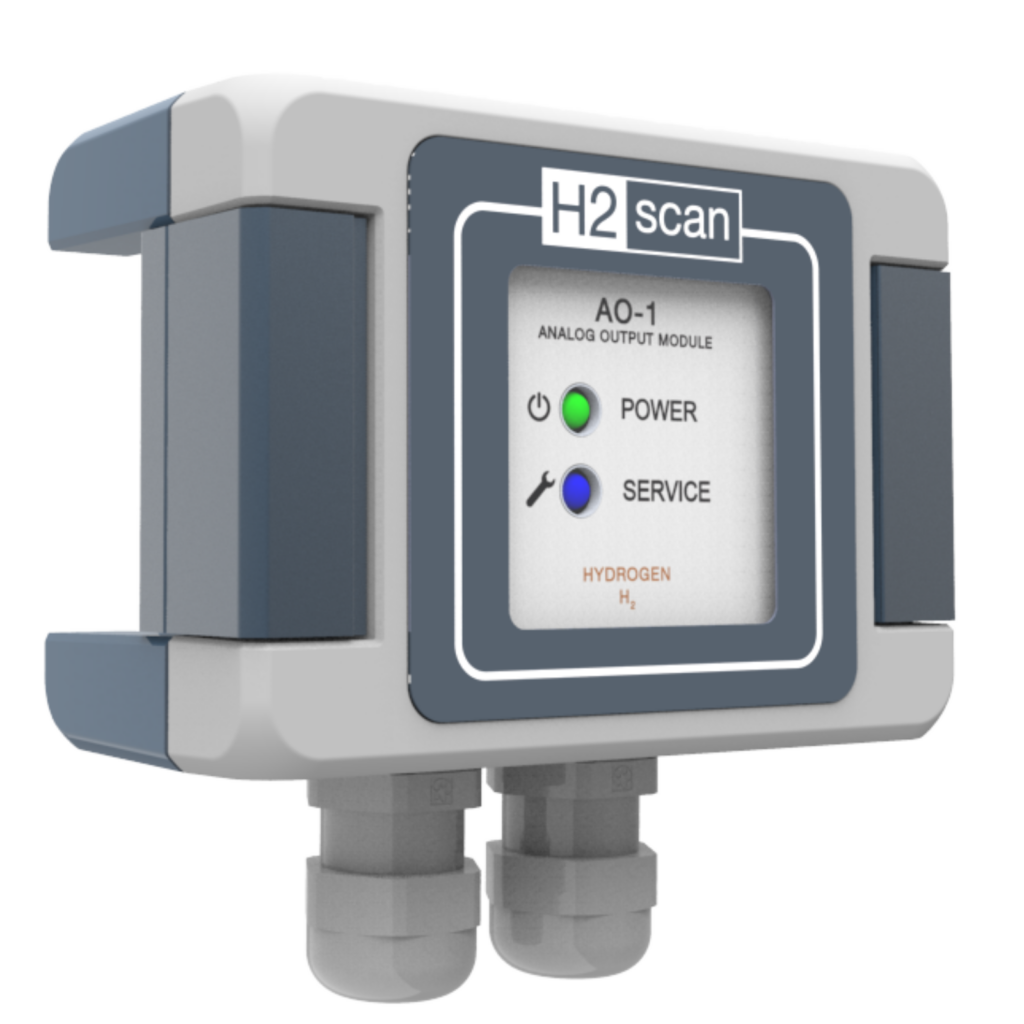
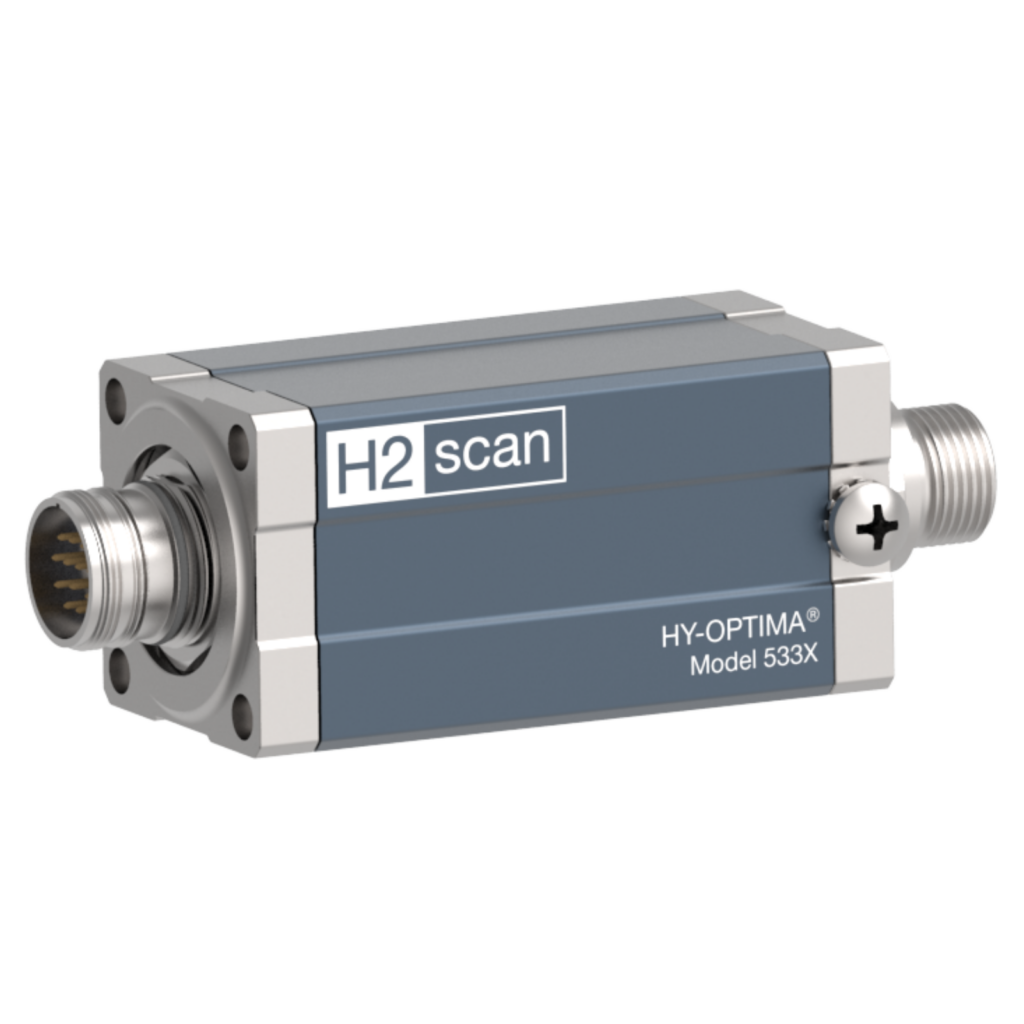
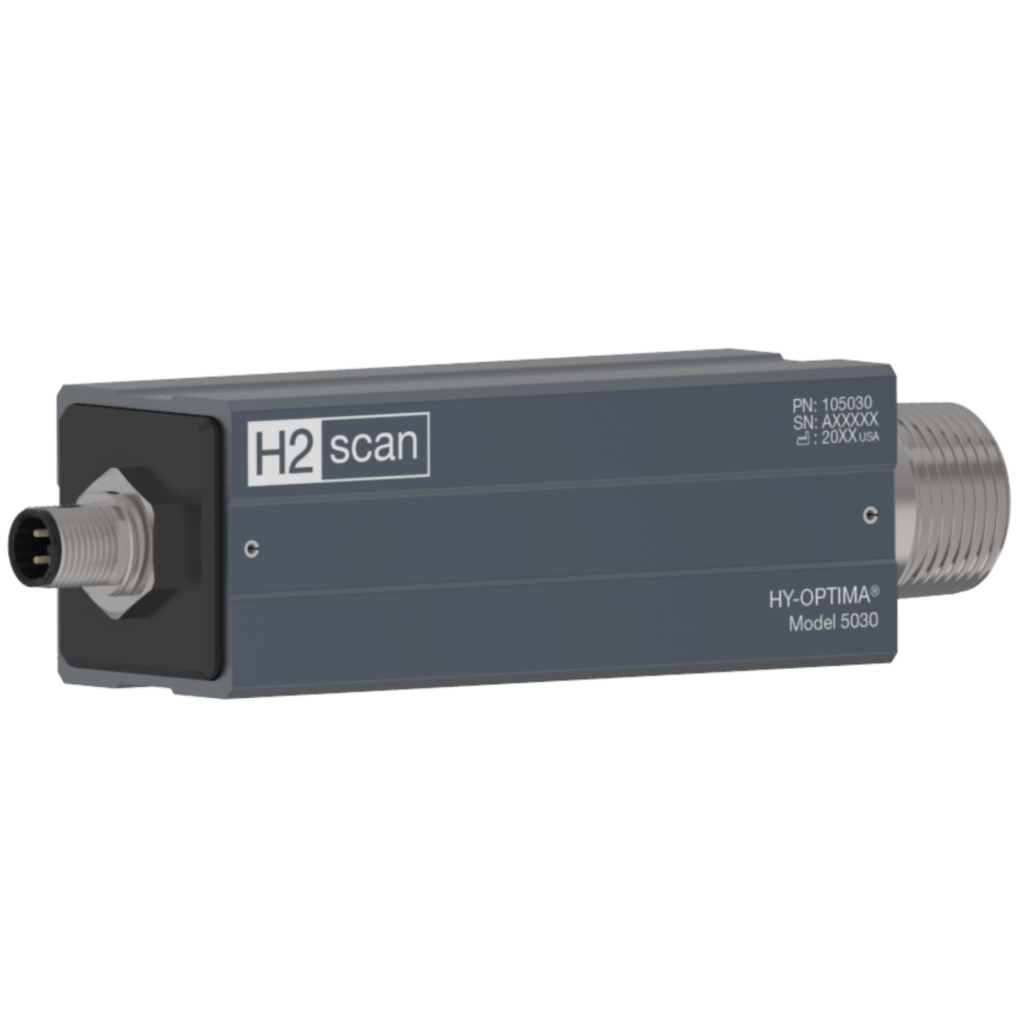
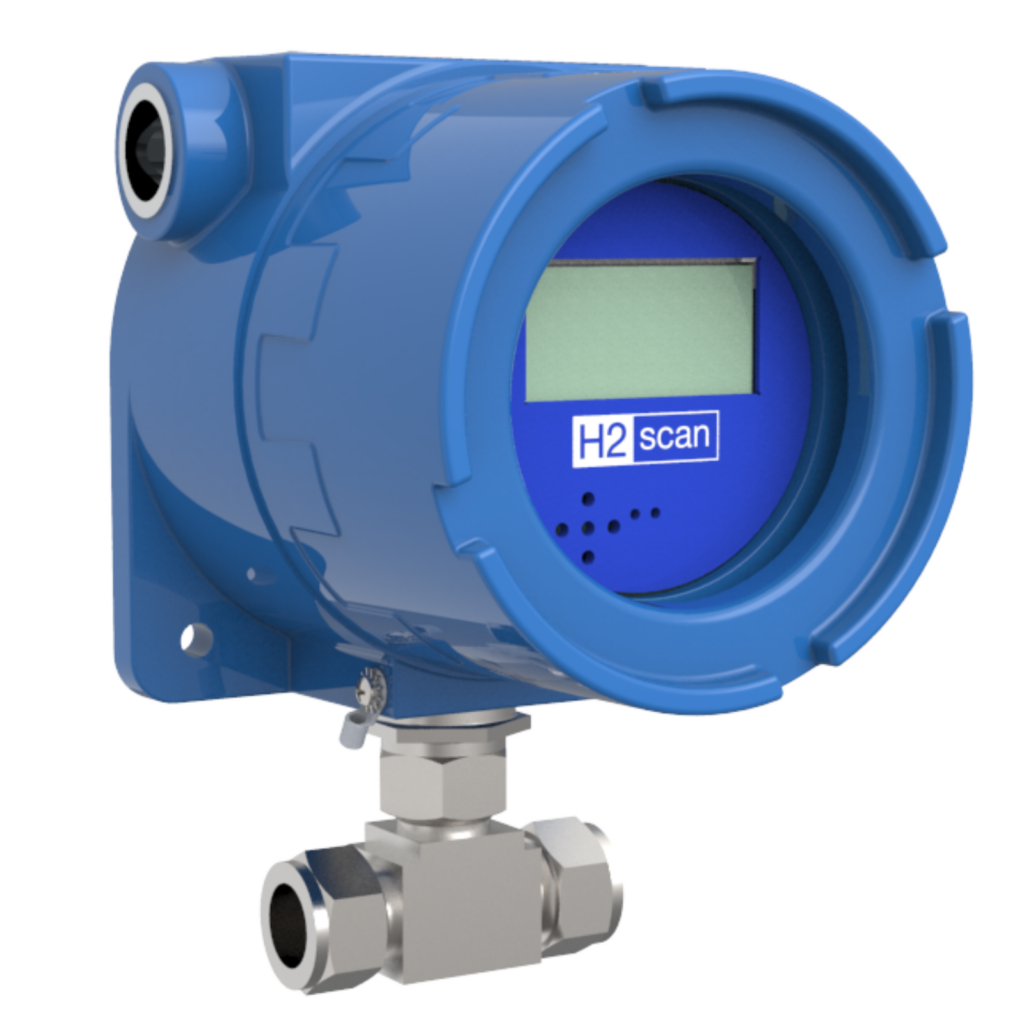
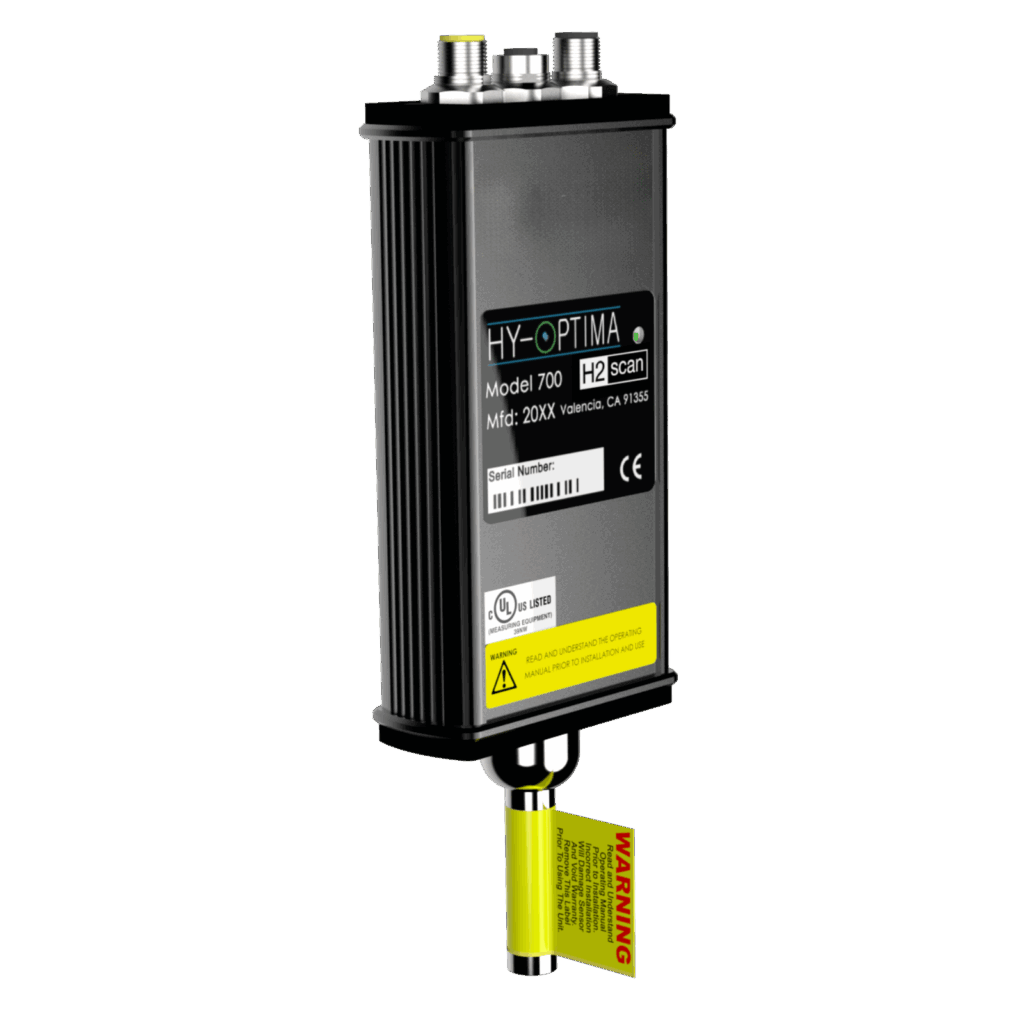
In nuclear facilities, hydrogen accumulates from radiolysis, corrosion reactions and isotope-handling operations — risking flammability, over-pressurization and containment challenges. Monitoring it is hard: low-oxygen or inert atmospheres, elevated temperatures and radiation defeat many conventional sensors through poor sensitivity, electrolyte depletion or drift. H2scan’s solid-state sensors work differently — dissociative adsorption of hydrogen at the sensor surface, with no combustion or consumable mechanism to degrade. They operate reliably across air, nitrogen, helium and even vacuum, and measure deuterium through the same mechanism, supporting safety monitoring and process insight across the fuel cycle.

Air, N2, He, vacuum
reliable across carrier gases where others fail
H2 + deuterium
measured through the same solid-state mechanism
40+ patents
in hydrogen-specific sensing
From a single system to facility-wide coverage, H2scan helps you place reliable monitoring for hydrogen and deuterium and integrate it with your controls.
Decades of hydrogen expertise. 1.3+ billion sensor hours in the field. Self-calibrating, hydrogen-specific solid-state sensing, with experts at your side.
H2scan sensors use dissociative adsorption and atomic diffusion rather than combustion or consumable chemistry, giving exceptional selectivity to hydrogen and deuterium — and no electrolyte to deplete or element to burn out.
That means stable, repeatable measurement over long deployments in oxygen-free, inert and vacuum environments, where sensor replacement is costly and access is hard.
Reliable across air, nitrogen, helium and vacuum.
One mechanism for both isotopes.
Nothing to deplete or burn out over time.
Repeatable measurement where access is hard.
Minimal interference from other gases.
Data across the nuclear fuel cycle.
Share your application and environment and an H2scan expert will scope reliable monitoring.
A. Hydrogen is generated by radiolysis, corrosion reactions and isotope-handling operations. In water-cooled reactors, fuel reprocessing, waste treatment and hot cells it can build up, risking flammability, over-pressurization and containment challenges.
A. With continuous solid-state sensors that work in the inert, low-oxygen and vacuum atmospheres these systems present. H2scan sensors measure reliably where conventional technologies lose sensitivity or drift.
A. Yes. Deuterium interacts with the sensing element through the same dissociative adsorption and diffusion mechanism as hydrogen, so the sensors measure it too — useful for validating performance with a non-radioactive isotope and for tritium-handling readiness.
A. Low-oxygen and inert atmospheres, elevated temperatures and radiation cause poor sensitivity, electrolyte depletion or drift in many technologies. H2scan’s solid-state approach has no combustion or consumable mechanism to degrade.
A. No. They are self-calibrating with no consumables and are stable over long deployments — important where sensor replacement is costly and access is limited.