
Transformer monitoring products
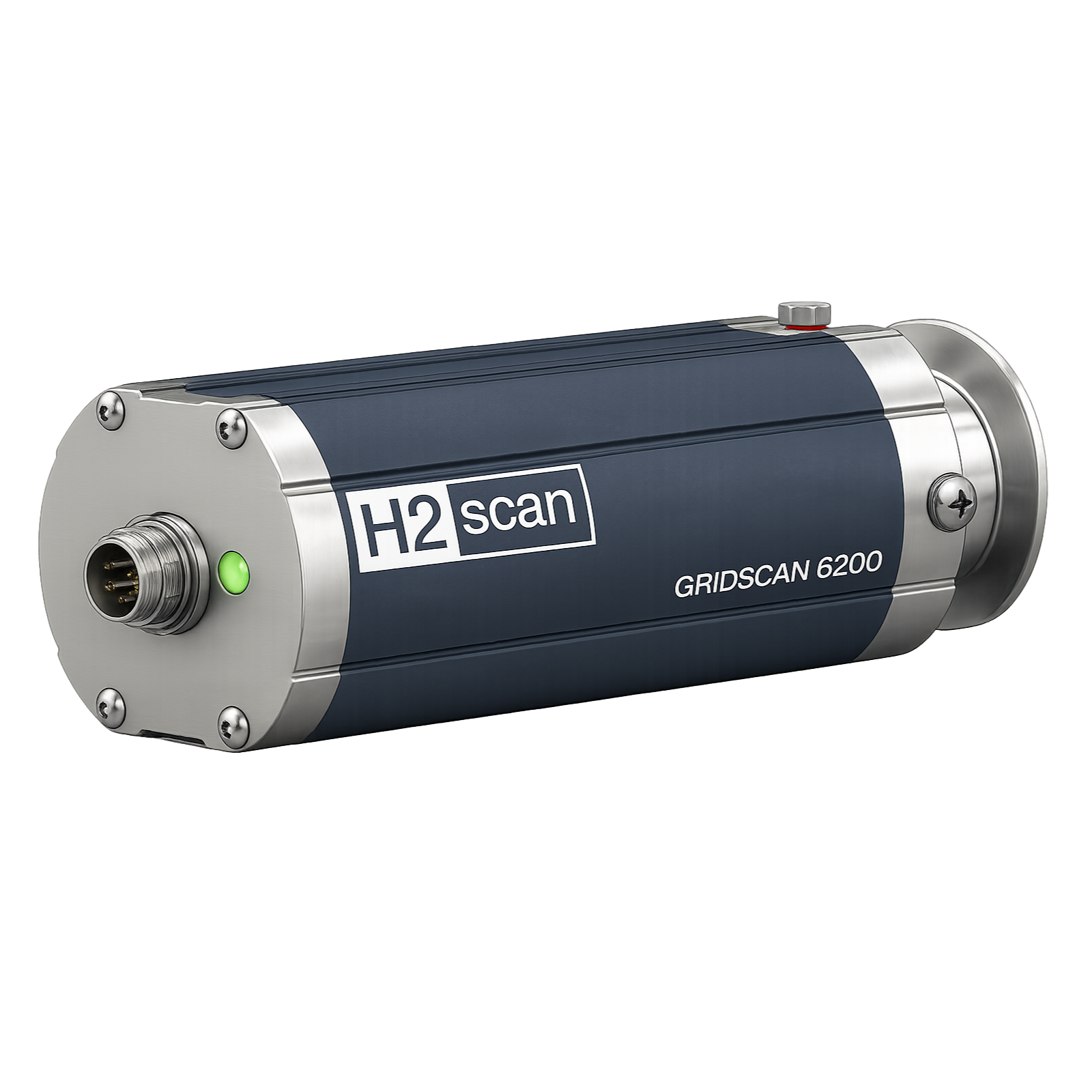
GRIDSCAN® 6200
Multi-Sense Monitor
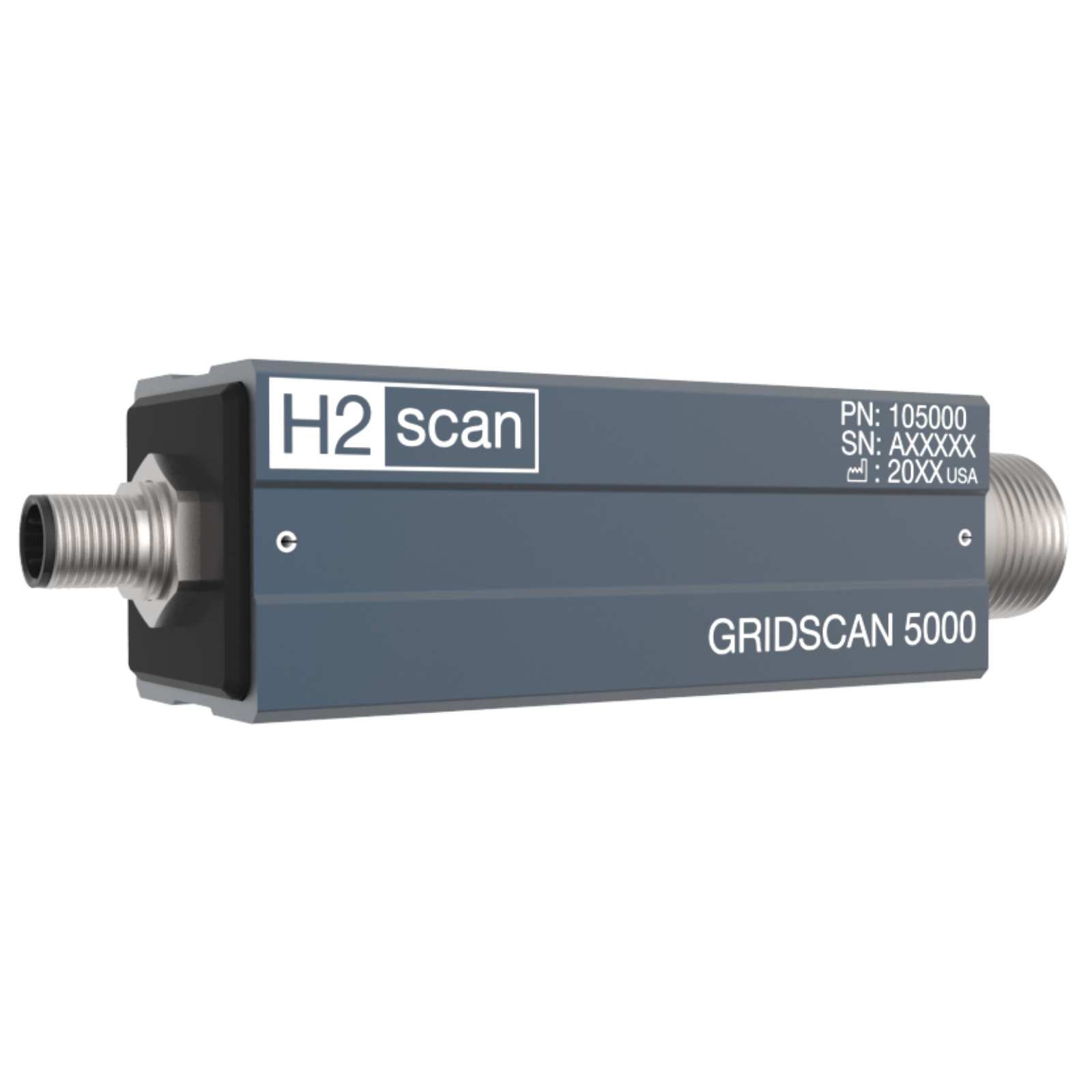
GRIDSCAN® 5000 Series
Hydrogen Sensor
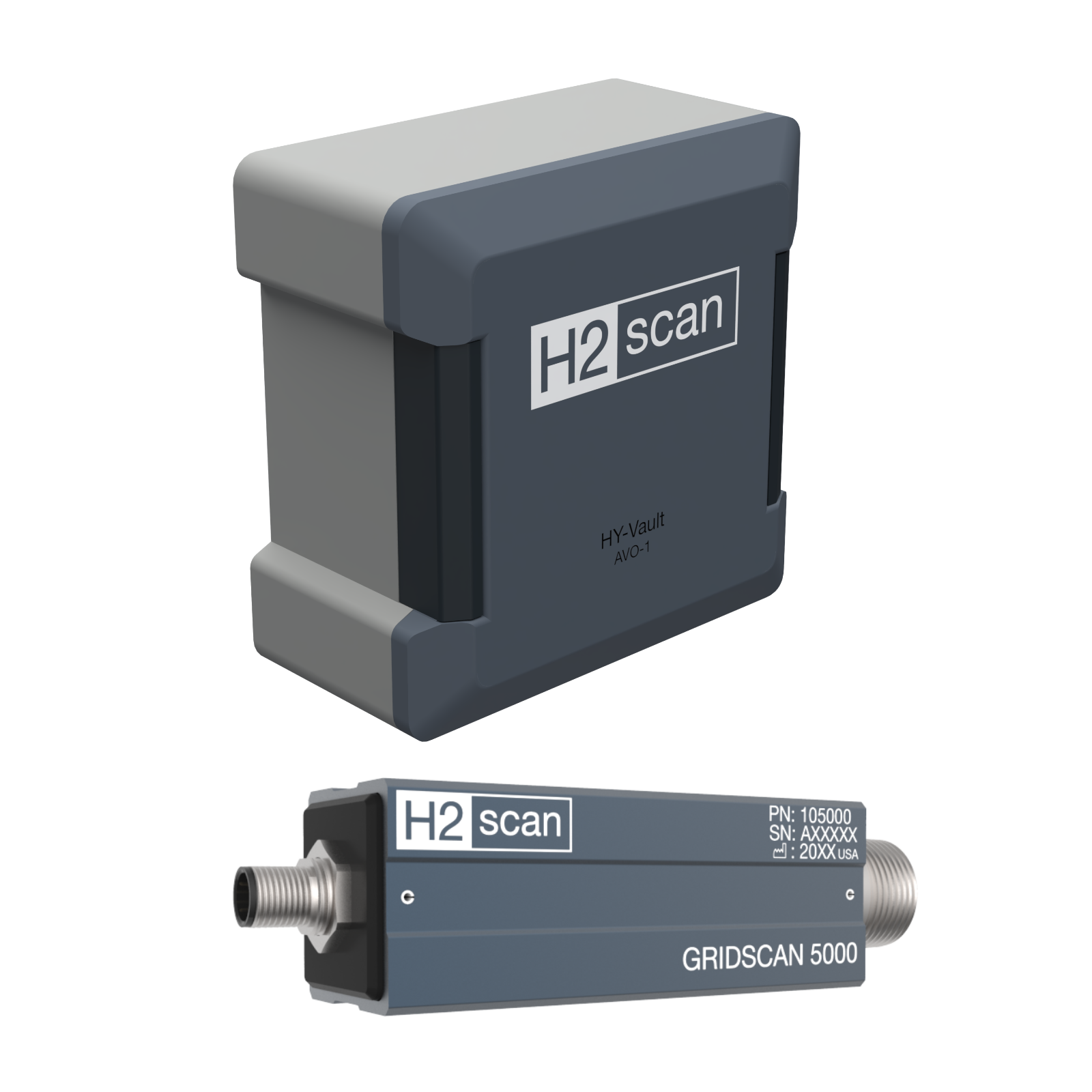
HY-VAULT™
Transformer Monitor
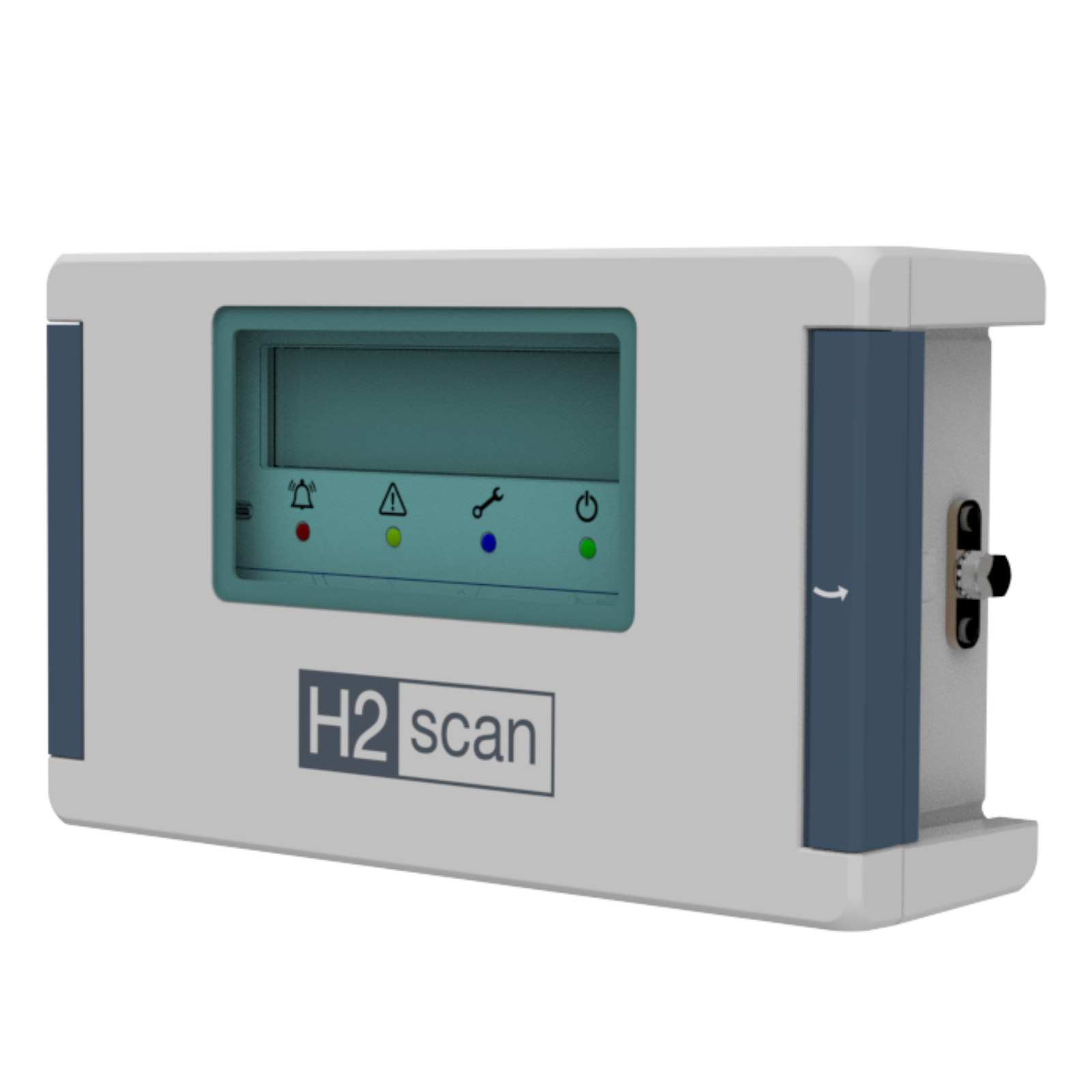
GSAO-2
Control Hub
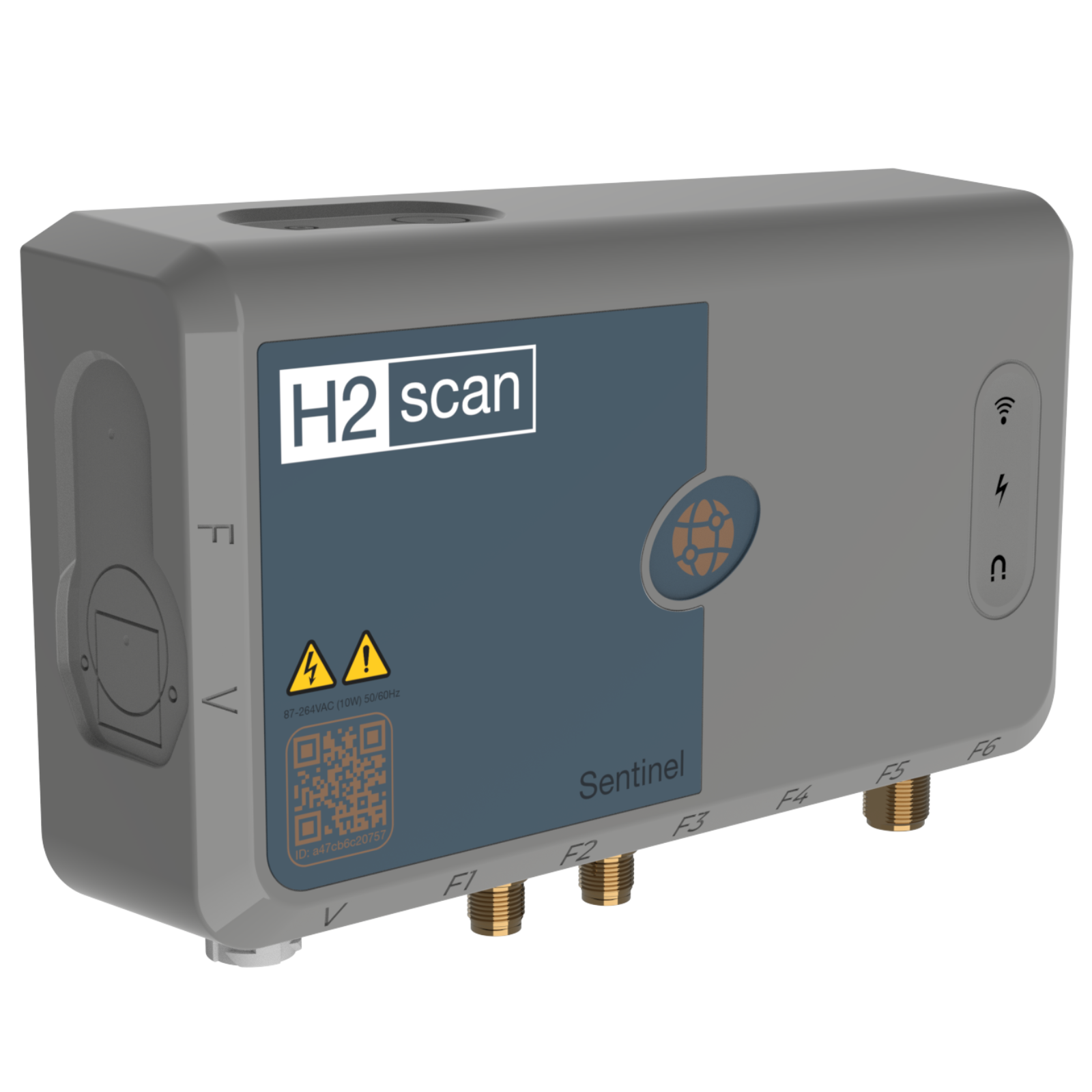
Sentinel® PRO
IoT Monitor
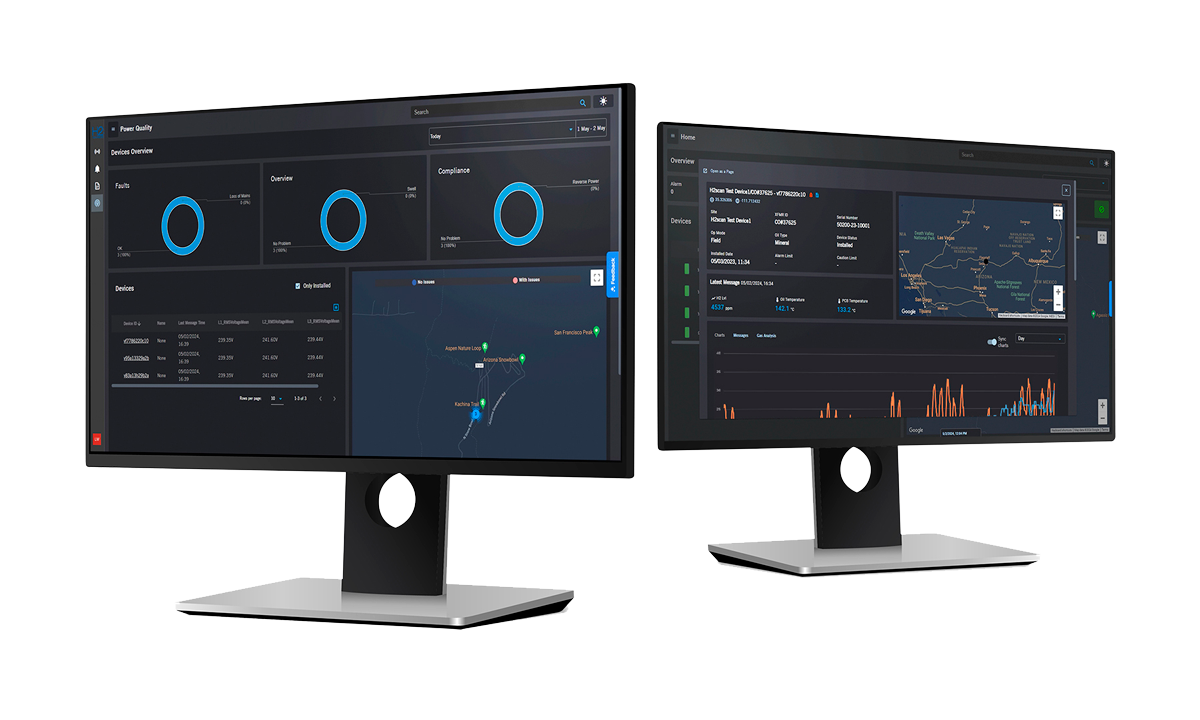
H2cloud™
Fleet Monitoring Platform
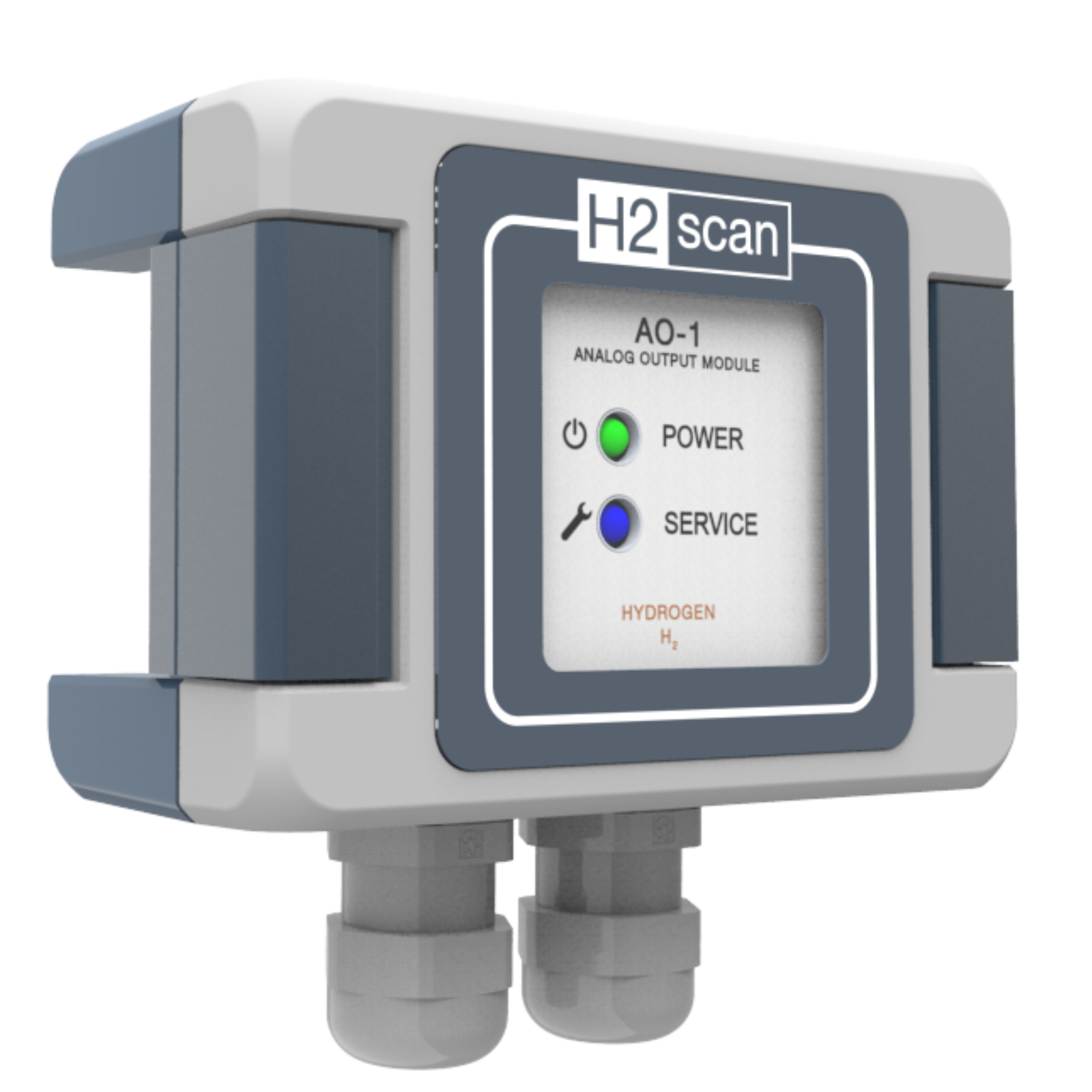
GSAO-1
Analog Output Module
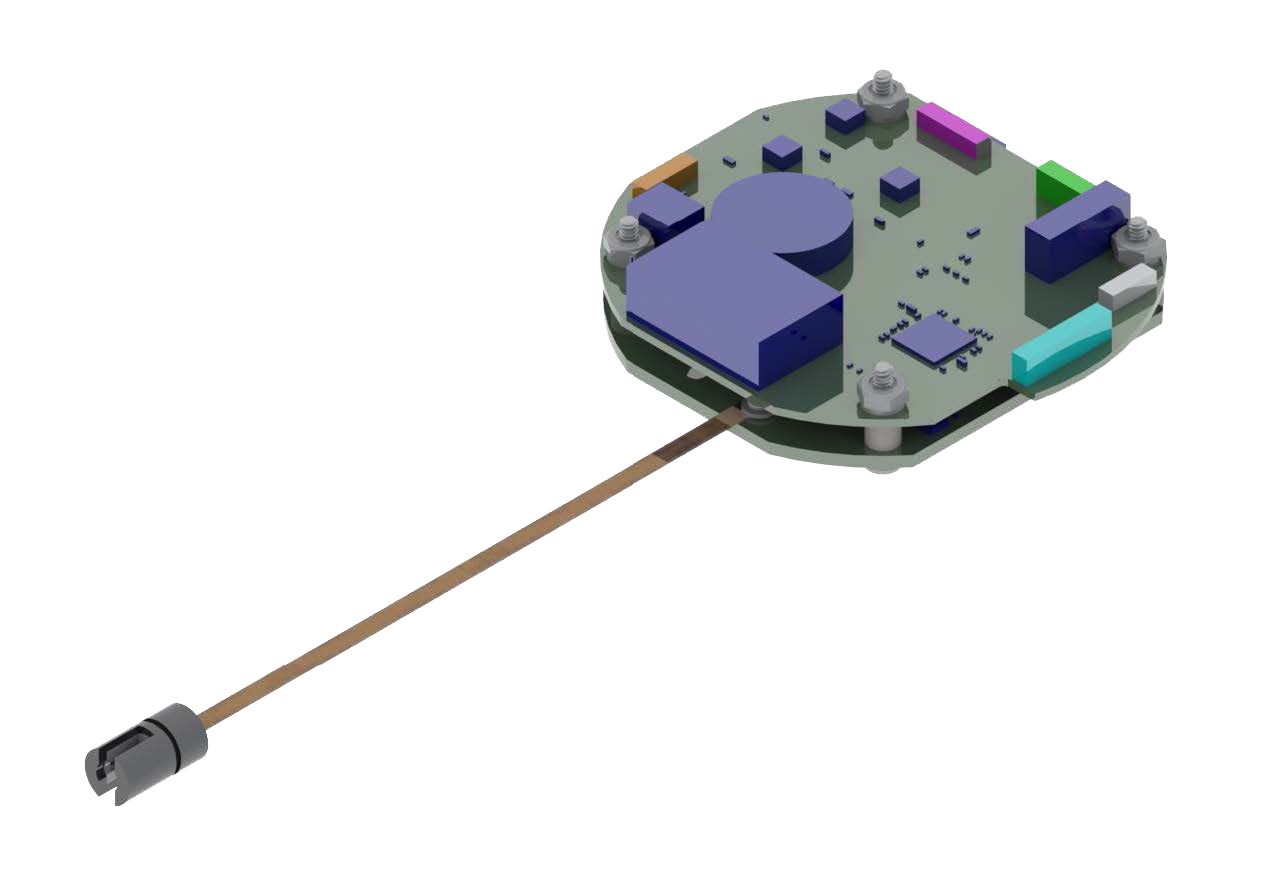
OEM Hydrogen Solutions
OEM Assembly Integration
Frequently asked questions
All FAQs & Knowledge BaseA. A transformer hydrogen sensor is placed at the top valve or a mid or bottom drain valve, depending on whether you are monitoring dissolved hydrogen in the oil or in the gas space (nitrogen blanket). Placement should consider safety, damage risk and oil flow.
A. Hydrogen is the earliest and most universal gas generated when a liquid-filled transformer develops an internal fault — from overheating, partial discharge or arcing — so monitoring it gives the earliest warning of an abnormality.
A. Dissolved gas analysis measures gases in transformer oil as insulation degrades. Single-gas (hydrogen) DGA focuses on hydrogen — the first and most common fault gas — and monitors it continuously, far more often than periodic lab sampling.
A. No. GRIDSCAN sensors are self-calibrating with no consumables and need no calibration or maintenance for up to 10 years, with a 10-year warranty on the sensing element.
A. HY-VAULT pairs the GRIDSCAN® 5000 with the AVO-1 to monitor underground network transformers continuously, where periodic manual sampling is logistically hard and unsafe.