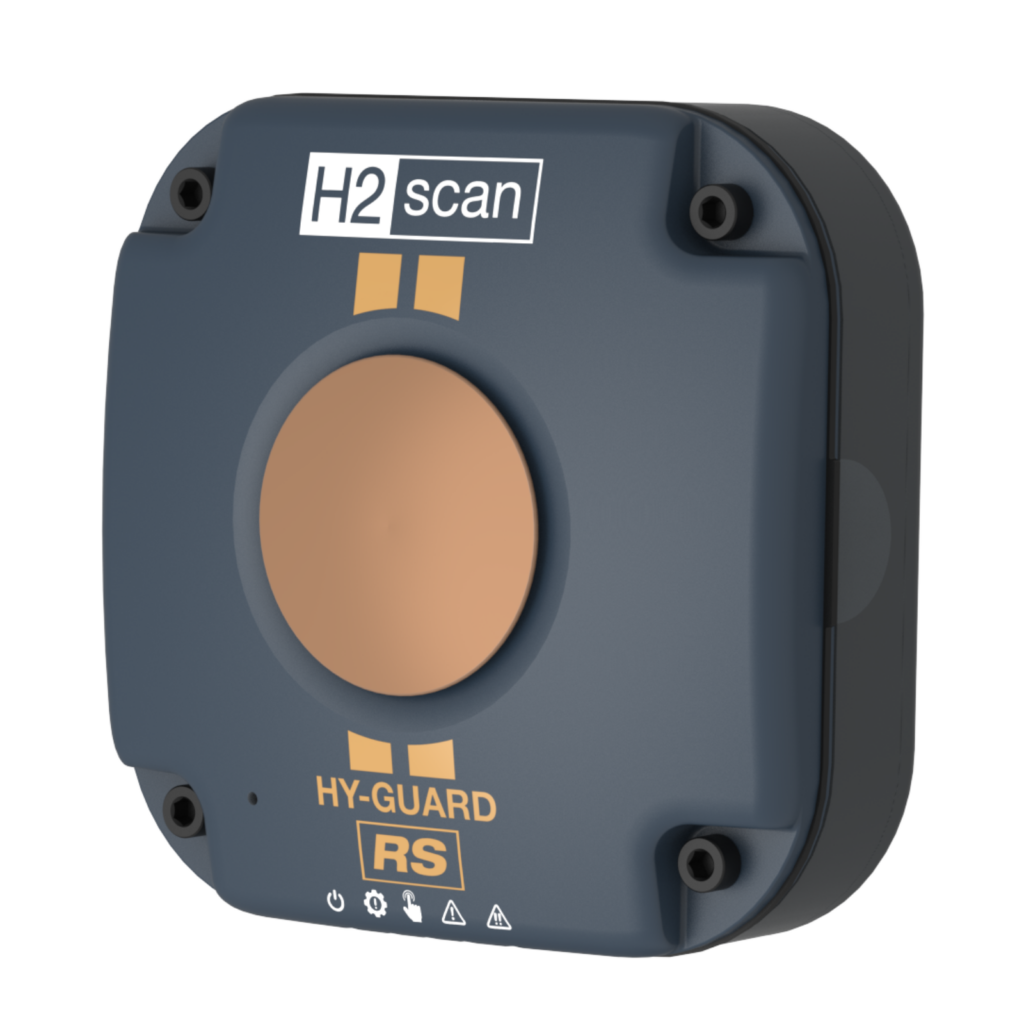
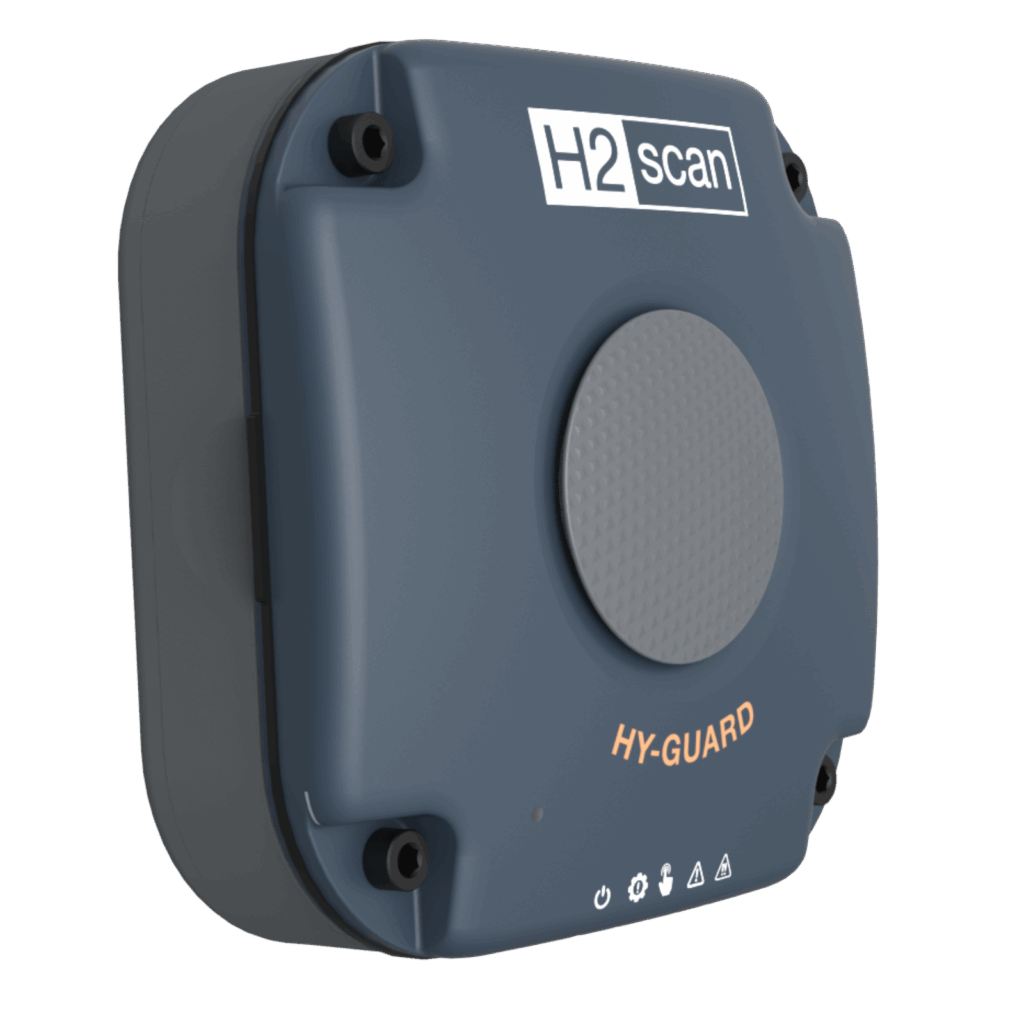
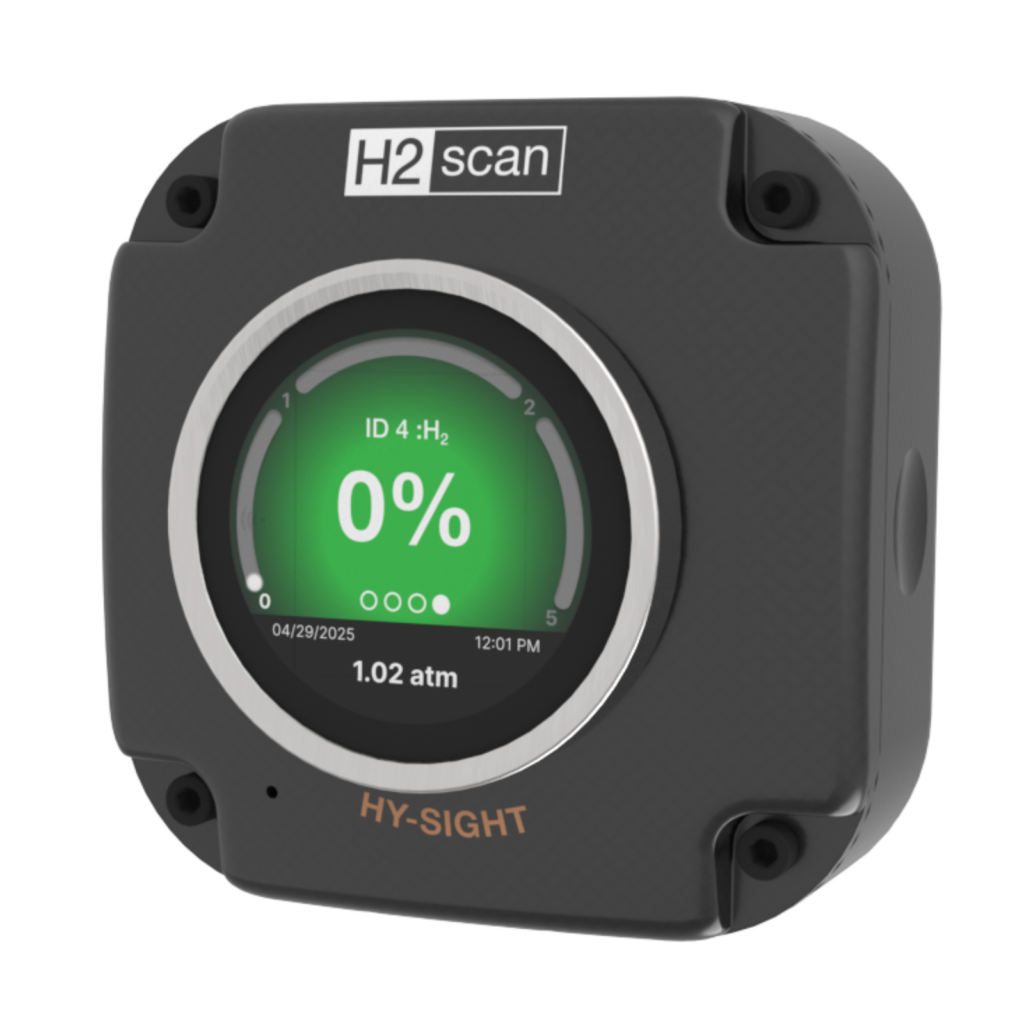
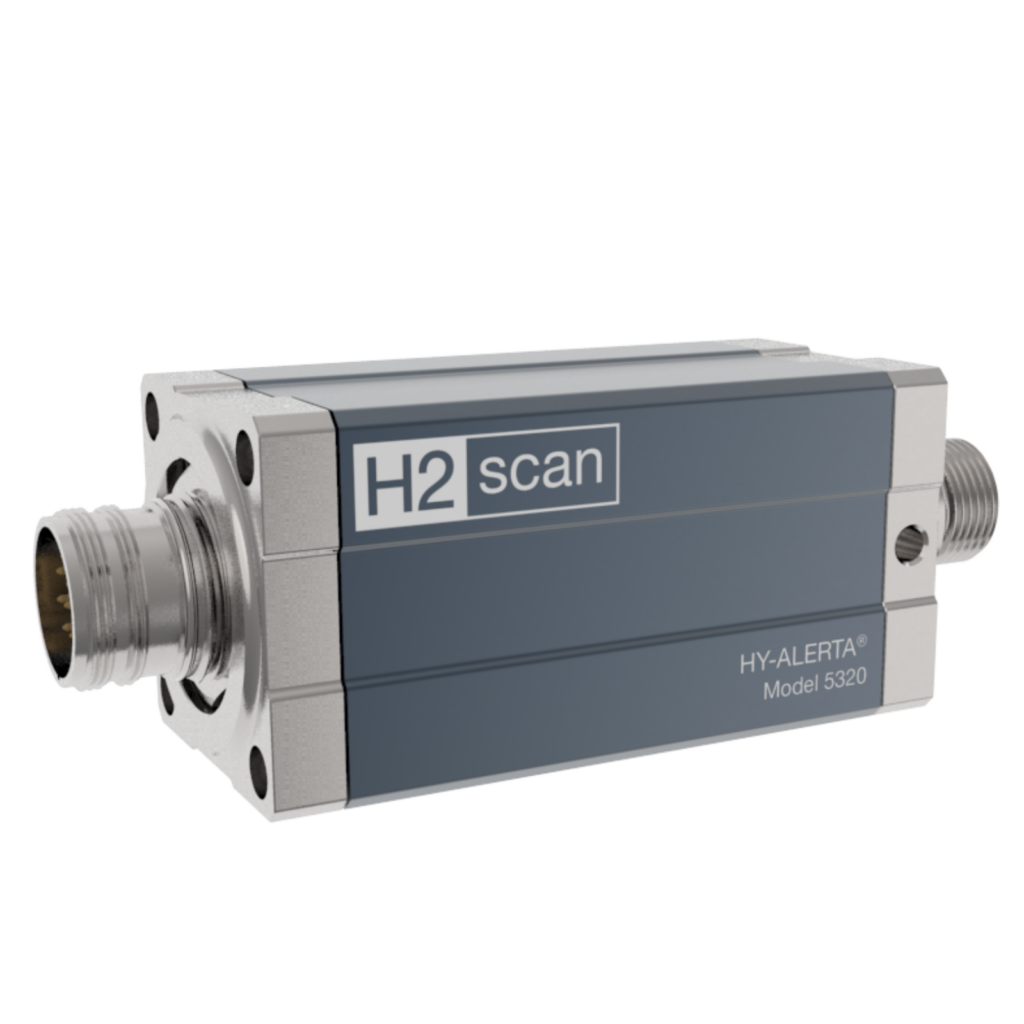
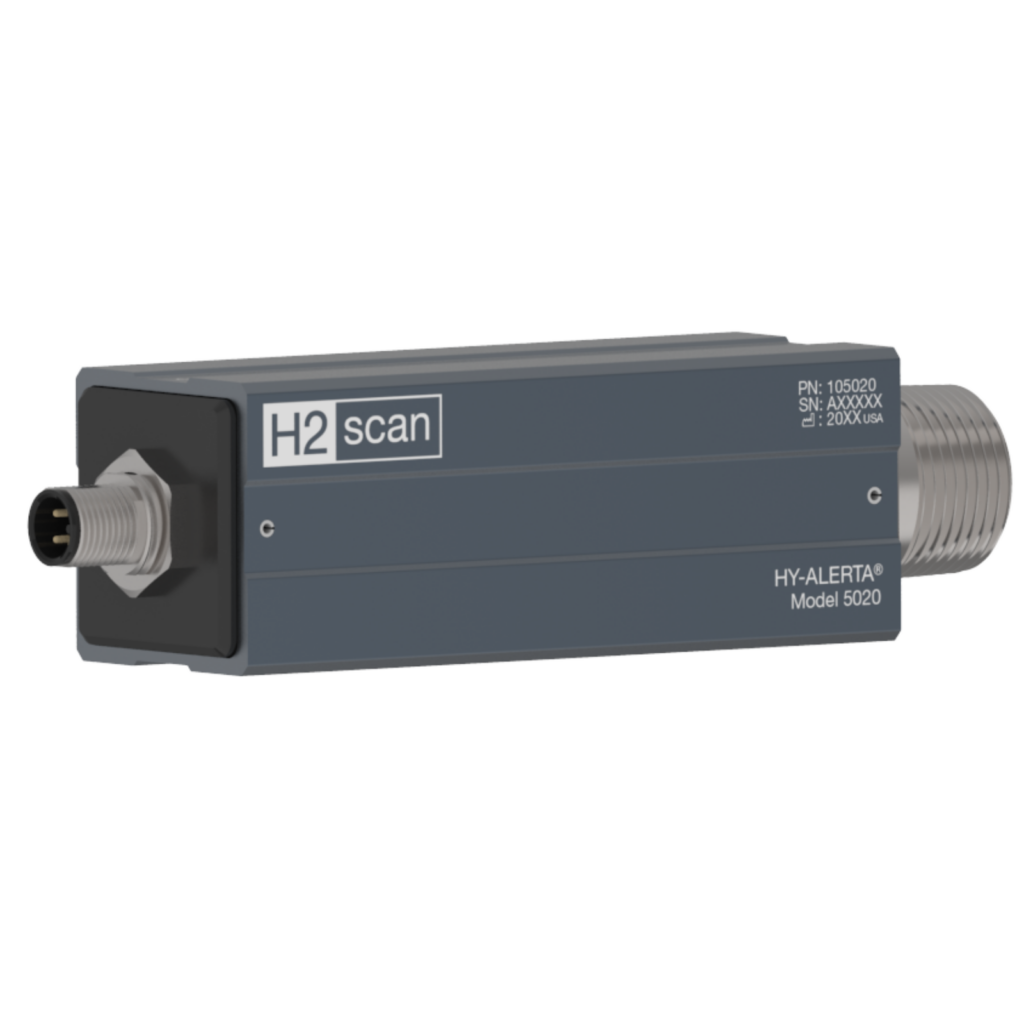
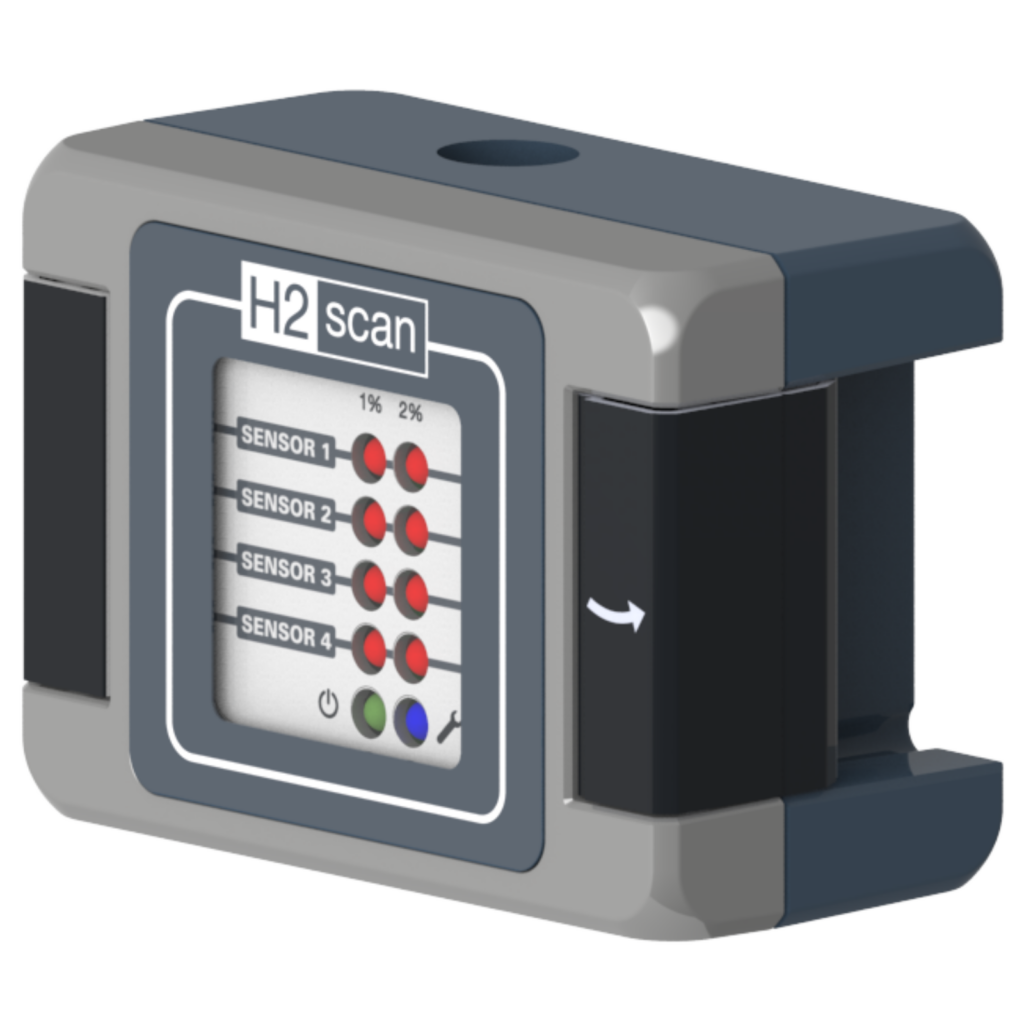
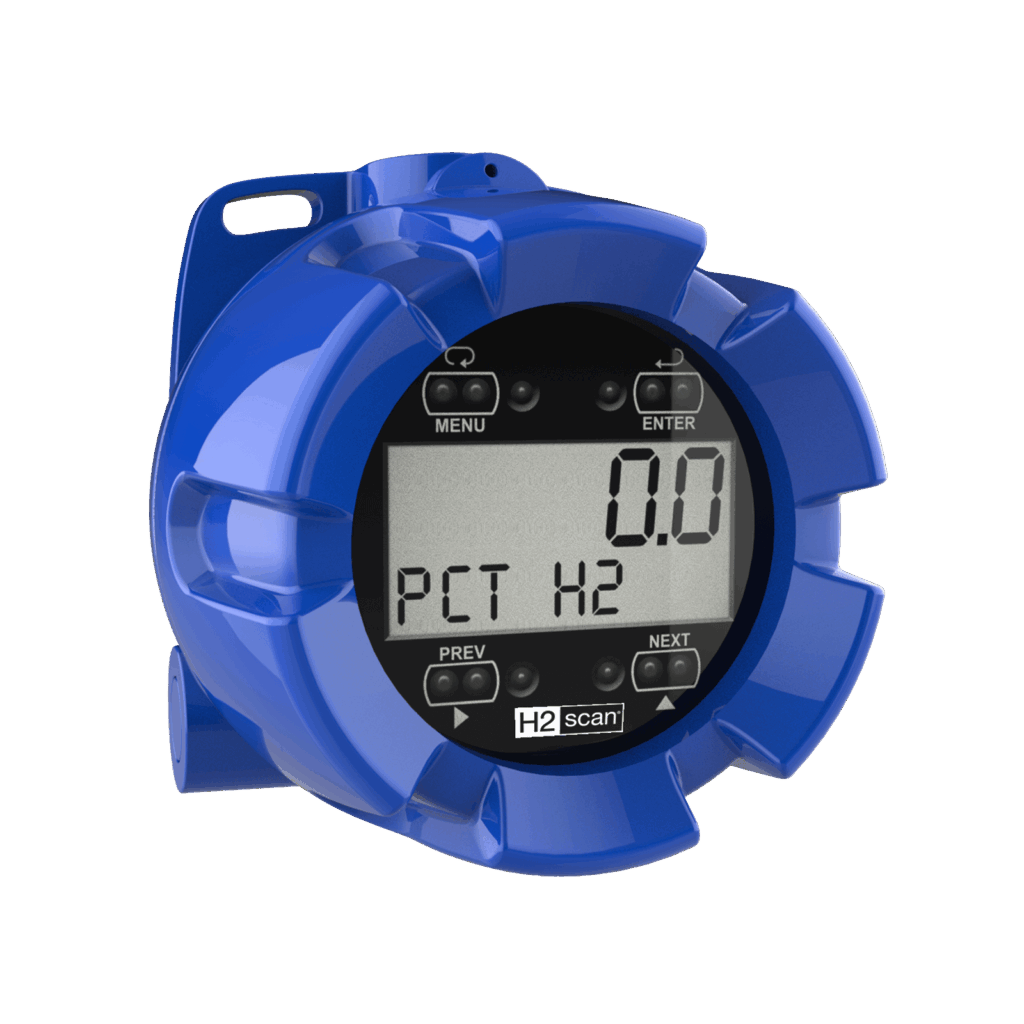
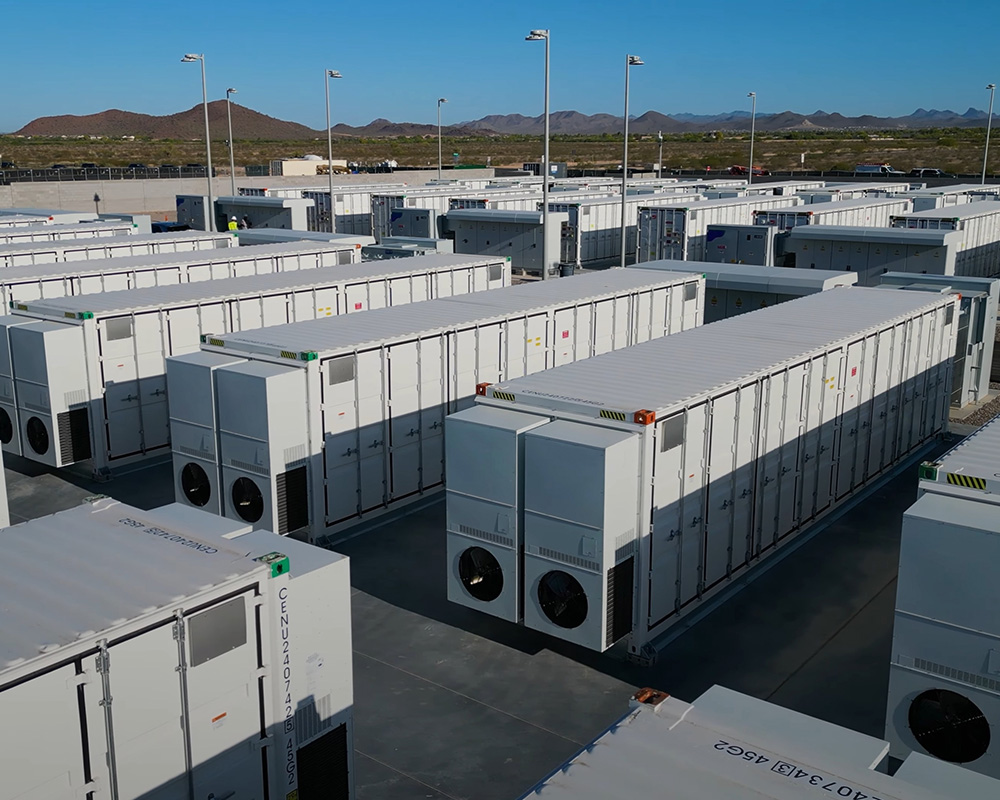
Lead-acid batteries generate hydrogen as they charge, age and fail. In certain conditions left undetected, it can accumulate toward the lower flammability limit — and in lithium-ion systems, off-gassing is one of the earliest signs of a cell heading for thermal runaway. In all battery chemistries, NFPA 855 requires ventilation to keep hydrogen below 25% of its lower flammability limit (hydrogen’s LEL is 4% by volume). H2scan monitors hydrogen continuously giving operators the earliest possible warning — in time to act before downtime or explosion.
H2 LFL 4%
the threshold NFPA 855 and NFPA 69 requires
Continuous
monitoring with self-calibration
Decades
of solid-state hydrogen-sensing expertise
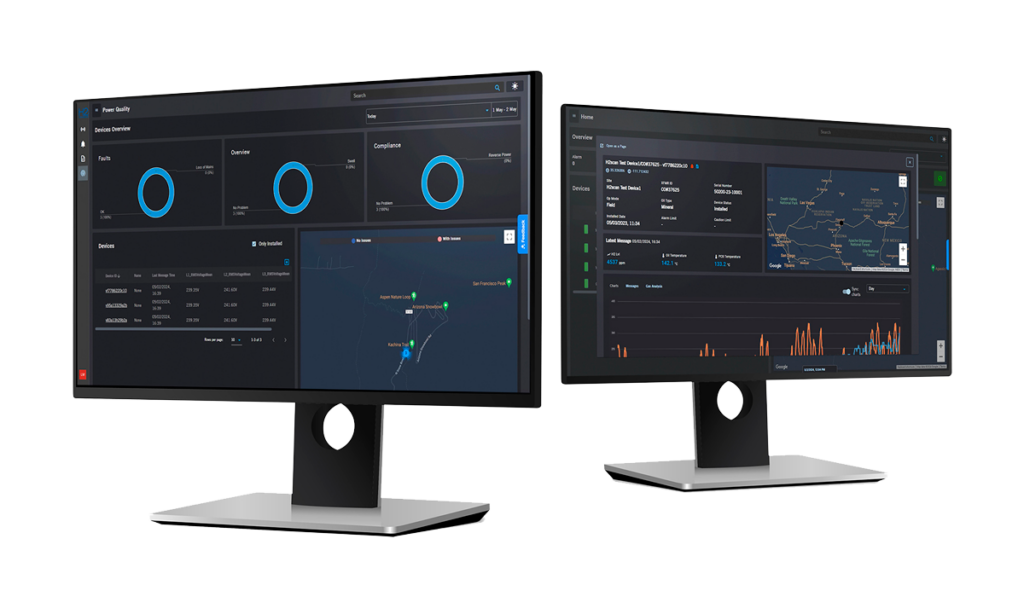
From a single battery room to a portfolio of BESS sites, H2scan helps you meet codes and standards, and integrate monitoring with your building management system (BMS) or Energy Storage Management System (ESMS)s.
Decades of hydrogen expertise. 1.3+ billion sensor hours in the field. Self-calibrating, hydrogen-specific solid-state sensing, with experts at your side.
Most sensors can only report relative change and can’t tell you a real event from drift. It has to be tuned conservatively, which means slower response or more false alarms. H2scan measures calibrated and absolute hydrogen concentration, so operations receive data they can trust and act on immediately.
H2scan’s solid-state sensors are self-calibrating with no consumables to meets NFPA 855 and IFC expectations without adding a maintenance burden.
Detect off-gassing before heat or smoke — the first sign a problem.
Continuous hydrogen monitoring that supports code compliance for standby power and energy storage.
Absolute concentration readings, not relative change, so alarms mean something
Head off explosions and downtime across battery rooms and BESS.
Feed alarms and data into building management and energy storage monitoring systems.
Self-calibrating, long-service-life sensors that don’t add a service burden.
Share your battery rooms or BESS applications and an H2scan expert will scope compliant monitoring and a deployment plan.
A. Lead-acid and lithium-ion batteries generate hydrogen during charging and faults. Codes such as NFPA 855 require it to be kept well below flammable levels, and continuous hydrogen detection is the most direct way to confirm that and get early warning.
A. NFPA 855 requires ventilation to keep hydrogen below 25% of its lower flammability limit. Hydrogen’s LFL is 4% by volume, so the design threshold is around 1%. Continuous monitoring at the battery confirms concentrations stay safe.
A. Hydrogen is among the earliest gases released as a lithium-ion cell begins to fail, often before heat or smoke. Monitoring for it directly gives the earliest possible warning of a cell heading toward thermal runaway.
A. Ventilation assumes the system is working and the air is evenly mixed. Monitoring hydrogen at the battery sees the rise where it starts, independent of those assumptions, for the earliest and most reliable warning.
A. Yes. H2scan area monitors provide alarms and outputs that integrate with battery and building management systems, so the right people are warned in time to act.