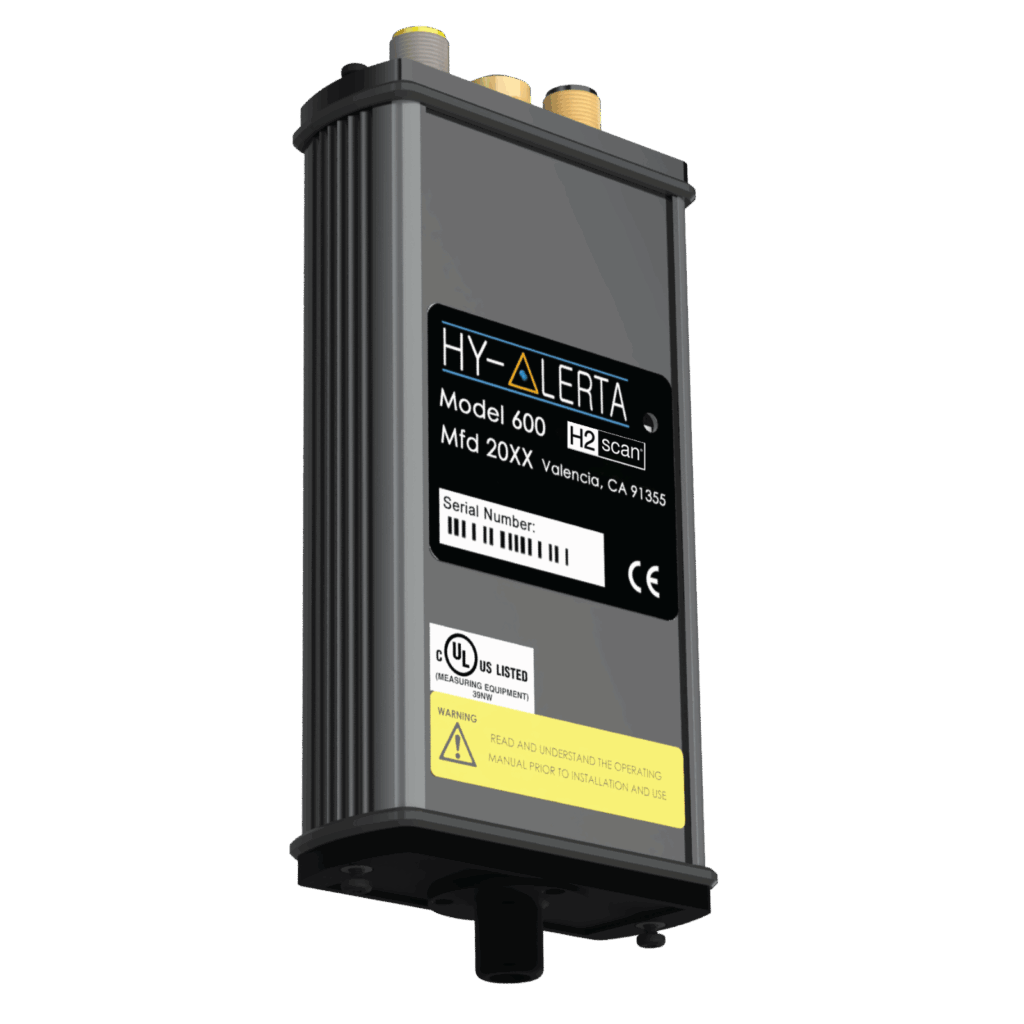
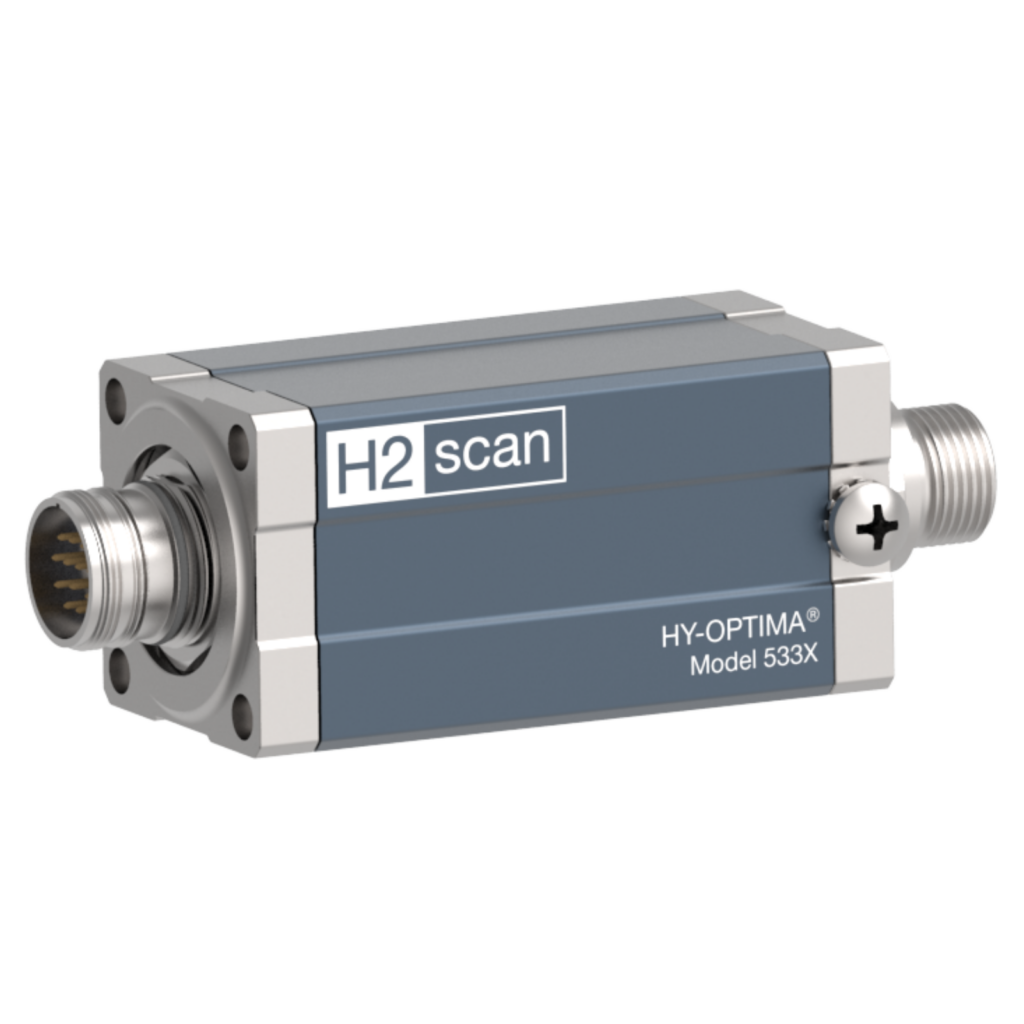
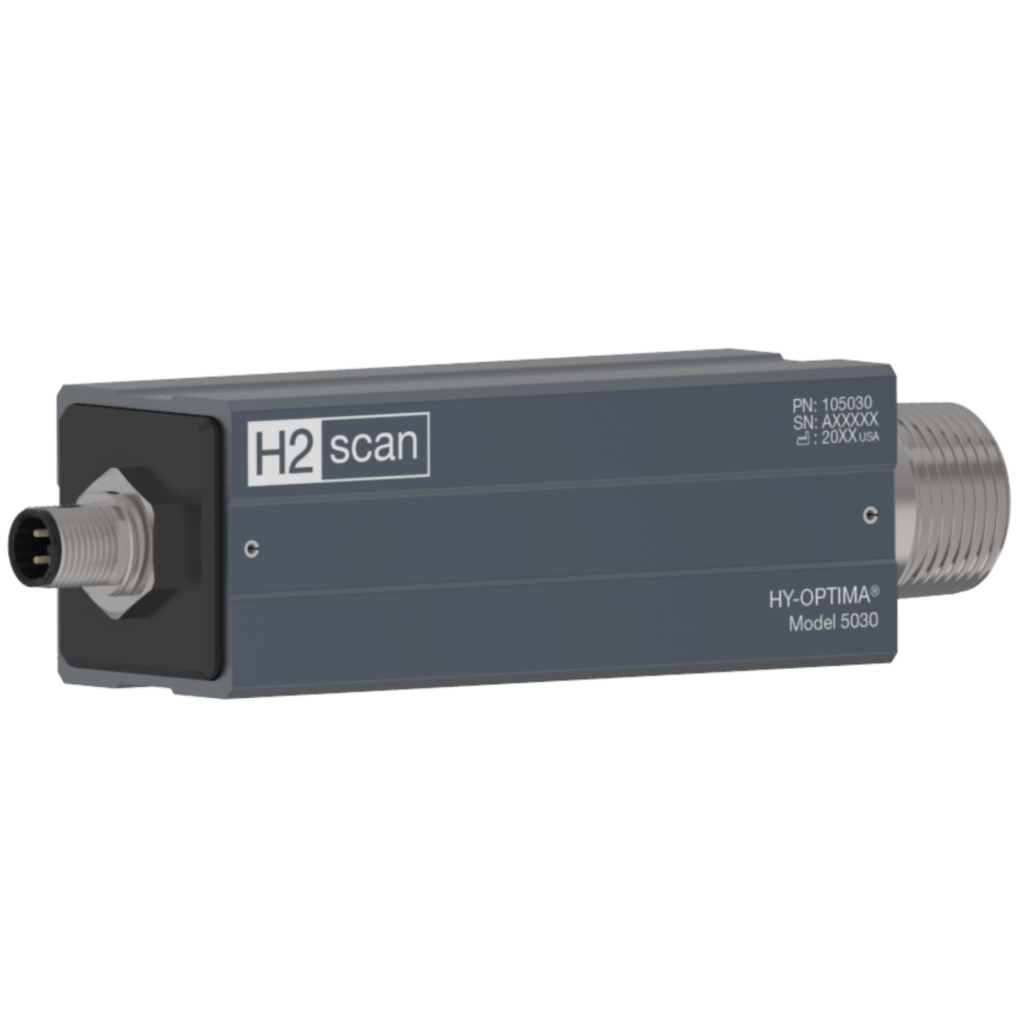
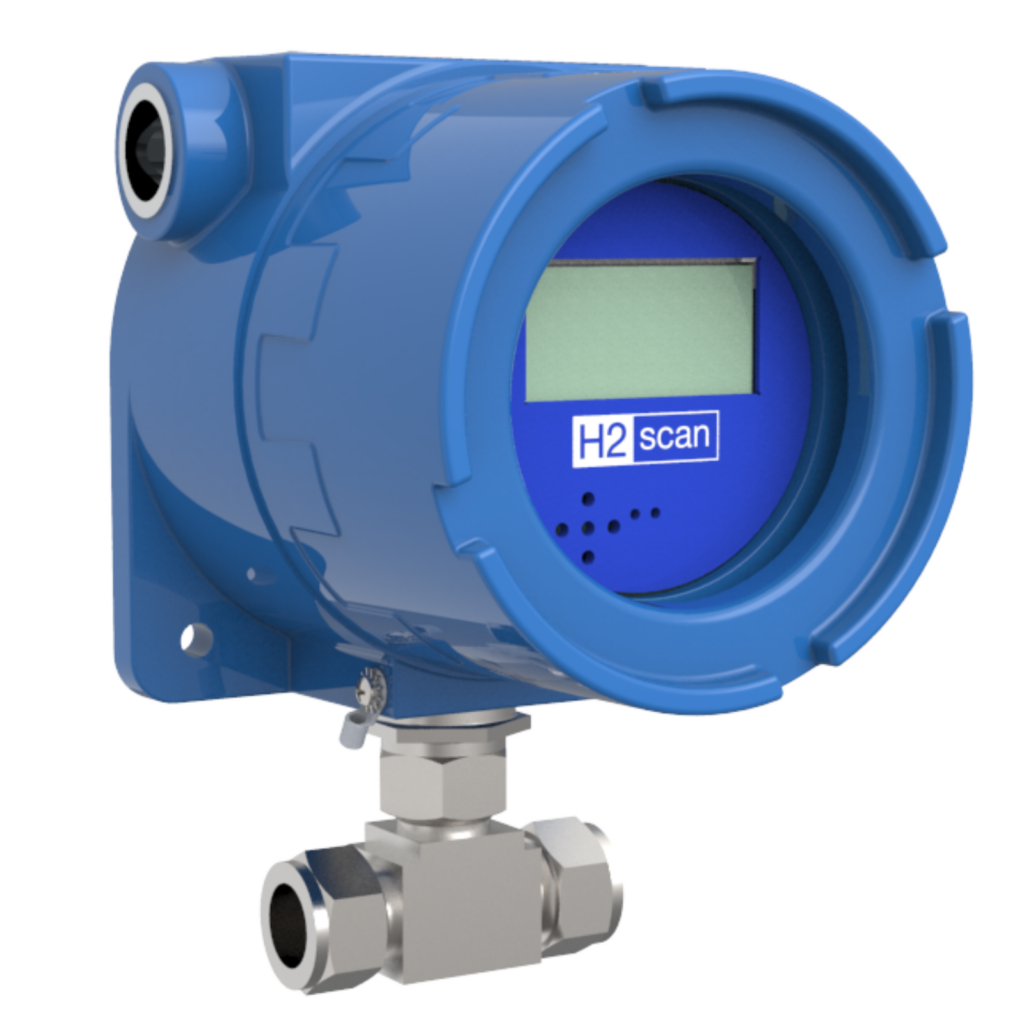
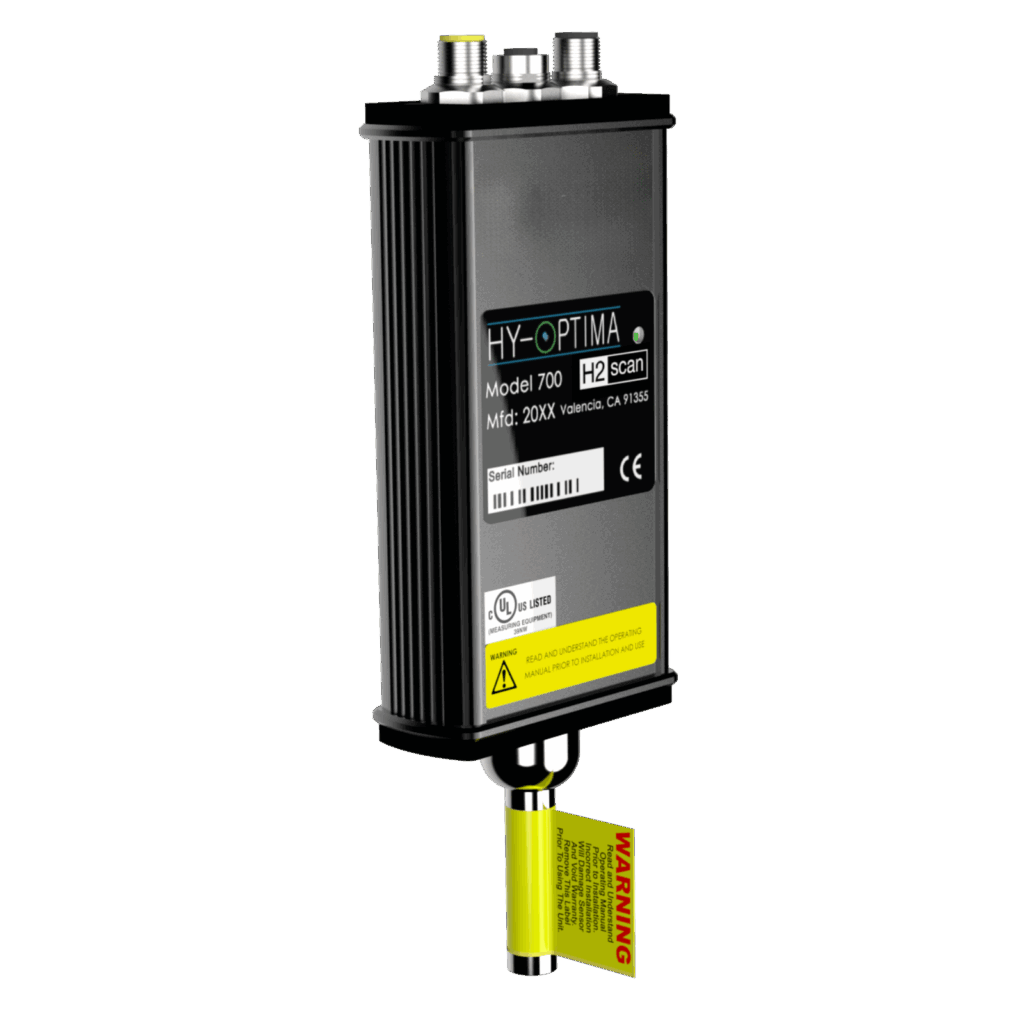
Forklift charging rooms, marine battery and engine spaces and automotive facilities all concentrate hydrogen where people work. Lead-acid charging in particular off-gases hydrogen, and OSHA guidance calls for it to be controlled. In enclosed and mobile environments, that hydrogen can accumulate quickly. H2scan monitors it continuously, triggering a response before concentrations approach flammable levels — with rugged, self-calibrating sensing that keeps working in the vibration, humidity and salt these environments bring, without consumables or routine calibration.
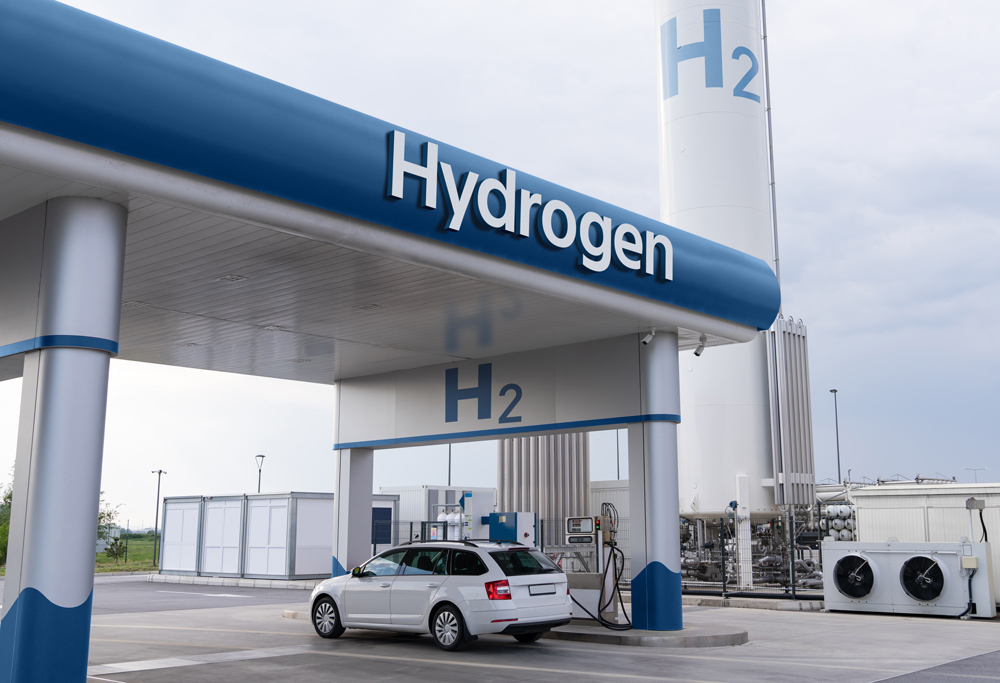
Continuous
detection where batteries charge
Rugged
built for marine and mobile environments
Decades
of hydrogen-sensing expertise
From one charging room to a fleet of facilities or vessels, H2scan helps you place the right detection and integrate it with your safety systems.
Decades of hydrogen expertise. 1.3+ billion sensor hours in the field. Self-calibrating, hydrogen-specific solid-state sensing, with experts at your side.
Charging areas and battery spaces put hydrogen and people in the same room. Continuous detection turns an invisible, odorless hazard into an early, actionable warning.
H2scan’s solid-state sensors are rugged and self-calibrating, so they keep protecting crews in demanding marine and mobile environments without a maintenance burden.
Detect battery off-gassing before it becomes a fire risk.
Continuous monitoring where charging generates hydrogen.
Rugged sensing for marine, humidity, salt and vibration.
Turn an invisible hazard into a timely response.
Alarms and outputs that tie into site safety.
Self-calibrating sensing that keeps working.
Share your charging areas or vessels and an H2scan expert will scope the right detection.
A. Lead-acid forklift batteries off-gas hydrogen while charging. In enclosed charging rooms it can accumulate toward flammable levels, and OSHA guidance calls for it to be controlled — continuous detection provides early warning.
A. Battery and engine spaces on vessels concentrate hydrogen where crews work. Rugged continuous area monitoring detects off-gassing early and holds accuracy through vibration, humidity and salt.
A. Anywhere large battery banks charge, hydrogen can accumulate. Continuous area monitoring protects people in automotive charging and service facilities.
A. Nothing — hydrogen is colorless and odorless, so people get no natural warning. That is why continuous monitoring matters: a sensor sees the rise that human senses cannot.
A. None. The sensors are self-calibrating with no consumables, built to keep working in demanding environments.