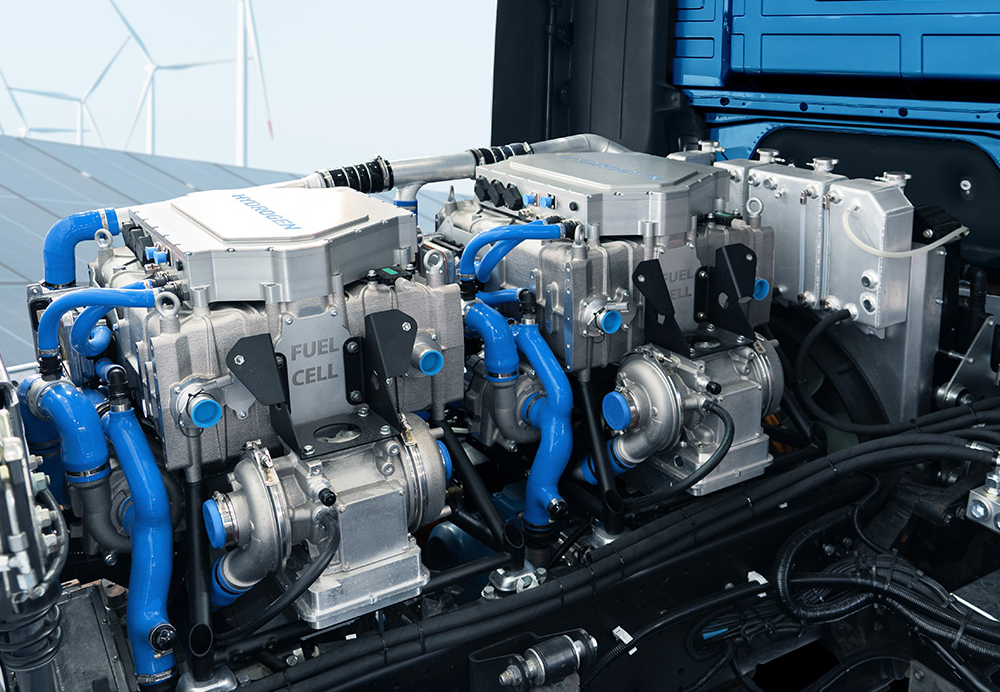
Electrolyzers and fuel cells live or die on hydrogen quality and safety. In electrolyzers, hydrogen crossover into oxygen (HTO) is both a performance and a safety concern; in fuel cells, purity drives output and stack life. H2scan measures hydrogen continuously inline for purity and performance, and monitors the surrounding area for leaks — with solid-state sensing that holds accuracy against background gases and needs no consumables. Better data on what the stack is doing, and earlier warning when something is wrong.
Inline + area
performance measurement and leak safety together
Continuous
purity and crossover visibility
Decades
of hydrogen-sensing expertise
From a single stack to a production fleet, H2scan helps you place inline and area sensing and integrate it with your controls.
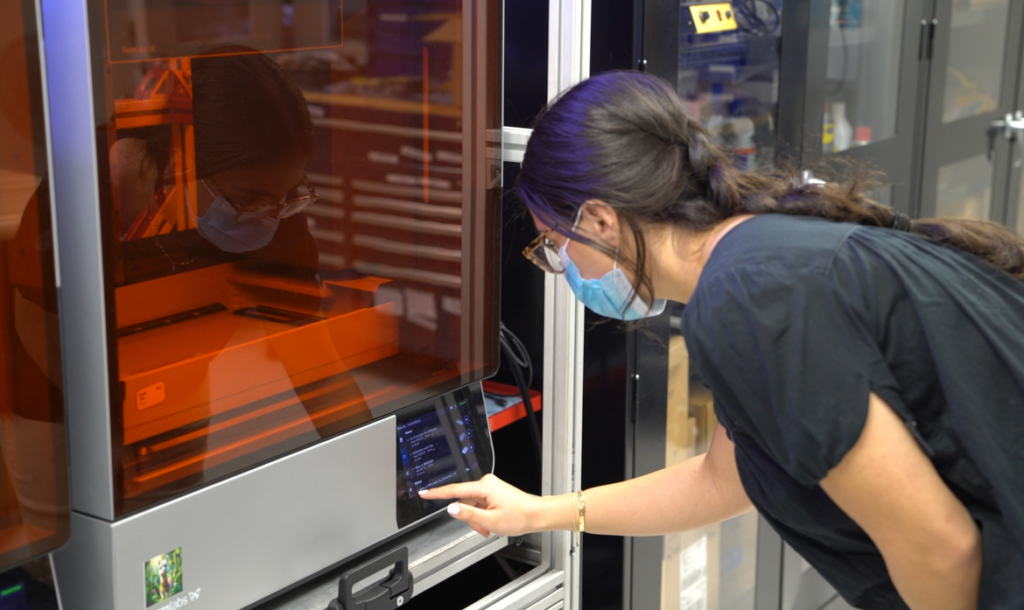
Decades of hydrogen expertise. 1.3+ billion sensor hours in the field. Self-calibrating, hydrogen-specific solid-state sensing, with experts at your side.
The same hydrogen measurement that optimizes performance also protects it. Inline analysis reveals purity and crossover trends; area monitoring catches a leak before it becomes a hazard.
H2scan’s solid-state sensing is cross-sensitivity-free and self-calibrating, so it keeps reading accurately across duty cycles without consumables or routine calibration.
Inline measurement of the hydrogen your stacks produce or consume.
Early visibility of hydrogen-to-oxygen crossover in electrolyzers.
Area monitoring protects people around the equipment.
Cross-sensitivity-free sensing holds accuracy as loads change.
4–20mA and Modbus outputs feed system controls.
Self-calibrating sensing that keeps pace with production.
Share your electrolyzer or fuel-cell systems and an H2scan expert will scope inline and area monitoring.
A. Electrolyzers need inline analysis to measure hydrogen purity and crossover (hydrogen-to-oxygen, HTO), plus area monitoring for leaks. H2scan covers both with solid-state sensing that stays accurate across duty cycles.
A. In an electrolyzer, hydrogen can cross the membrane into the oxygen stream. Rising crossover is both a performance and a safety concern, so continuous inline measurement is used to watch for it.
A. Inline analysis confirms the purity feeding the stack, which drives output and stack life, while area monitoring protects the people and equipment around it.
A. Duty cycles and mixed gases can fool sensors that respond to more than hydrogen. H2scan’s coating responds to hydrogen alone, so purity and safety readings stay trustworthy.
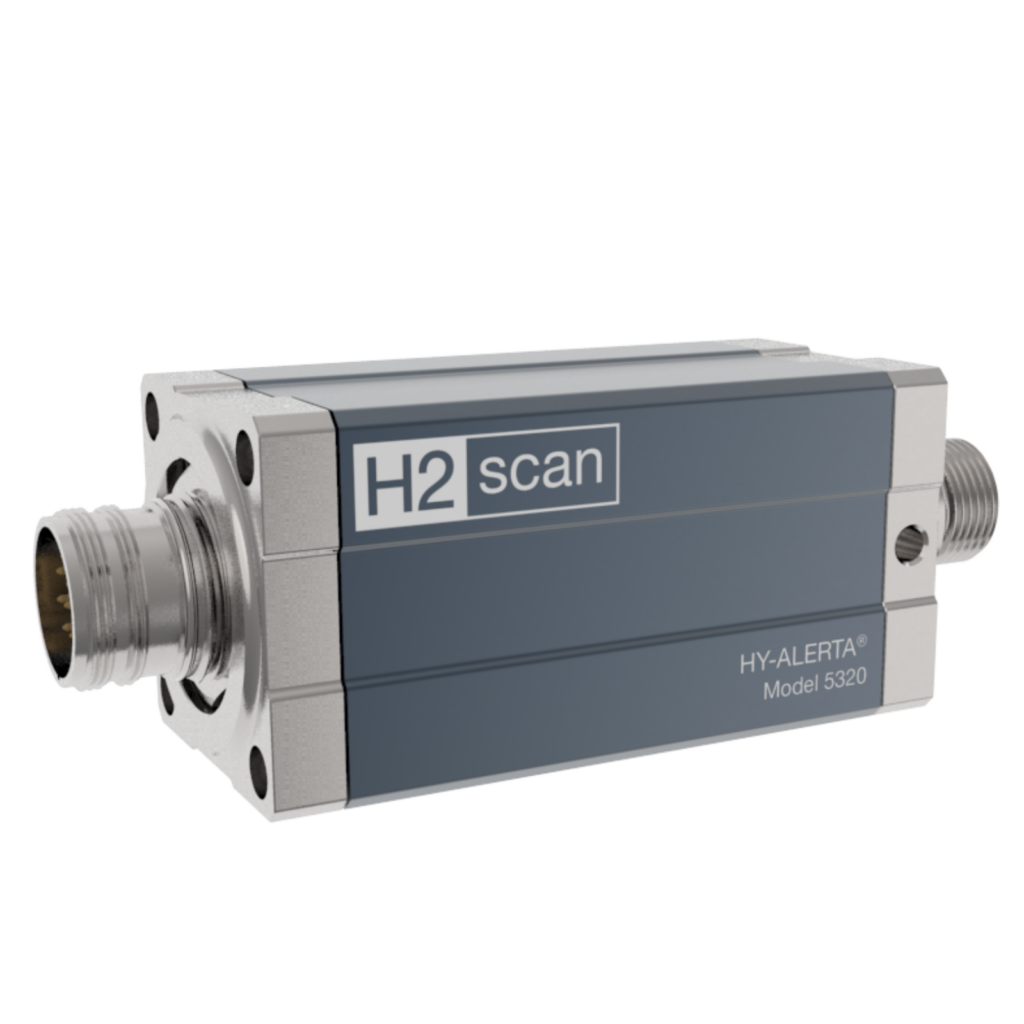
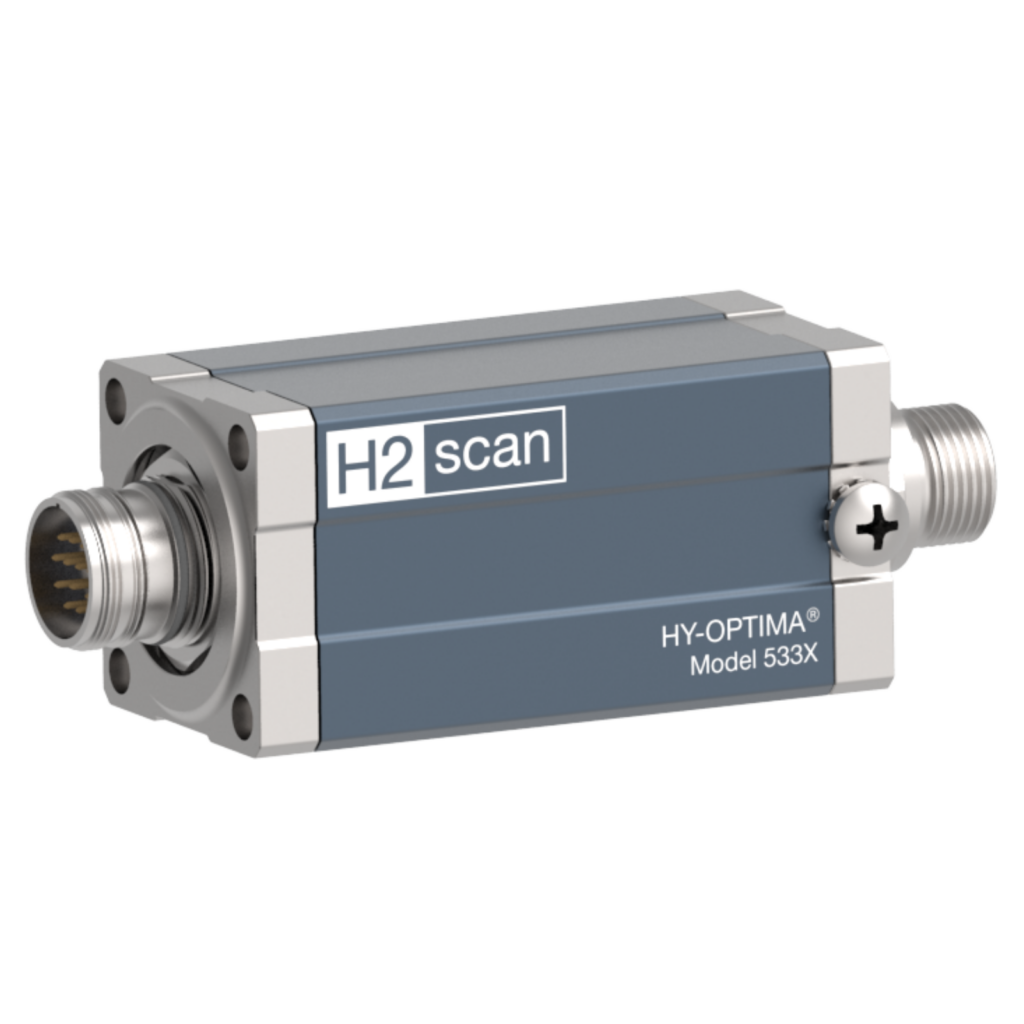
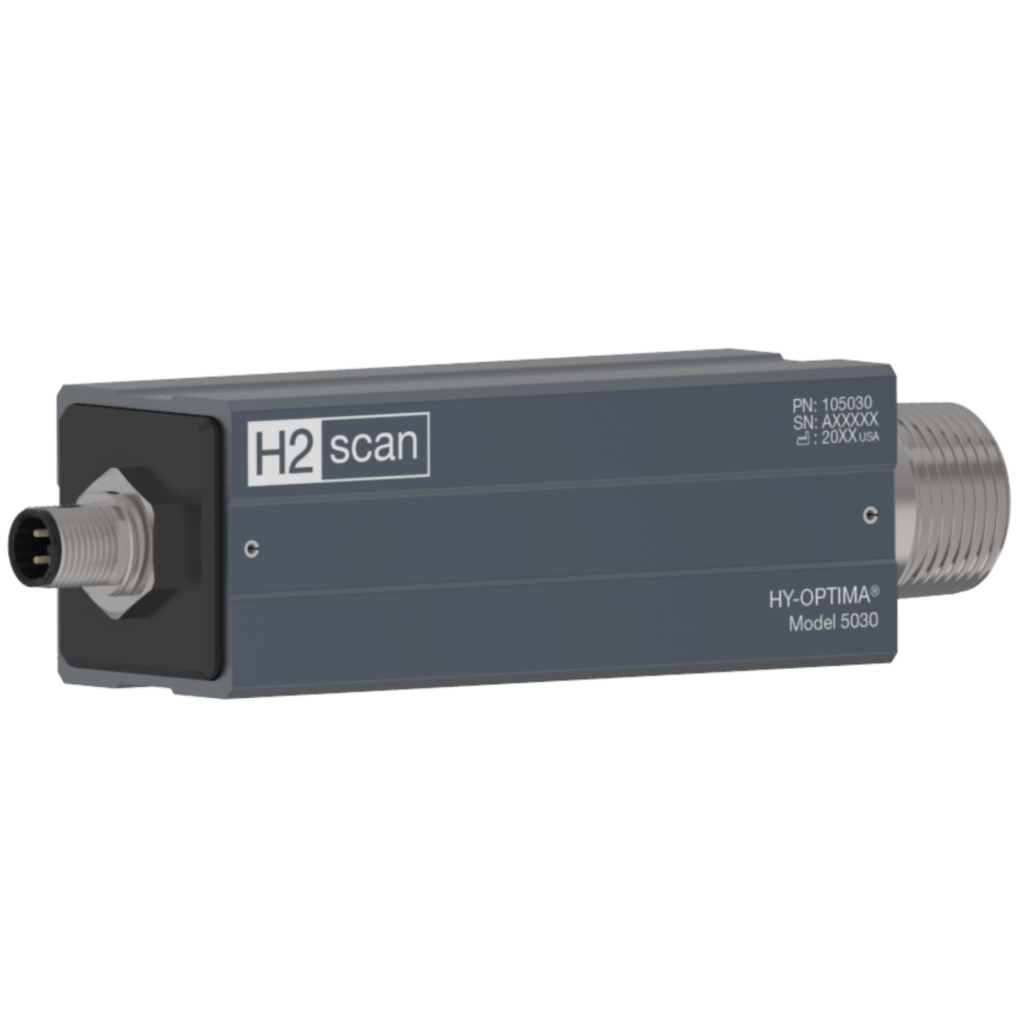
A. Yes. HY-OPTIMA and HY-ALERTA output over 4–20mA and Modbus and feed system controls and the H2cloud platform.