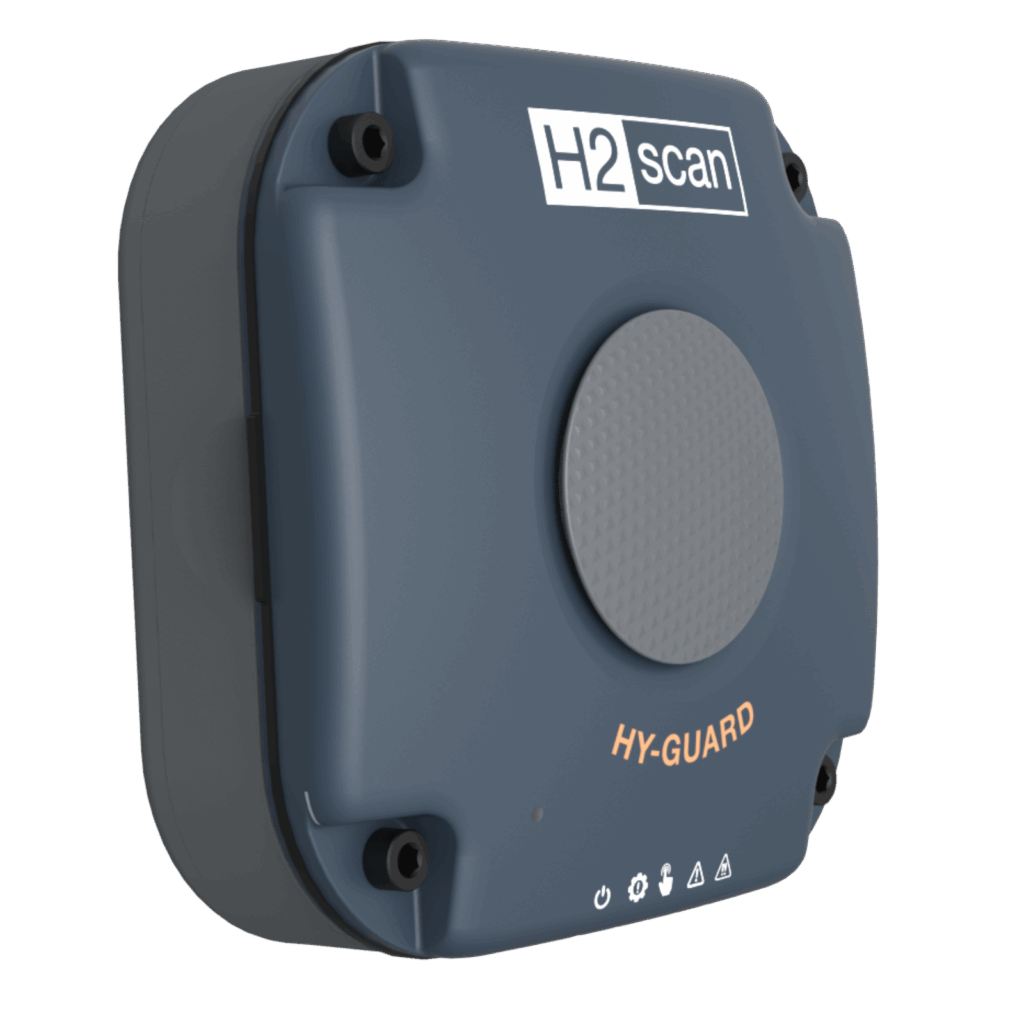
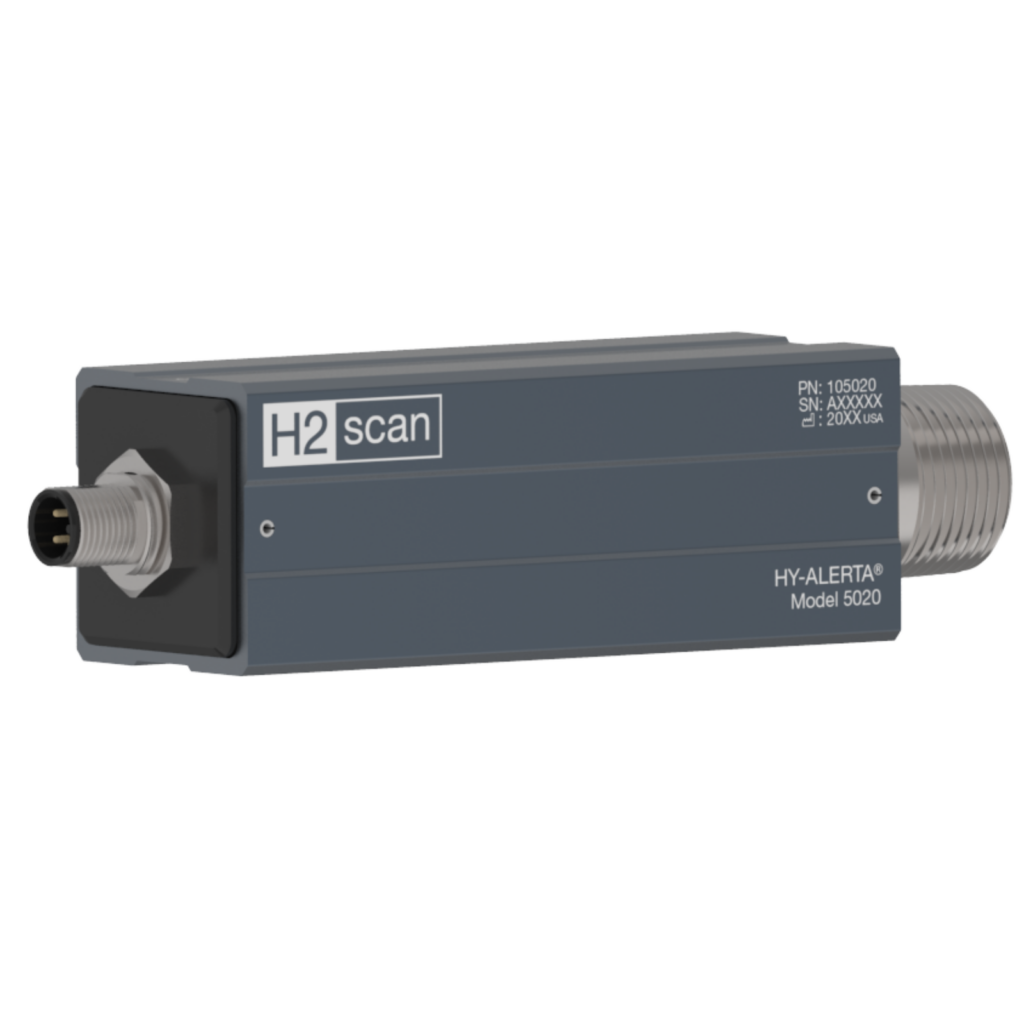
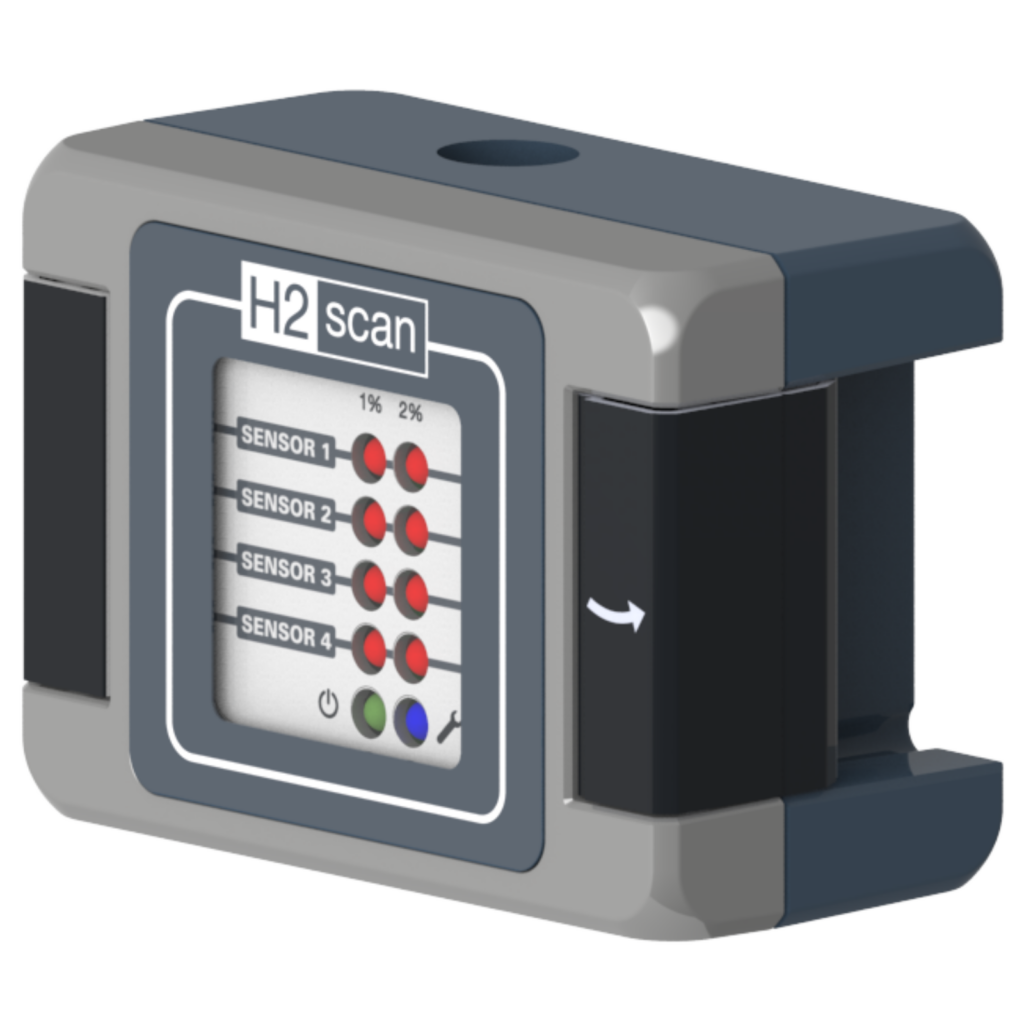
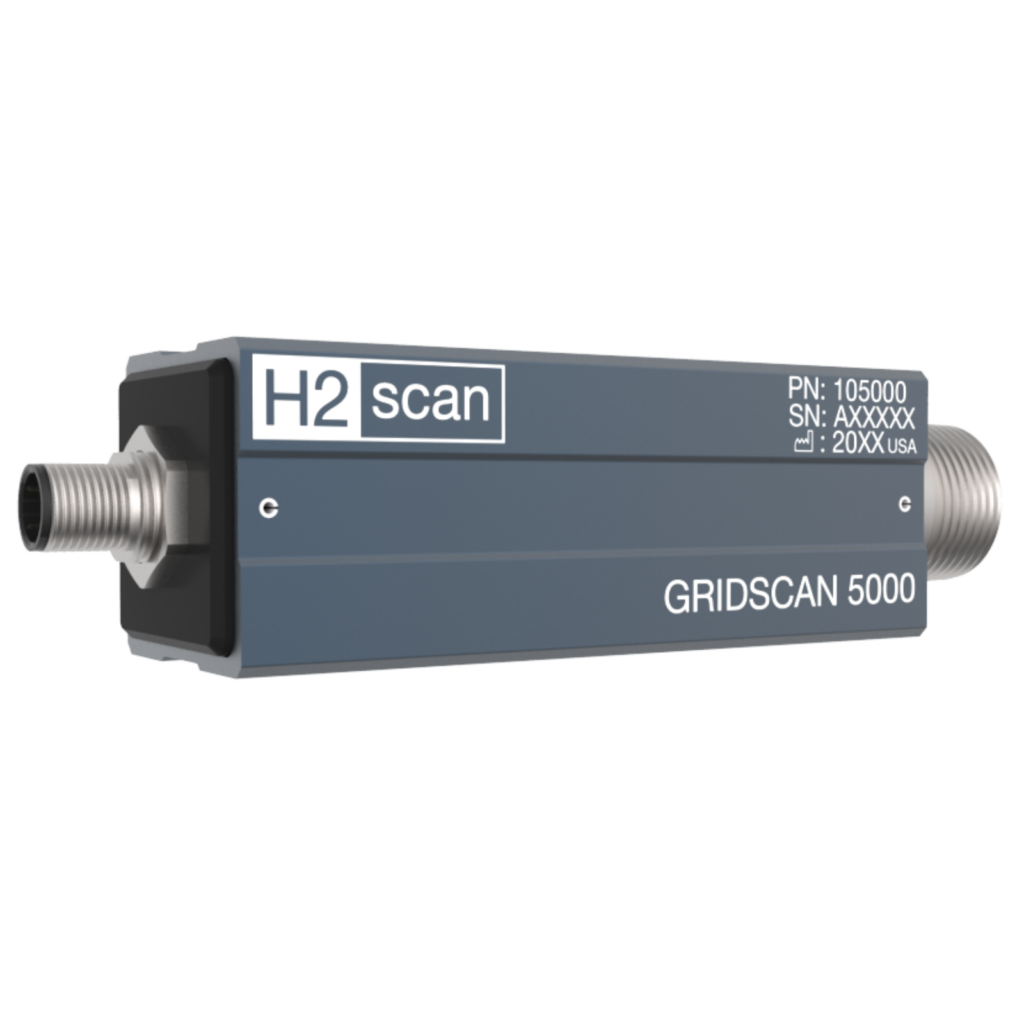
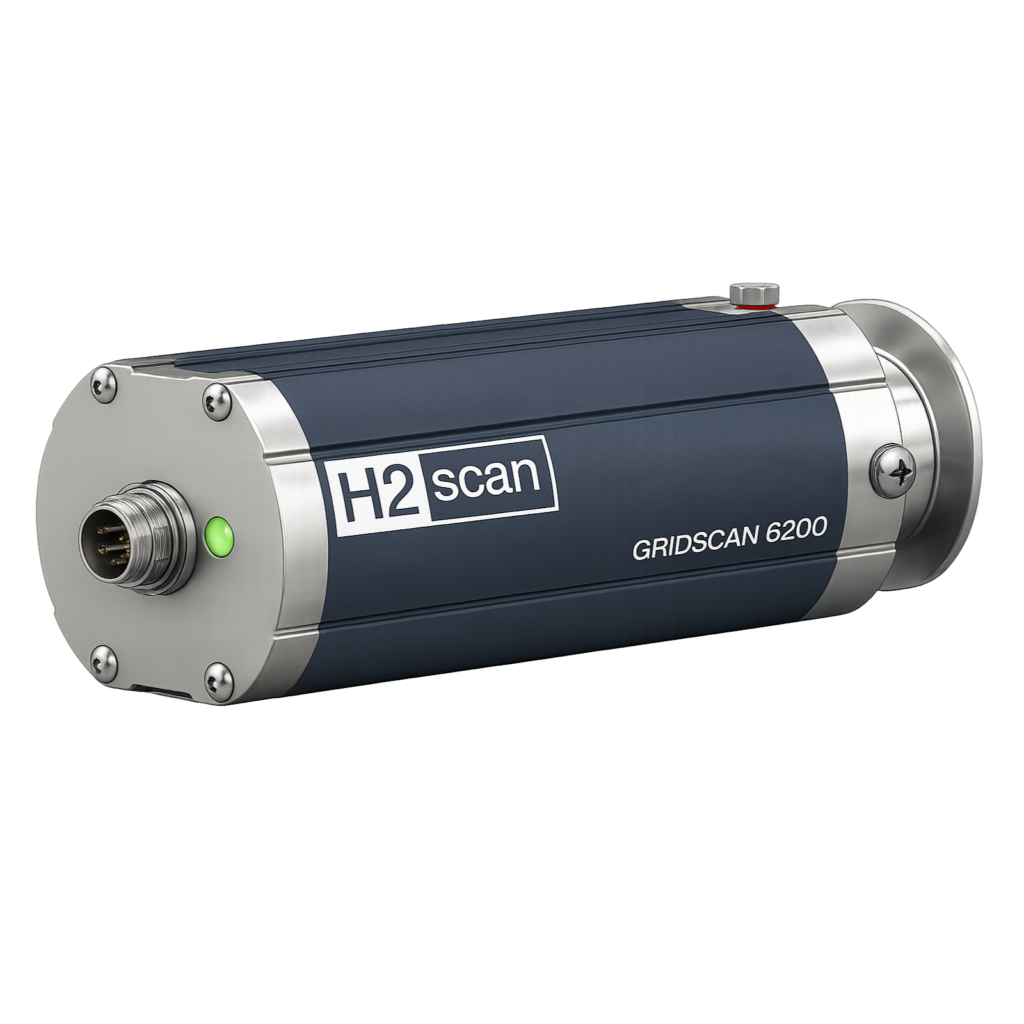
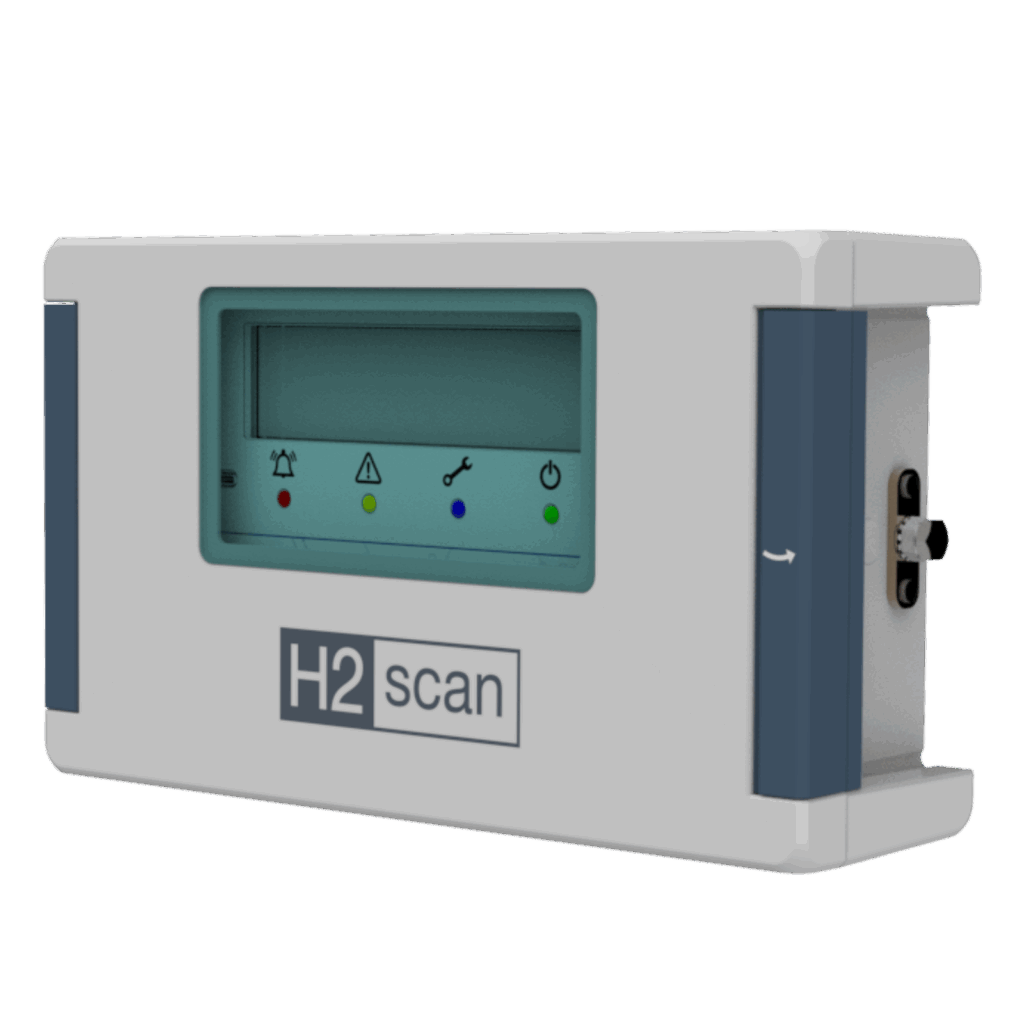
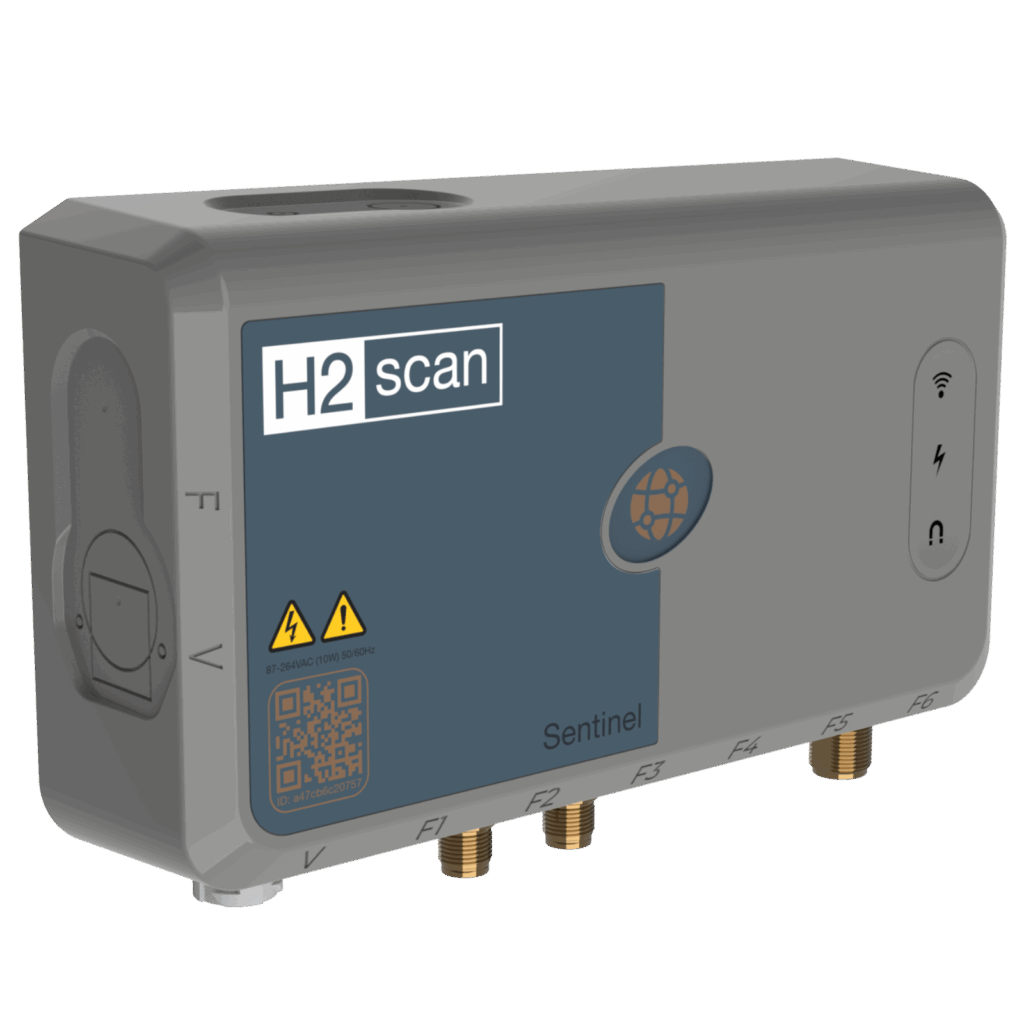
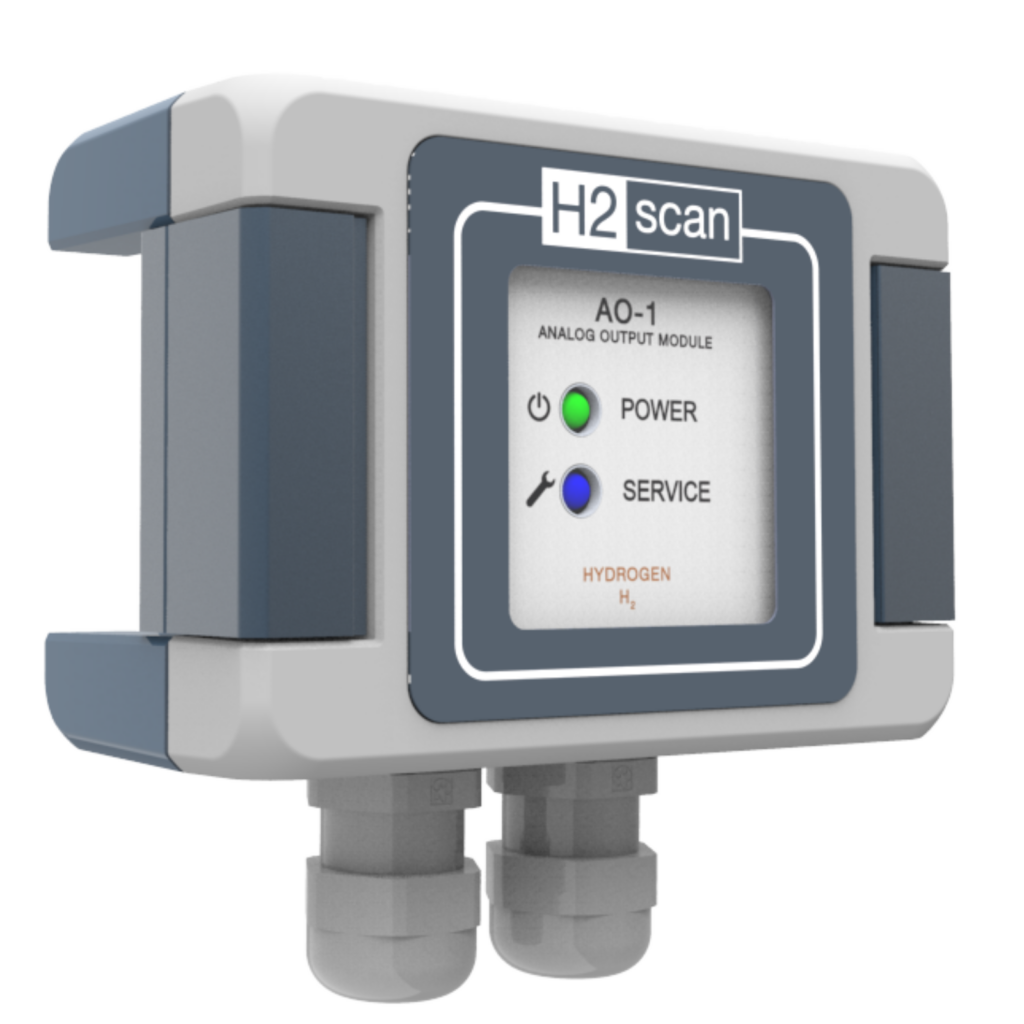
Data centers depend on UPS and battery systems to ride through every disturbance — and those batteries generate hydrogen as they age, charge and fail. Undetected, it is both a safety hazard and an early sign of a failing string that could take critical load with it. NFPA 855 applies to many data-center energy-storage rooms. H2scan monitors hydrogen continuously at the battery, independent of ventilation, and integrates with building and DCIM systems — so facilities teams get early warning in time to protect the SLA, not explain a breach.
Continuous
monitoring at the battery, not the ceiling
SLA-first
early warning to protect uptime
Decades
of hydrogen-sensing expertise
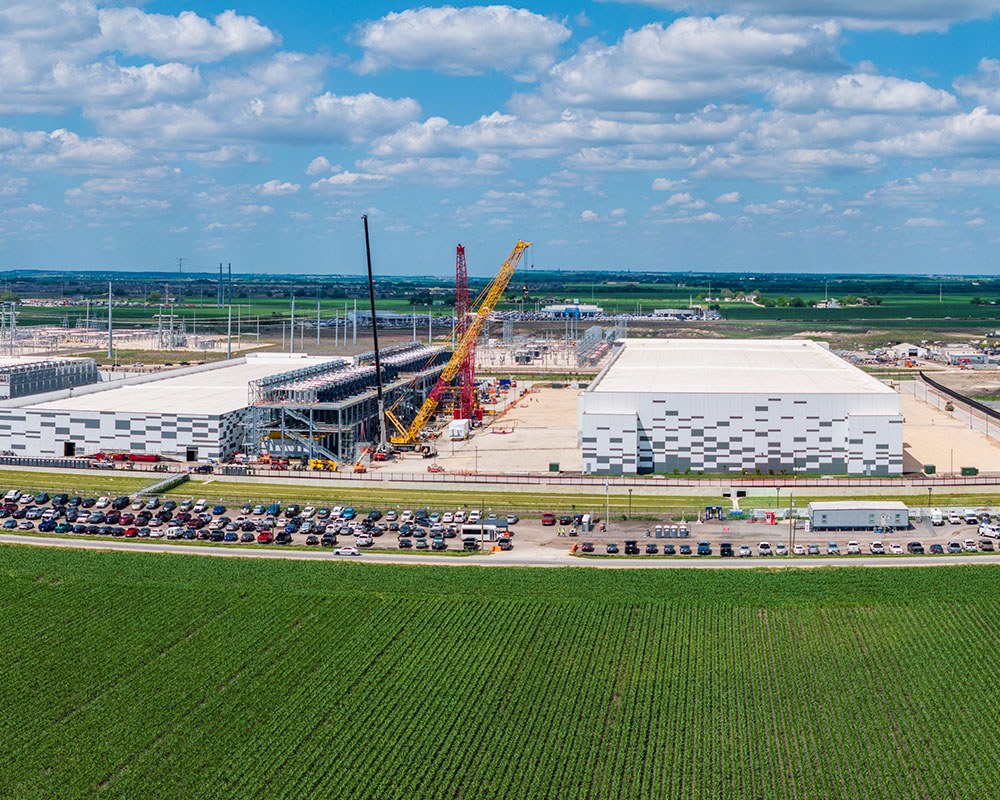
From one facility to a global footprint, H2scan helps you standardize battery-room monitoring and integrate it with BMS and DCIM.
Decades of hydrogen expertise. 1.3+ billion sensor hours in the field. Self-calibrating, hydrogen-specific solid-state sensing, with experts at your side.
An outage caused by a battery event is exactly the kind of failure a data center exists to avoid. Detecting hydrogen off-gassing early turns a potential incident into a planned intervention.
H2scan’s solid-state monitors are self-calibrating with no consumables, so battery-room coverage scales across a fleet of sites without adding a maintenance burden.
Catch battery off-gassing before it can threaten critical load.
Continuous hydrogen monitoring for data-center energy-storage rooms.
Monitor at the battery for the earliest reliable warning.
Feed alarms and data into the systems facilities teams watch.
One monitoring approach for a global data-center footprint.
Self-calibrating sensors that don’t add a service burden.
Share your sites and battery rooms and an H2scan expert will scope monitoring and a rollout plan.
A. With continuous hydrogen monitoring in UPS and battery rooms. Batteries release hydrogen as they age and fail, and detecting it early gives facilities teams warning before a string failure or safety event can threaten uptime.
A. NFPA 855 governs stationary energy storage, and many data-center battery and UPS rooms fall within its scope. Continuous hydrogen monitoring supports compliance by confirming concentrations stay well below flammable levels.
A. Hydrogen off-gassing is an early sign of a failing battery. Catching it early lets teams isolate and replace the affected system as a planned intervention, before it can drop critical load and breach critical infrastructure.
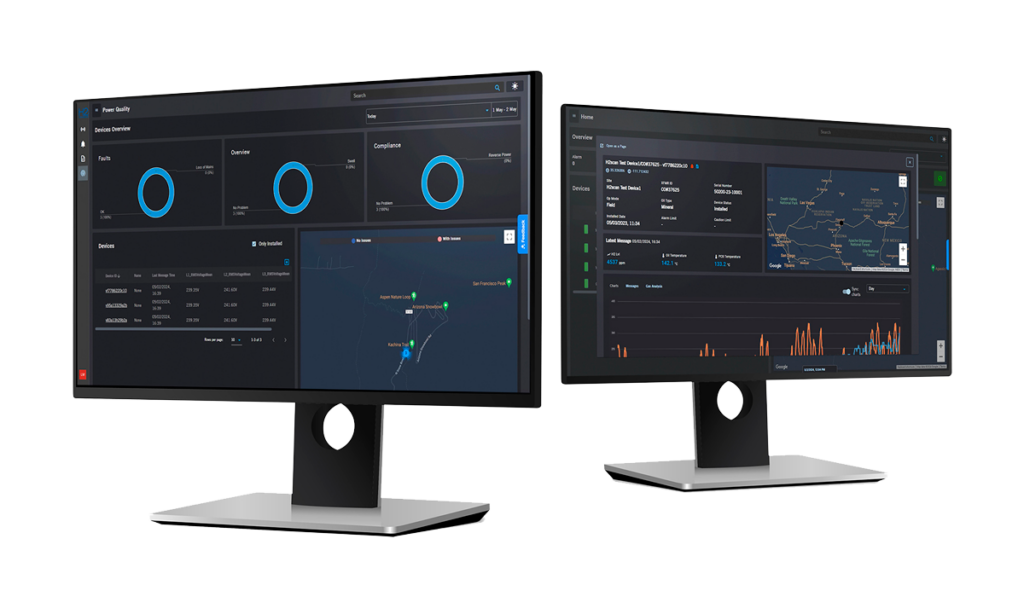
A. Yes. H2scan area monitors provide alarms and outputs that integrate with building management and DCIM systems, so hydrogen data reaches the dashboards facilities teams already use.
A. None. The sensors are self-calibrating with no consumables, so coverage can scale across many sites without a service burden.