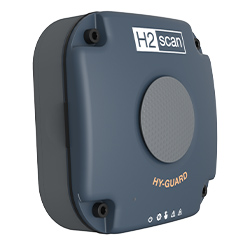
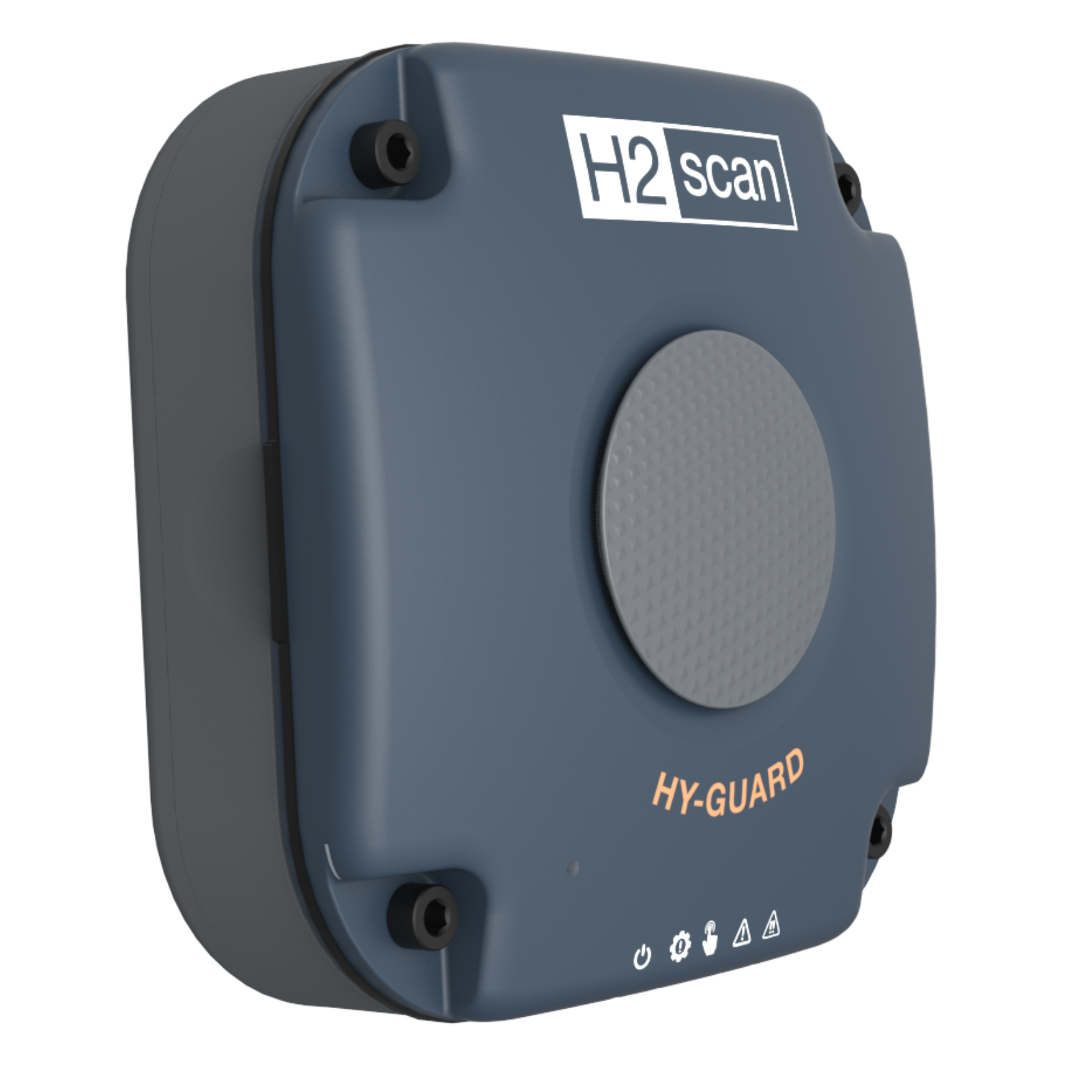
HY-GUARD®
General Location Area Monitor
All-in-one area monitor with customizable communications for battery rooms and standby power. Maintenance-free, with no calibration or replacement parts over its service life.
View product
According to one research report, companies across the globe will spend an estimated $307 billion on AI solutions in 2025, with that number more than doubling to $632 billion by 2028. While market segments of all types are participating in this race to implement artificial intelligence, one of many reasons is the goal to streamline operations through predictive maintenance. In that quest, there is a critical question that reliability managers and asset owners need to ask: Will the data I’m collecting today be valuable tomorrow?
The answer depends entirely on your data quality infrastructure.
Artificial intelligence and machine learning promise to revolutionize how critical assets are managed, from power transformers to electrolyzers to fuel cells. The potential is enormous: early fault detection, precise diagnostics, optimized efficiency and predictive maintenance that actually predicts.
However, there is a critical barrier to success. AI systems are only as good as the data they’re trained on. And right now, most industrial operations are not prepared and it will take companies longer and cost more to filter out bad training data.
A recent McKinsey study reveals a troubling reality: one in every three sensors in the field is mis-calibrated or operating outside specifications without detection. These sensors continue to report readings, feeding information into data-historian systems, but a full third of those “readings” do not supply reliable data, or any data at all. When organizations eventually turn to this historical bank to train AI models, they discover that years of collection were wasted.
When sensor data lacks integrity, organizations face a cascade of problems:
Consider what reliable data enables: strategic planning based on actual asset conditions for new practices regarding predictive maintenance. For example, resource allocation driven by real performance patterns and risk management grounded in trustworthy trends and better CAPEX management.
According to Deloitte research, poor maintenance strategies can reduce a plant’s overall productive capacity by 5 to 20 percent, while unplanned downtime costs industrial manufacturers an estimated $50 billion annually. If you’re not confident in your sensor data quality today, you’re undermining your AI capabilities tomorrow, reducing efficiency and losing money.
High-quality training data requires accuracy that reflects actual conditions rather than sensor drift, consistency in collection methods over time, reliability that gives you confidence in every measurement, and continuity without gaps or periods of unknown sensor status.
Traditional hydrogen sensors often fail on multiple fronts—they operate without self-monitoring capabilities, drifting out of specification while continuing to report readings with no automated way to flag when data becomes unreliable. Facility managers operate under a false sense of security because these hydrogen monitors continue to display a green indicator light, implying full operations when either mis-calibration is compromising the data or worse, the sensor has stopped operating entirely, without supplying any warning.
The evolution from reactive monitoring to predictive intelligence requires more than just algorithms—it requires data you can depend on. Whether you’re managing power transformers, optimizing electrolyzer efficiency, or ensuring fuel cell reliability, the pathway to AI-driven operations starts with the fundamental question of data quality.
The companies that will win in tomorrow’s AI-driven industrial landscape are those that collect reliable data today. Consider the competitive implications:
The sensors installed today are not just monitoring equipment; they’re building an accurate knowledge base that will power the AI systems you implement next year, three years from now or whenever your organization is ready to take that step.
H2scan’s advanced hydrogen monitors don’t just tell you what’s happening right now — they quietly build the data foundation you’ll need for tomorrow’s AI and predictive analytics. Our sensors use autonomous self-calibration technology that delivers accurate readings for 10+ years without recalibration or routine maintenance, giving you a long, trustworthy data record rather than a stream of short-lived, inconsistent measurements.
Each sensor can store measurement data directly on its ASIC (depending on sampling intervals), so you can tap into rich historical data for trend analysis, incident reconstruction or training predictive models — even if the device isn’t connected to the cloud. When it is connected, that same real-time and look-back data can drive smarter alerts, early warnings and AI-driven insights into what went wrong and how to prevent it next time. Whether your sensors are online or offline, your hydrogen data is preserved in the background. With H2scan hydrogen sensors, you’re not just monitoring hydrogen — you’re future-proofing your analytics.
Don’t let mis-calibrated sensors compromise your AI future. Contact H2scan today to learn how self-monitoring sensor technology can protect your operations now while building the capabilities your organization will need tomorrow.
Contact our team to learn about the sensors that will collect the AI data for your future predictive analysis.

About the Author
HY-GUARD®
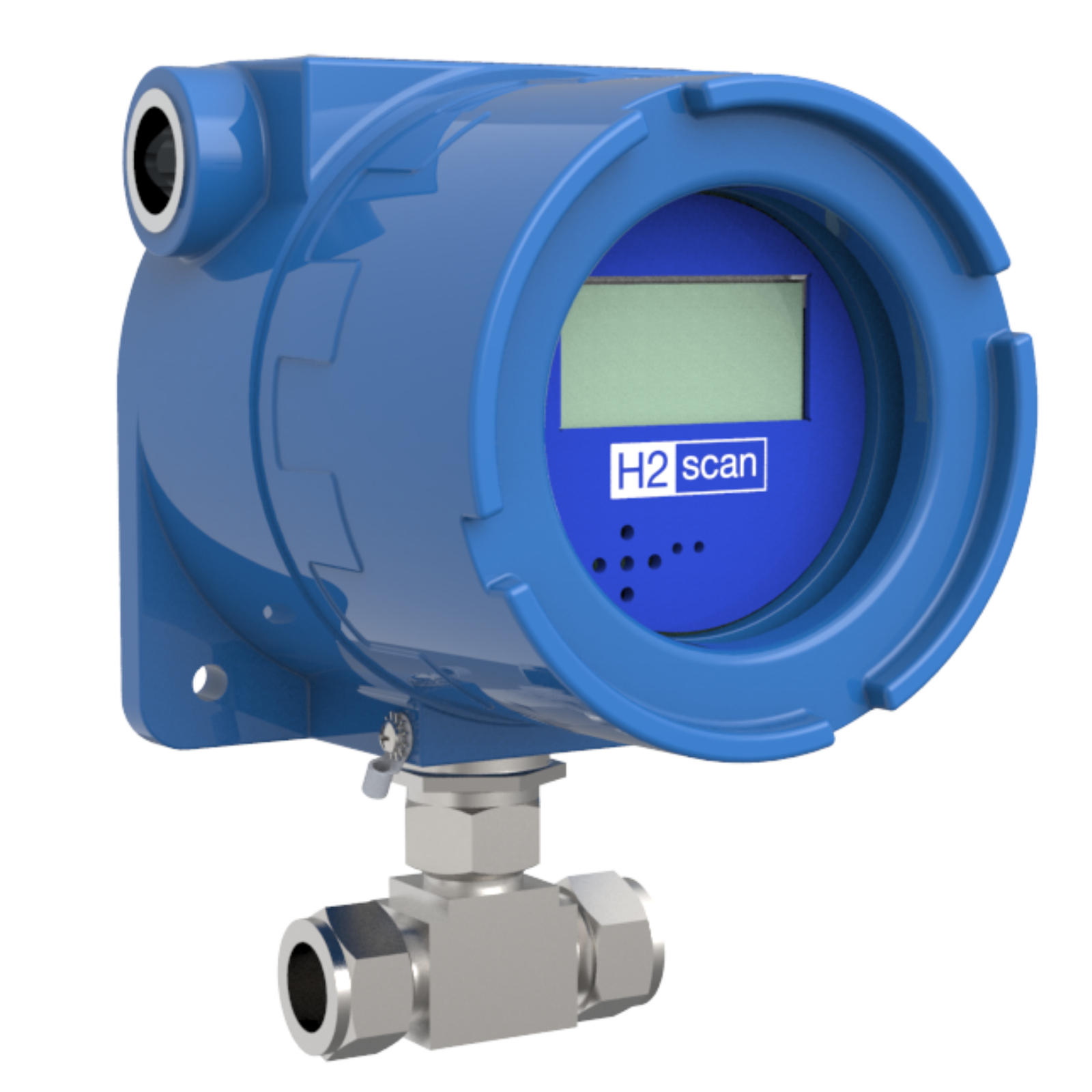
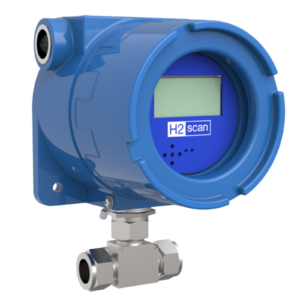
HY-OPTIMA® 2700 Series
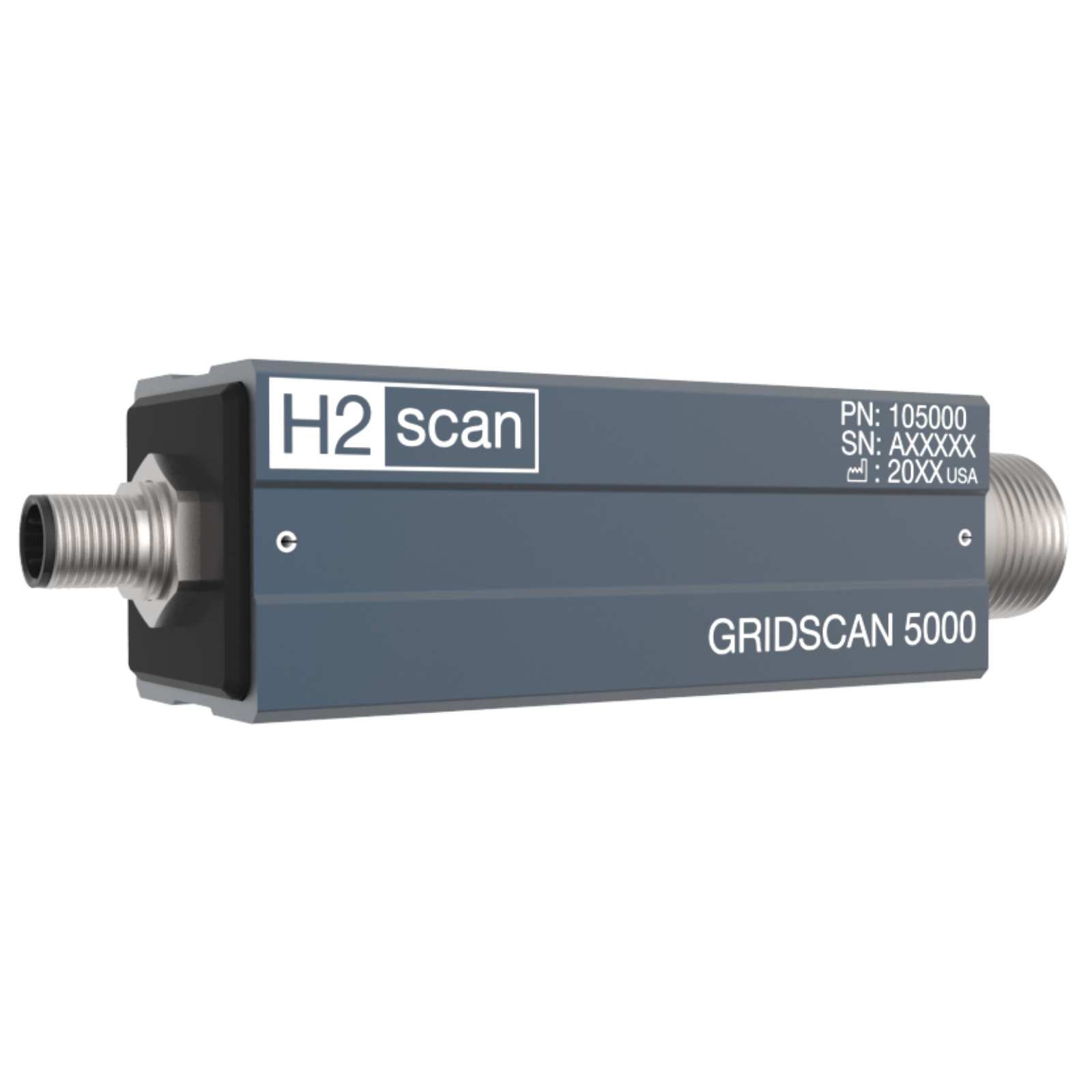
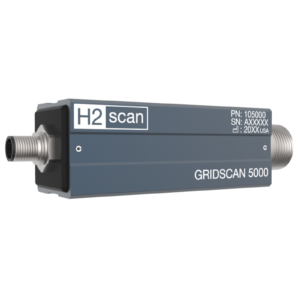
GRIDSCAN® 5000 Series