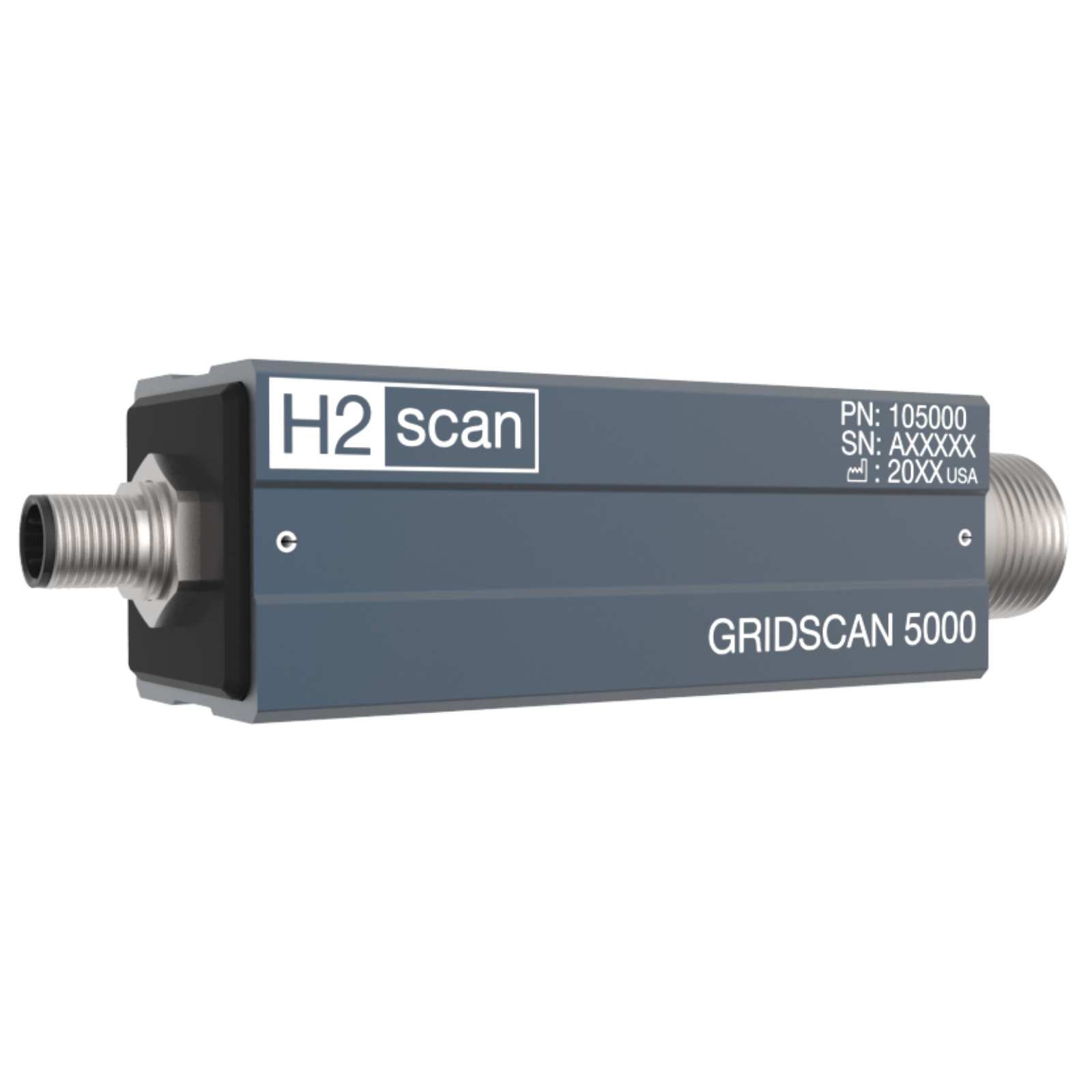
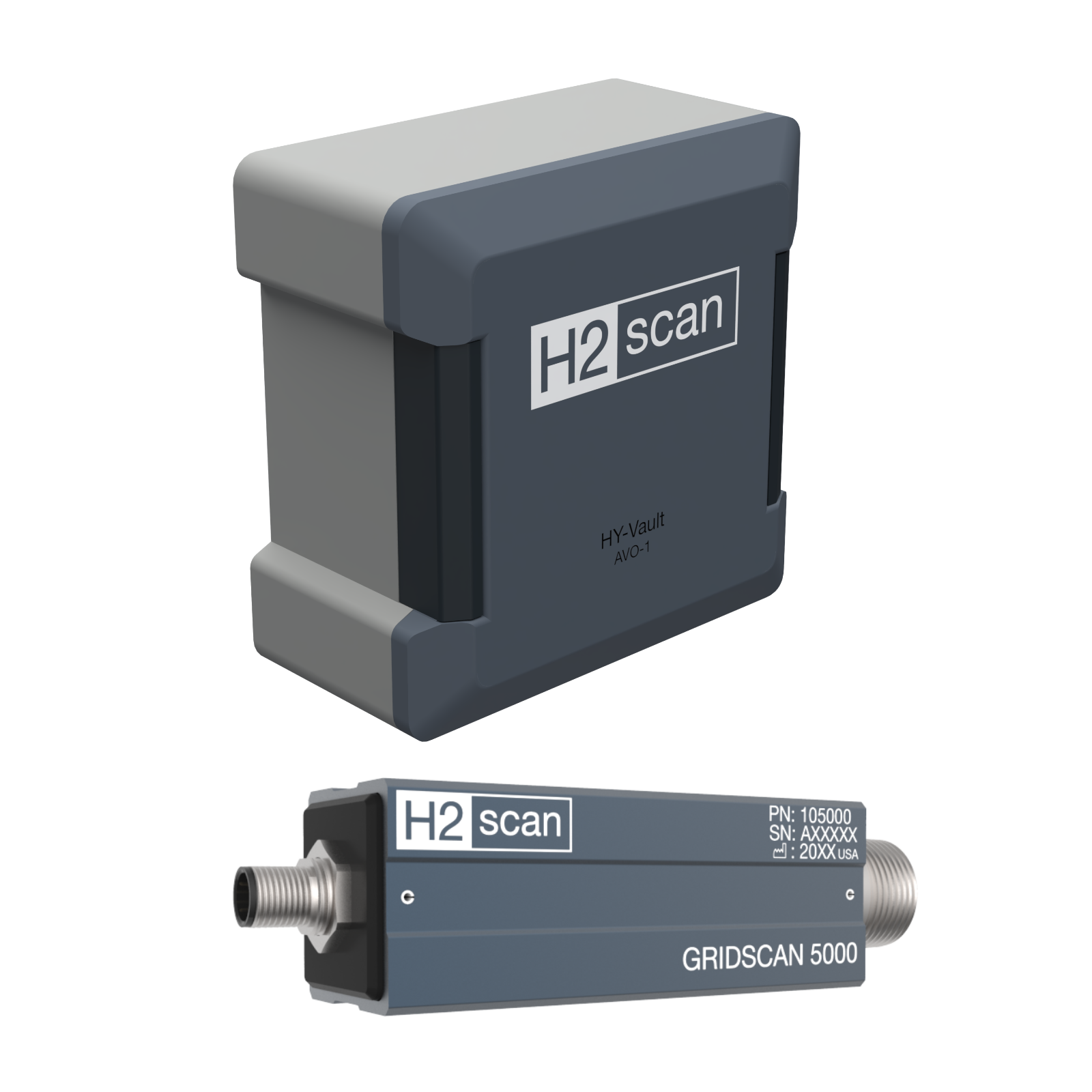
GRIDSCAN® 5000 Series
Hydrogen Sensor
Precision hydrogen measurement at low cost for utilities and OEMs. No calibration or maintenance for up to 10 years; over 15,000 sold with no after-sale calibrations since 2012.
View product
Imagine this scenario: It’s 3 AM when your phone rings. A critical transformer has failed, plunging thousands into darkness and triggering a cascade of system failures. The repair cost? Astronomical. The waiting time for a replacement transformer? Two years if you don’t have one standing by or on hold in production. The damage to your utility’s reputation? Immeasurable.
Yet just last month, this same transformer passed its annual Dissolved Gas Analysis (DGA) test. Then why did it blow?
This scenario plays out regularly worldwide, where utilities manage thousands of transformers while relying on a monitoring approach that leaves them blind 99.7% of the time—or 364 days each year when potentially catastrophic issues develop silently, undetected until it’s too late.
Despite this, a common question from utility professionals is, “If I’m already doing annual DGA sampling, why invest in hydrogen sensors?” The answer to that question? It lies not in what you’re seeing during that single annual snapshot, but in what you’re missing during the critical hours and days when transformers first begin to show abnormalities.
Annual DGA sampling only provides a snapshot of transformer health at a single moment. Consider instead this real scenario that played out at one facility that had installed a hydrogen sensor on its transformer. The hydrogen sensor showed elevated levels of hydrogen, prompting a manual DGA sample. The following manual test suggested arcing was occurring inside the transformer. Upon inspection, the maintenance crew found a loose nut, which, while it appears to be minor, could have led to a catastrophic failure. Thanks to this early detection, the transformer was repaired and returned to service quickly, avoiding not just the cost of a transformer replacement, but also the corresponding downtime.
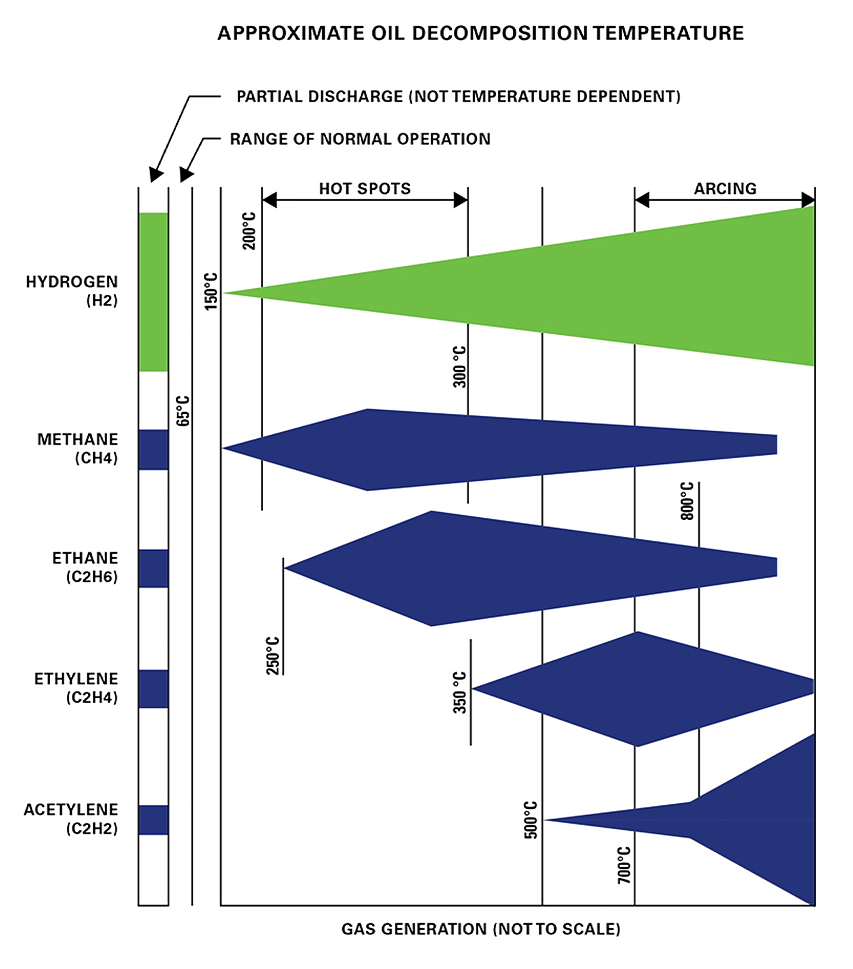
Transformers produce gases differently based on fault type and severity. Hydrogen emerges first during overheating events, while other gases like methane, ethane and ethylene appear as temperatures increase. This is due in part to its small molecular size. Hydrogen therefore acts as the industry’s most effective early indicator of transformer abnormalities.
This leads to a crucial insight: if you’re only conducting tests on transformers once per year or during scheduled maintenance, you’re likely missing critical hydrogen indicators because the gas may have escaped prior to your next sampling date, or worse, there might have been a preventable incident related to transformer failure.
Other issues with DGA include cross sensitivity to other gases, regular calibration, the need for a reference or carrier gas and cost.
Your transformer fleet represents substantial investments.
Hydrogen sensors offer an early warning system to spare utilities the costs associated with unanticipated transformer failure and help supply the data required to analyze transformer health for a fraction of the cost of alternative monitoring methods.
While multi-gas monitors can cost $50,000-60,000 each (installed), single gas (hydrogen) monitors typically cost around $5,000-10,000 installed – approximately 1/10th the cost of multi-gas DGA systems. This price difference allows utility managers the ability to assess transformer health across their fleet, or at the minimum in more transformers, in a more cost-effective fashion, while the prohibitive cost of multi-gas monitors prevents this comprehensive health assessment.
Hydrogen sensors provide continuous online monitoring instead of annual snapshots. The sensors detect hydrogen gas in a short time frame, depending on the sensor’s desired sensitivity. The sensors issue an immediate alert when hydrogen levels exceed a predetermined threshold. This continuous monitoring enables correlation between operating conditions and gas generation, detecting intermittent problems missed by annual sampling.

Modern hydrogen sensors feature sophisticated self-calibration capabilities, eliminating the need for manual calibration over their operating life. For example, H2scan sensors automatically calibrate every 12 hours to prevent drift and ensure accurate readings throughout their long sensor life. As the H2scan sensor technology is the only hydrogen sensor capable of a 10-year warrantied lifespan compared to others lasting 2-3 years, this long-life self-calibration capability is a critical differentiator, removing maintenance requirements and ensuring reliable long-term operation without field interventions.
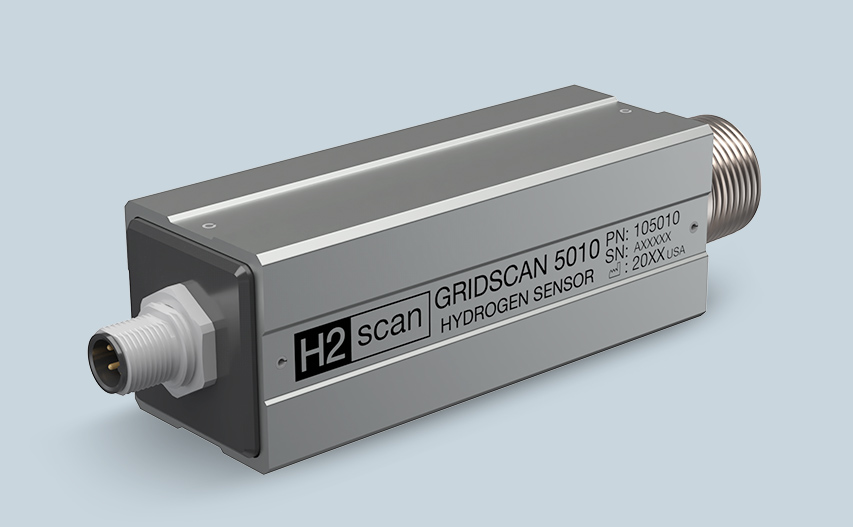
Today’s hydrogen monitoring solutions offer comprehensive cloud-based data collection, processing, storage and visualization platforms. These systems provide real-time alerting via email or text message when abnormal conditions are detected. Cloud platforms offer several key advantages:
This cloud-based approach creates a complete ecosystem for transformer health monitoring that extends far beyond the capabilities of manual sampling.
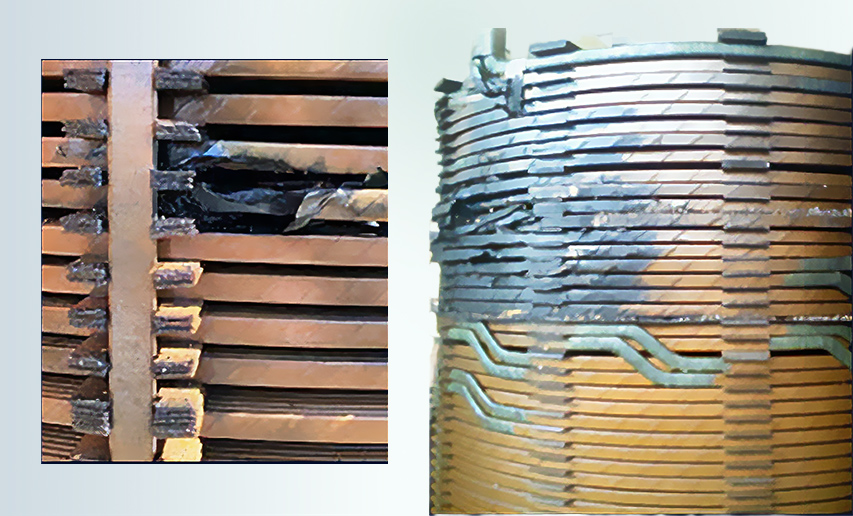
Single-gas (hydrogen) DGA monitoring makes economic sense for critical transmission transformers, generator step-up units, major substation transformers, units with previous gassing history, and even transformers still under warranty. Strategic deployment across an entire fleet provides maximum monitoring with reasonable investment.
When evaluating single gas (hydrogen) DGA monitoring, consider these key factors:
Utility accounting practices traditionally made small expenditures challenging to capitalize. However, the industry trend now favors classifying transformer monitors as separate property items, allowing capital replacement when sensors reach end-of-life.
Transformer failures cost utilities millions in equipment replacement, cause extended outages that damage customer relationships and create maintenance backlogs that strain resources. While annual DGA sampling provides valuable data points, constant hydrogen monitoring transforms your approach from reactive to proactive by filling the critical 364-day monitoring gap in an affordable fashion.
By deploying cost-effective online hydrogen sensors on critical transformer assets, you gain more transformers equipped with:
A minimal investment in continuous hydrogen monitoring doesn’t just prevent transformer failures—it fundamentally changes how utilities manage their most valuable grid assets, transforming occasional inspection into actionable intelligence that protects the infrastructure, businesses, public services and the public.
Learn more about hydrogen sensors for transformer monitoring here or contact us to start a conversation with an application specialist.
GRIDSCAN® 5000 Series
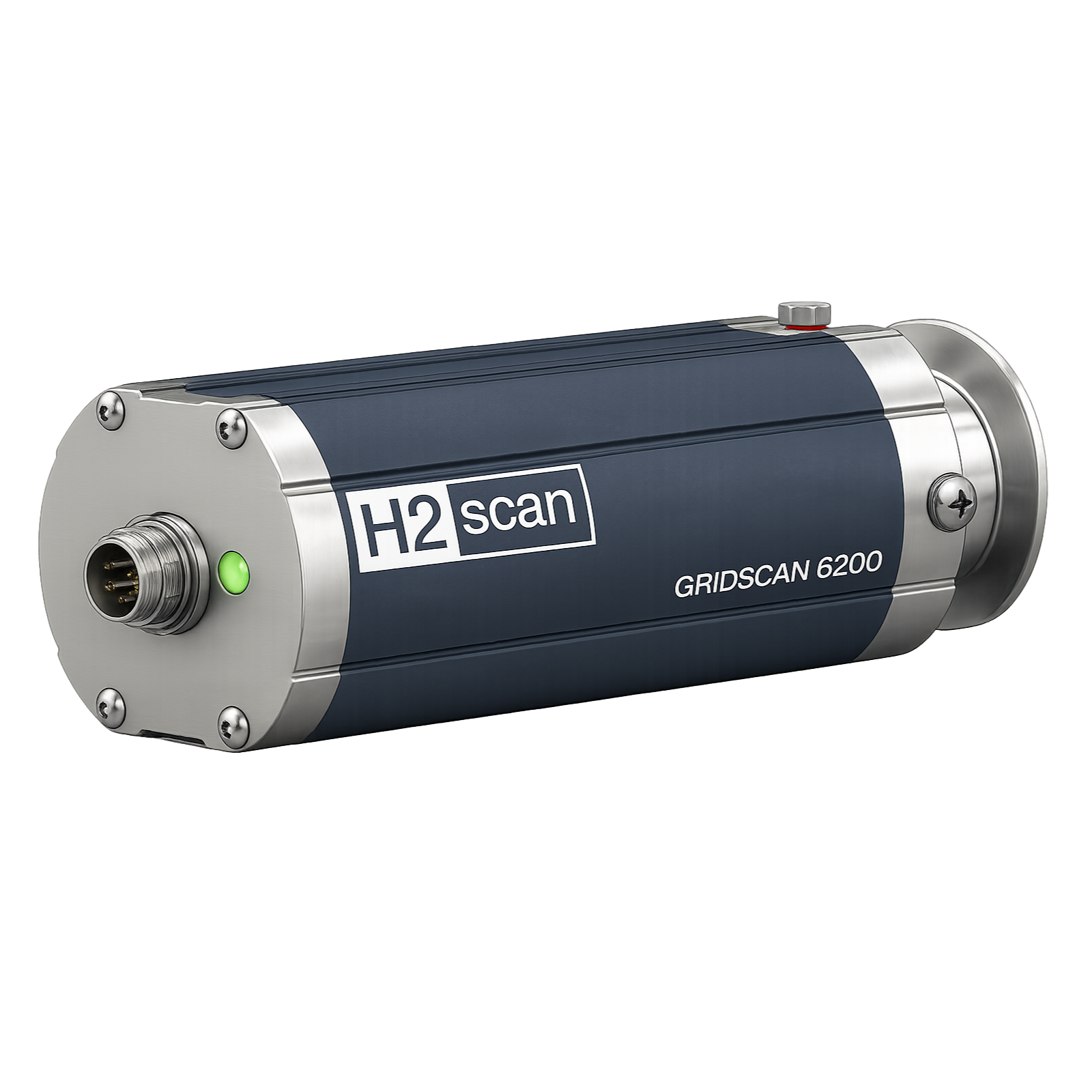
GRIDSCAN® 6200
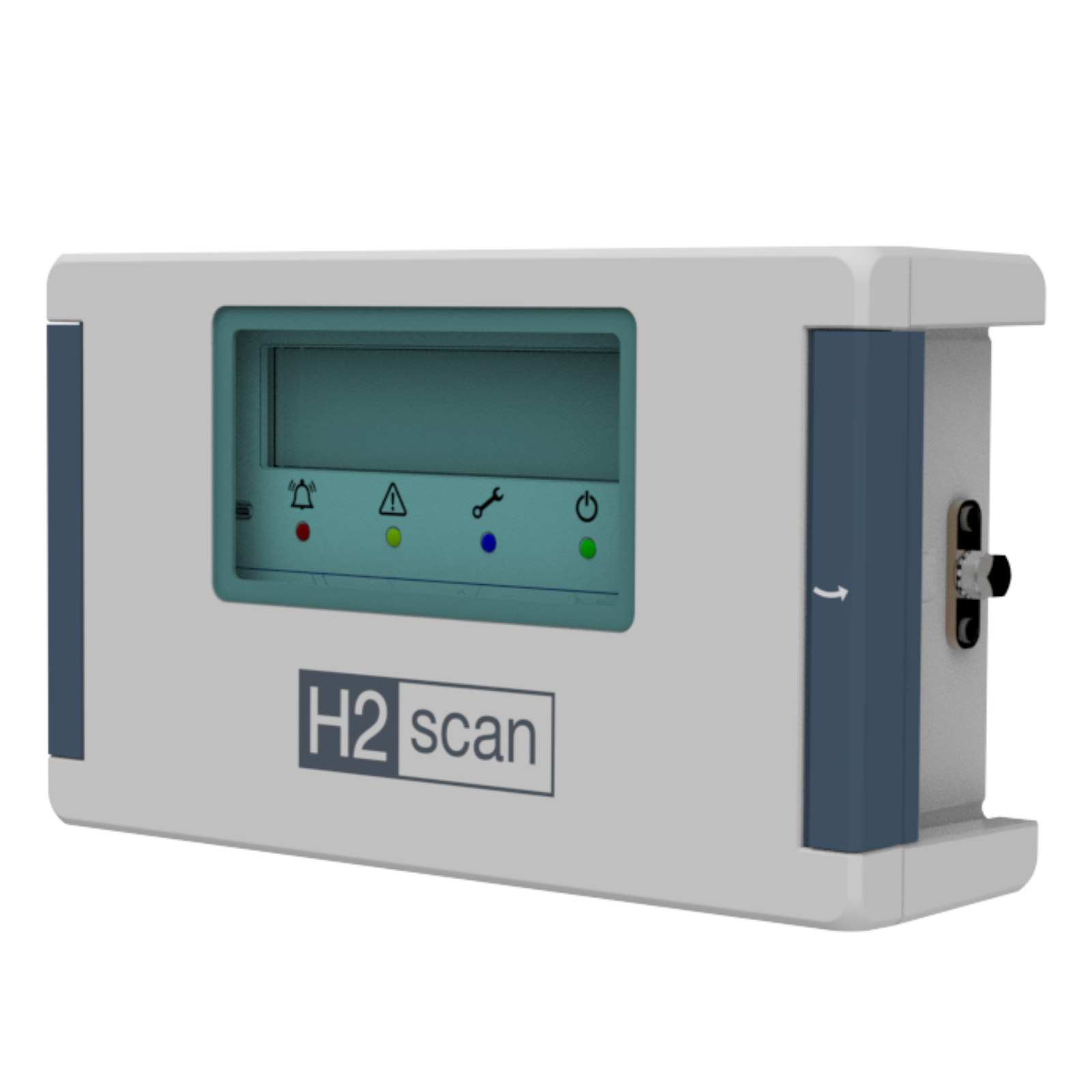
GSAO-2
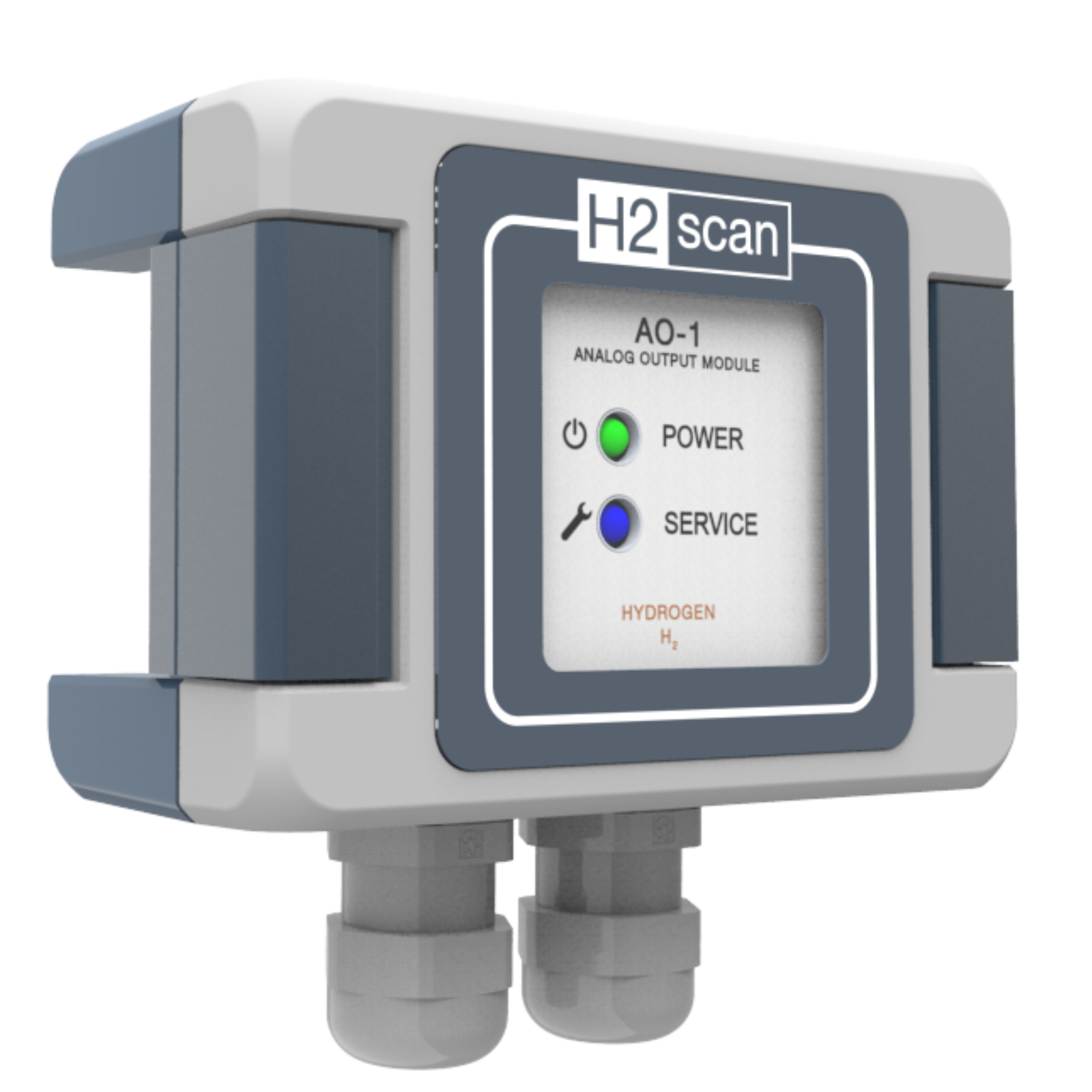
GSAO-1
HY-VAULT™