
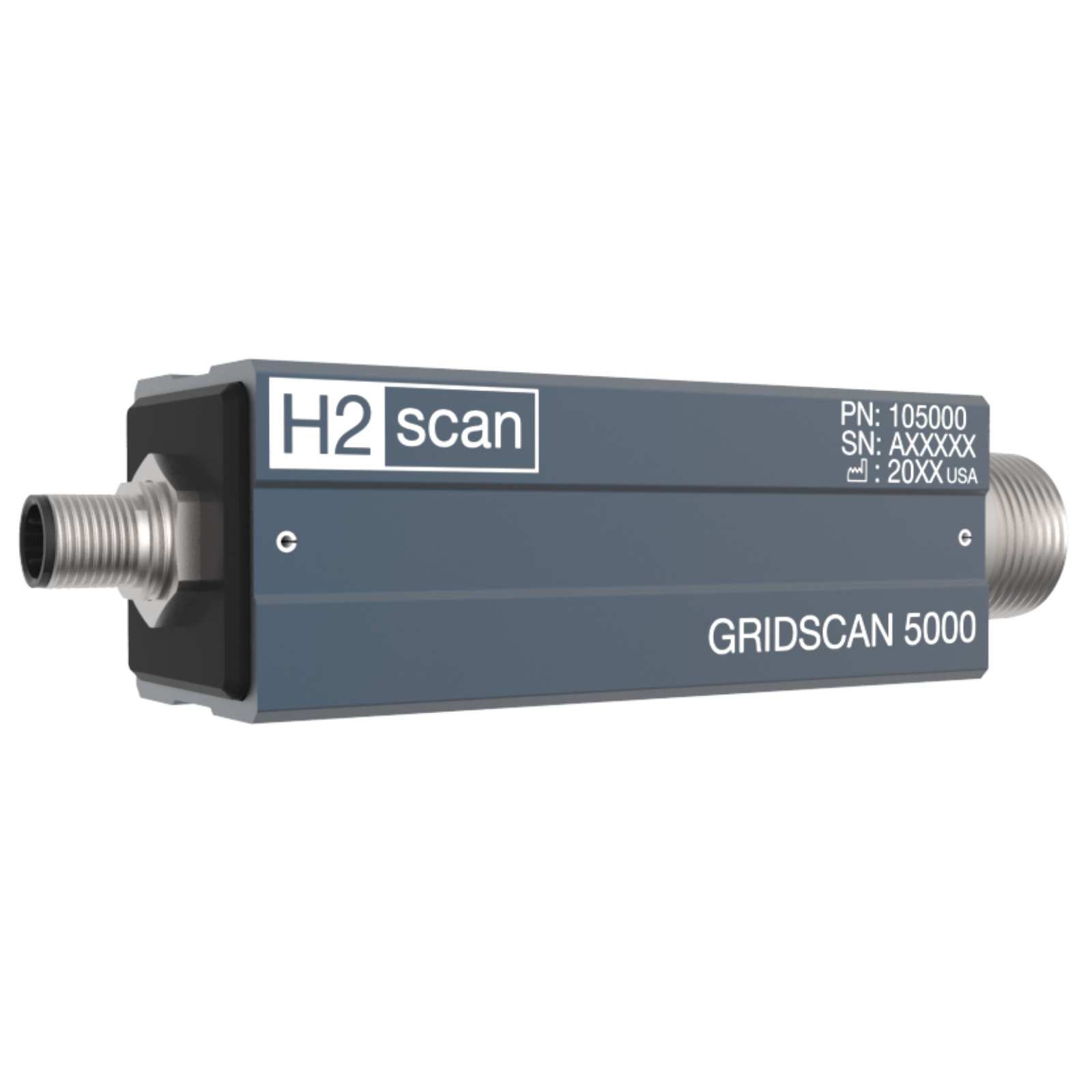
GRIDSCAN® 5000 Series
Hydrogen Sensor
Precision hydrogen measurement at low cost for utilities and OEMs. No calibration or maintenance for up to 10 years; over 15,000 sold with no after-sale calibrations since 2012.
View product
You’ve detected hydrogen (H2) in a transformer at your processing or manufacturing plant. How much does its detection matter? Many plant maintenance managers might dismiss this finding if levels seem low or stable. However, even trace amounts of hydrogen are significant because they directly indicate internal heating issues and oil degradation. Hydrogen doesn’t naturally exist in transformer oil—it’s produced specifically when insulating materials begin to break down due to thermal stress or electrical faults. Transformer failures cost astronomical sums in downtime and pose serious safety risks through potential explosions and fires. Understanding hydrogen and its role in diagnosing transformer health can help operators keep their plants running reliably and avoid costly consequences.
Hydrogen doesn’t appear in transformer oil by accident. Its presence specifically indicates that something inside your transformer is generating enough heat to begin breaking down insulating oil. As internal temperatures rise above 150°C, hydrogen emerges as the first significant gas produced—well before other gases like methane, ethane, or acetylene appear in detectable amounts.
This makes hydrogen your earliest indicator of developing problems, from loose connections to partial discharges or overloading conditions. Dismissing hydrogen detection could mean missing your best opportunity to address issues before they escalate to more serious faults.
Many organizations rely solely on annual oil sampling for transformer health assessment, but this approach has serious limitations when it comes to hydrogen:
These factors supply a host of reasons why continuous transformer monitoring through dedicated hydrogen sensor technology provides significantly better protection for critical assets.
Simply knowing hydrogen exists in your transformer isn’t enough. You need to understand what the data means and how to respond. Here’s how to interpret and act on hydrogen detections:
The value of hydrogen monitoring isn’t theoretical. In one documented case, a hydrogen sensor detected a problem in a 500 MVA generator step-up transformer. Initial hydrogen increases led to oil sampling that eventually detected acetylene. Inspection revealed a simple loose nut on a low-voltage termination that, left undetected, would have progressed to complete transformer failure.
In another instance involving a 1100 MVA nuclear plant transformer, hydrogen levels jumped tenfold in just two days. This critical early warning enabled operators to safely take the unit offline before catastrophic failure. Inspection revealed overheated crimp connections that were easily repairable—avoiding a potential disaster in a sensitive facility.
One of the most compelling aspects of hydrogen-specific monitoring is its cost efficiency. While multi-gas monitors often cost $50,000-60,000 per installation, hydrogen sensors can be installed for approximately $10,000 each, or a fraction of the cost.
Today’s hydrogen sensor technology comes in several forms, each with specific advantages:
The best choice depends on your transformer types, risk profile, and monitoring goals.
Finding hydrogen in your transformer isn’t something to dismiss. It’s a valuable early warning that deserves attention. By understanding what this critical gas indicates and implementing appropriate hydrogen sensor technology, maintenance teams can transform from reactive emergency responders to proactive asset managers.
The result: fewer catastrophic failures, reduced safety incidents, longer transformer life, and significant savings on emergency repairs and replacements. For more information about hydrogen monitoring technology and how to implement it effectively across your transformer assets, watch our transformer monitoring webinar.

About the Author
GRIDSCAN® 5000 Series