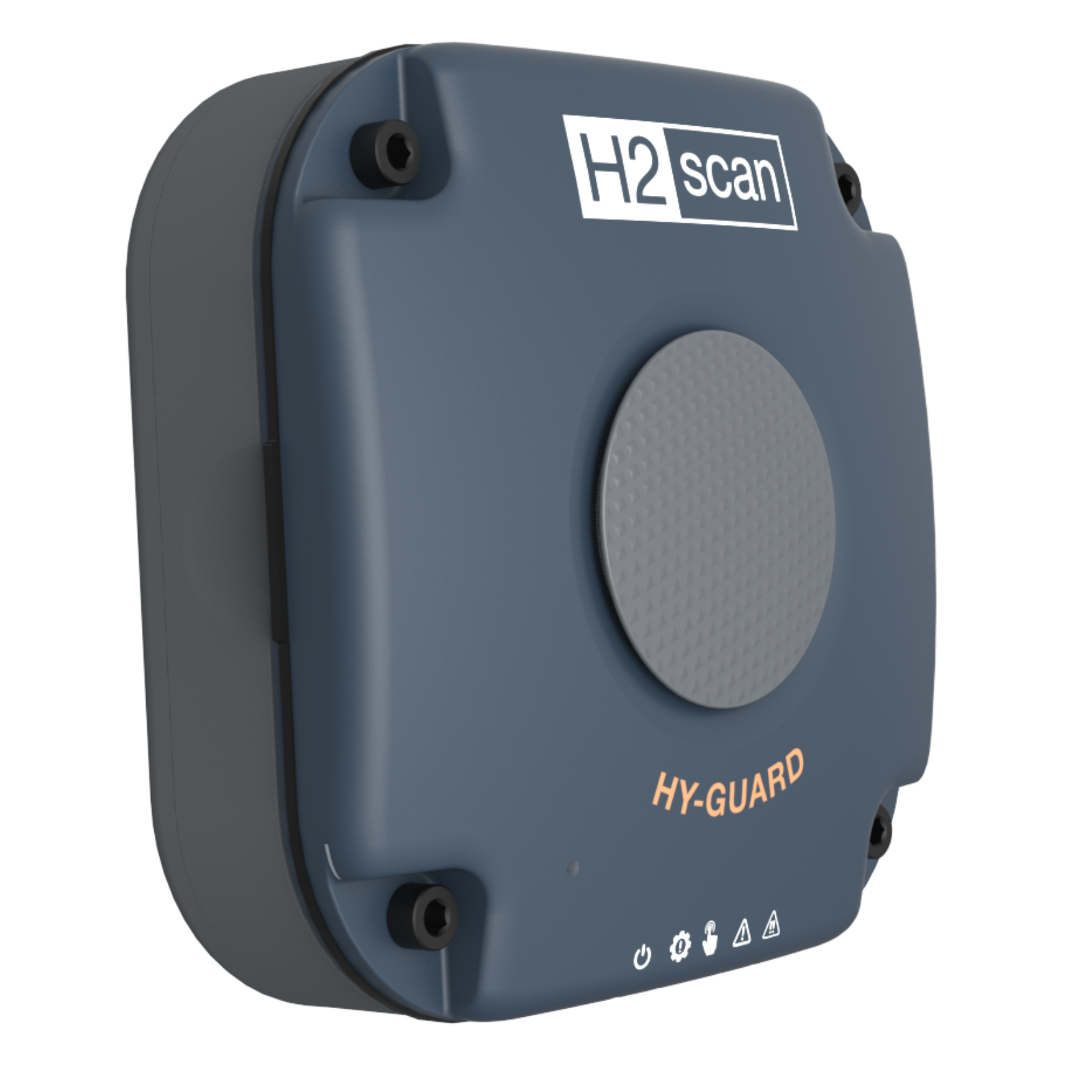
HY-GUARD®
General Location Area Monitor
All-in-one area monitor with customizable communications for battery rooms and standby power. Maintenance-free, with no calibration or replacement parts over its service life.
View product
The U.S. Department of Energy estimates that data center power demand will triple by 2028, driving unprecedented growth in standby power systems across critical facilities. McKinsey analysis shows that average server rack power densities have more than doubled in just two years—from 8 kW to 17 kW per rack—and are expected to reach 30 kW by 2027, with AI training workloads consuming more than 80 kW per rack. Combined with expanding needs in telecommunications, healthcare facilities, manufacturing operations, and emergency services, battery rooms are proliferating across industries to ensure the power supply remains uninterrupted. Yet battery rooms and data centers harbor an invisible danger of hydrogen buildup that existing safety systems may fail to detect.
What sort of danger is present? Wall-mounted or ceiling-mounted sensors display green lights to indicate that all systems are operative, hydrogen monitoring is active and no hydrogen is detected. However, due to a lack of calibration or sensor degradation, drift might have rendered it useless, while the indicator suggests the facility is safe. That battery application and hydrogen sensor for battery room applications appear to be functioning normally, lending a false sense of security.
This dangerous scenario is more common than most realize. During plant visits, industry experts have discovered eight-year-old sensors that have never been calibrated. To remain fully functioning, the older sensor technology in use required calibration every six months. The facilities believed they were protected. They weren’t.
H2scan, a global leader in hydrogen sensor technology with two decades of proven performance, has introduced a solution specifically designed to eliminate this dangerous monitoring gap: the HY-GUARD® Battery Safety Hydrogen Area Monitor.
The increasing reliance on electronic devices and the proliferation of IoT technologies have amplified the need for robust standby power solutions. Simultaneously, the industry faces mounting pressure from increasingly stringent fire safety regulations. The International Fire Code (IFC) and NFPA 855 have emerged as the global standards for energy storage safety.

The evolution of these standards coincides with rising concern among fire and code enforcement officials as new battery technologies, which are more difficult to contain should an incident occur, enter the market. In fact, several high-profile incidents highlight the devastating consequences of inadequate battery safety monitoring.
Industry leaders specifically asked H2scan to apply its proven transformer monitoring technology to address critical safety issues in the battery industry. The message was clear: the market needed an upgrade beyond the current hydrogen sensor equipment.
Traditional gas detection solutions put facilities at risk in ways that most operators are unaware of. Sensors drift out of calibration. They fail silently. Yet most continue to display green lights, creating a false sense of security that provides zero actual protection.
The current market offers only two extremes: cheap, de-featured sensors that lack lifespan or expensive industrial solutions that are expensive to install and offer features battery applications don’t need. Neither option ensures that the sensor works cost-effectively throughout the battery’s service life.
Y-GUARD is H2scan’s hydrogen sensing solution specifically engineered for stationary lead-acid and NiCad battery applications in standby power systems. It brings enterprise-grade reliability from utility transformers and high-end industrial settings to battery rooms at a price point that meets market needs.
The system’s distinguishing feature is continuous self-calibration throughout the sensor’s operational life – certainly more reliable and cost-effective than alternatives that require manual calibration every six months. And if the sensor performance degrades, HY-GUARD immediately triggers an alert — eliminating the false sense of security by providing illuminated indicators on non-functional sensors.

H2scan developed HY-GUARD through extensive voice-of-customer research with battery industry professionals to identify unmet needs and address shortcomings in existing systems. The research revealed a consistent demand for superior sensing technology without the complexity, cost and maintenance requirements associated with industrial gas detection systems.
HY-GUARD’s compact, self-contained design eliminates the external modules, excessive wiring and complex installations that characterize competing solutions for hydrogen detectors for battery safety applications. The modular platform architecture allows customers to configure systems with precisely the features their applications require—from basic relay outputs to advanced communication protocols—avoiding unnecessary costs while maintaining enterprise-grade sensor performance.
HY-GUARD delivers genuine peace of mind backed by continuous self-verification. It’s not about selling the cheapest product to check a compliance box—it’s about providing real protection that facility managers can trust for a decade.
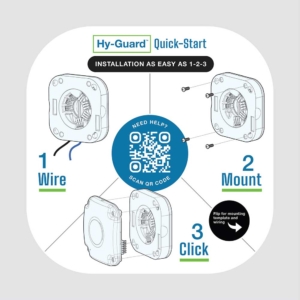
The system enables facilities to confidently meet Fire Code and industry standards while improving operational safety. Installation is simpler with a basic three-step process. Throughout its service life, HY-GUARD continuously verifies its performance, eliminating the risks that plagued previous solutions.
Don’t depend on sensors that might be unreliable or produce false positives or negatives. Upgrade to hydrogen monitoring technology designed for battery applications, backed by 20 years of proven performance in the most demanding environments.
Visit www.h2scan.com to learn more about HY-GUARD and discover how continuous self-calibration can transform your battery room safety program. Contact H2scan today to discuss your specific application and ensure your facility has genuine protection—not just a green light.

About the Author
HY-GUARD®
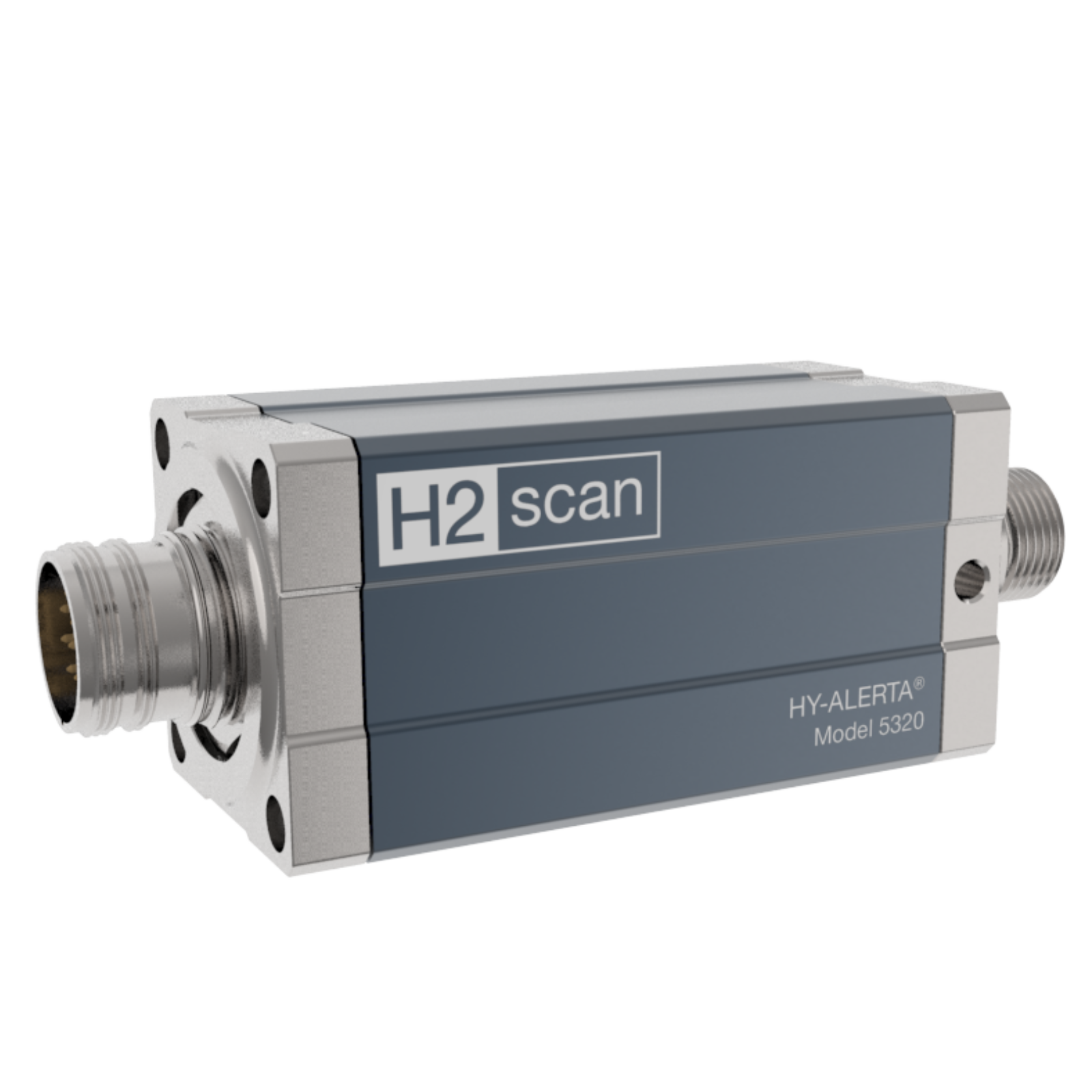
HY-ALERTA® 5320