
Electric forklifts are standard infrastructure, and many locations do not have a plan to mitigate hydrogen in the event of a battery, charger or ventilation fault. Regulators, insurers and corporate EHS are steadily raising expectations for gas detection due to the ability to become explosive at 4%. The dangers with hydrogen your electric forklifts are emitting:
- Odorless, colorless and easy to underestimate
- Migrates upward and collects in ceiling pockets
- Hydrogen can be detected before poisonous hydrogen sulfide is generated
- Prone to set off false alarms in cross-sensitive gas detectors
- Failure to comply with OHSA, NFPA and local compliance

Start Today
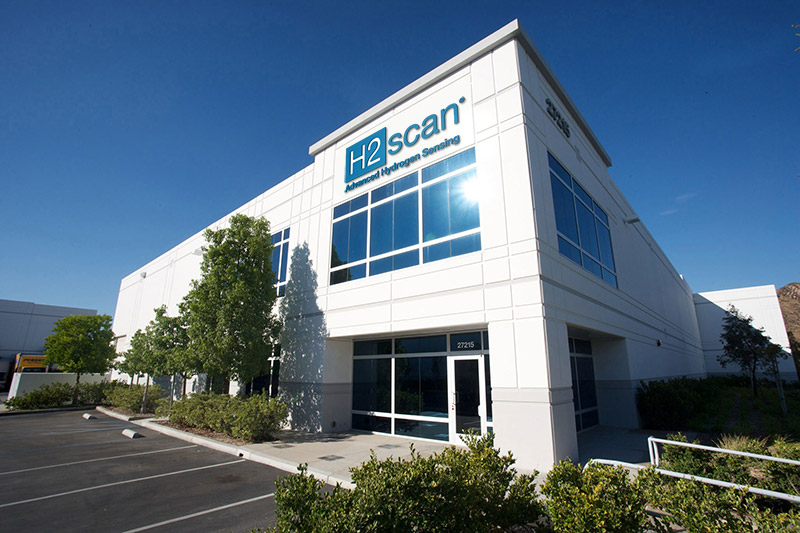
Why H2Scan
- Global leader in hydrogen sensing solutions
- Monitoring solutions to numerous mission-critical sectors
- Dozens of patents awarded for core technologies
- Over one billion hours of field-proven service…and counting
- Committed to emission reduction and responsible mineral sourcing
- Hydrogen economy enabler and pioneer
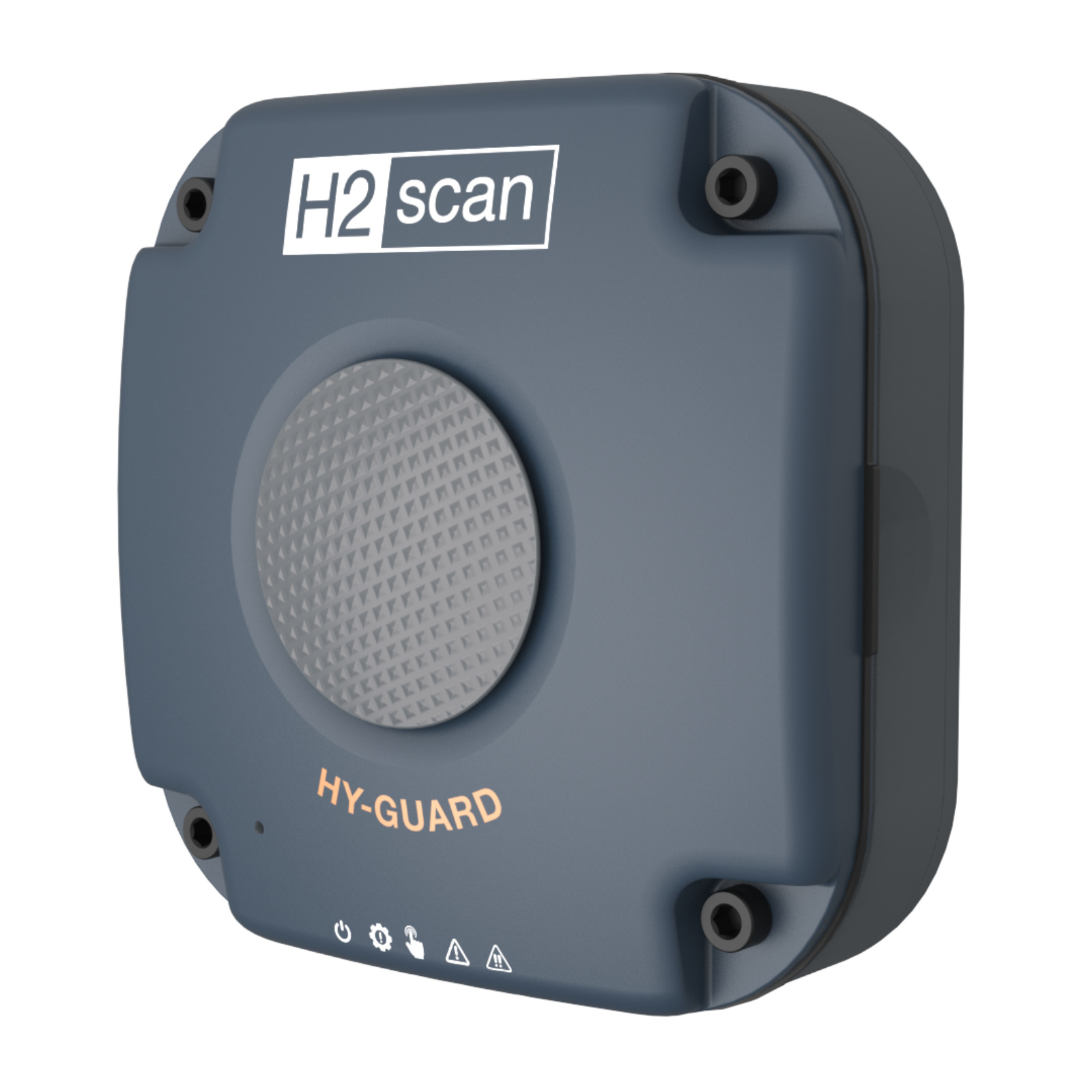
What should you expect from your hydrogen area monitor?
- High accuracy over the operating life of the product
- Self-calibrating and maintenance-free solution that does not require periodic calibration
- Compliant with codes and regulations, including NFPA and OSHA
- Immunity to cross-contamination from other gases (no false readings)
Contact an Application Specialist
Why Use Hydrogen Sensors to Protect Your Assets?
- Early detection of leaks: Hydrogen sensors provide real-time alerts enabling prompt action to hydrogen buildup.
- Fire and explosion prevention: Monitoring hydrogen levels minimizes the risk of flammable gas accumulation, reducing the chance of catastrophic events.
- Regulatory compliance: Hydrogen sensors aid in safety standards compliance, avoiding fines and potential for denied insurance claims in the event of a failure.
- Equipment protection: Sensors safeguard critical infrastructure, such as battery rooms and transformers, from damage caused by undetected hydrogen build-up.
- Improved workplace safety: Ensuring a safe environment for employees reduces the risk of injury and liability.
- Cost savings: Avoiding damage or downtime lowers repair and replacement costs and minimizes operational disruptions.
- Enhanced risk management: Hydrogen sensors provide a proactive approach to risk mitigation, improving safety and security protocols.
- Industry-specific applications: Ideal for energy, manufacturing, and transportation sectors where hydrogen is frequently used or produced.
- Reliable performance: Advanced hydrogen sensors offer high accuracy and durability in demanding environments.