
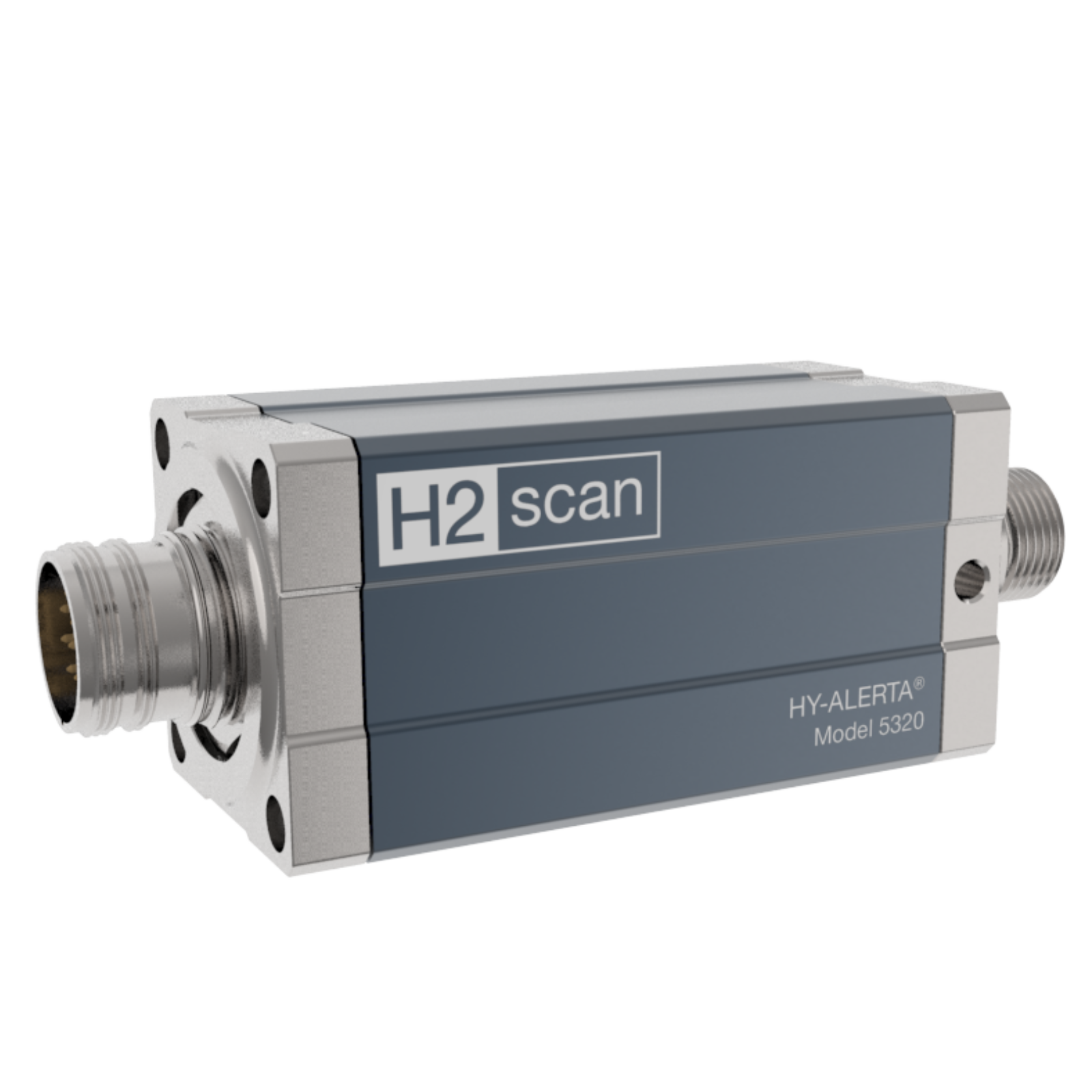
HY-ALERTA® 5320
Intrinsically Safe Area Monitor
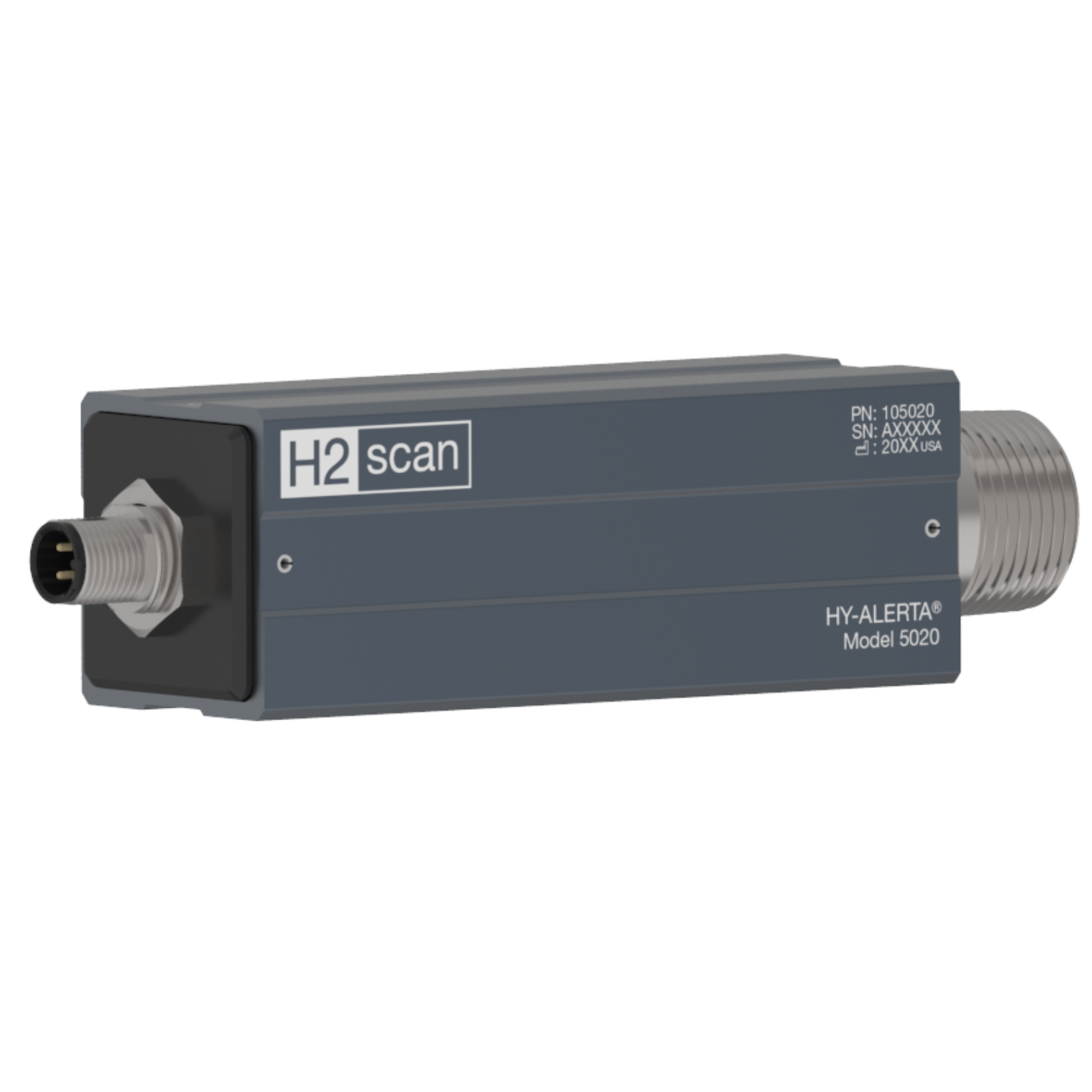
HY-ALERTA® 5020/5021
Solid-State General Location Area Hydrogen Monitor
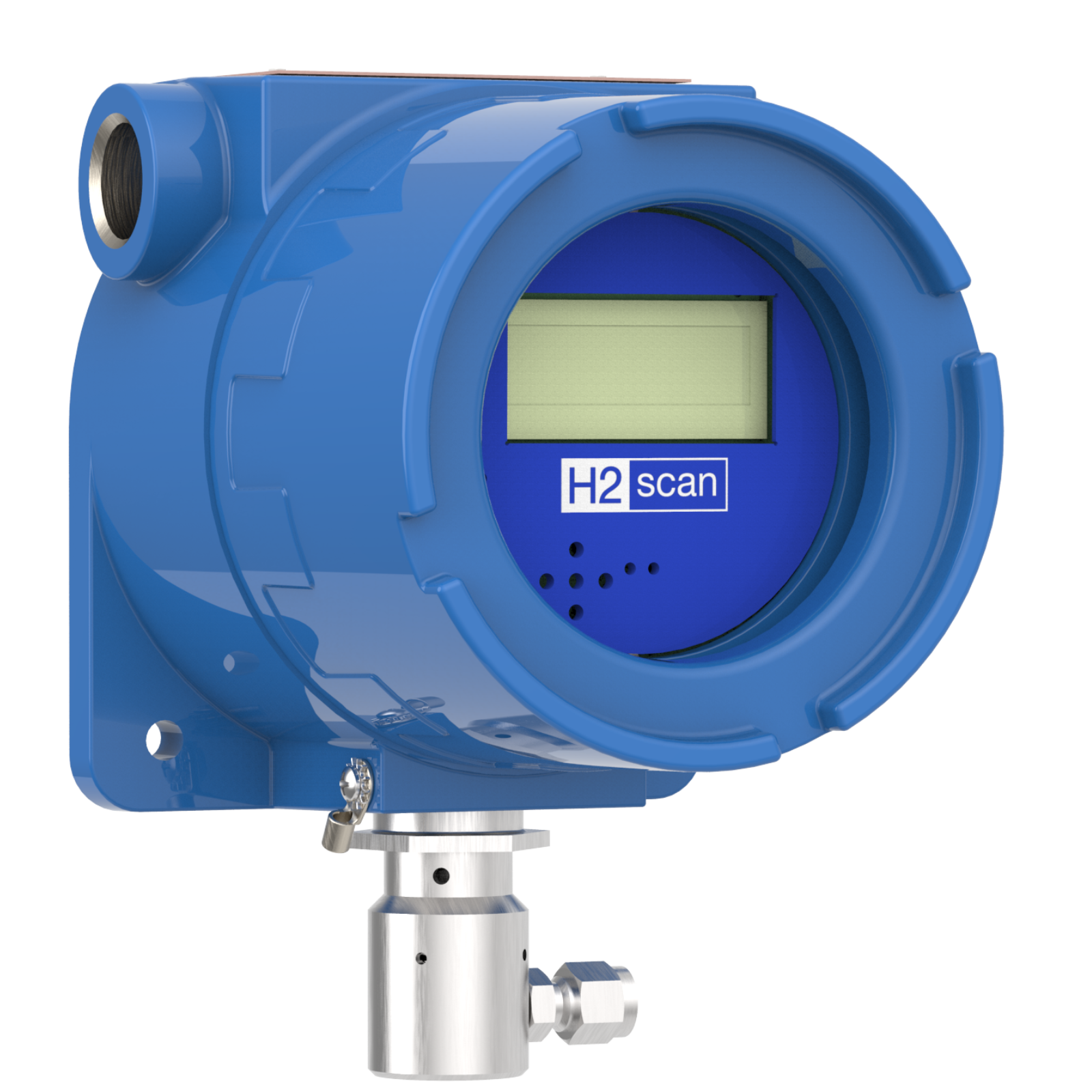
HY-ALERTA® 2620
Explosion Proof Area Hydrogen Monitor
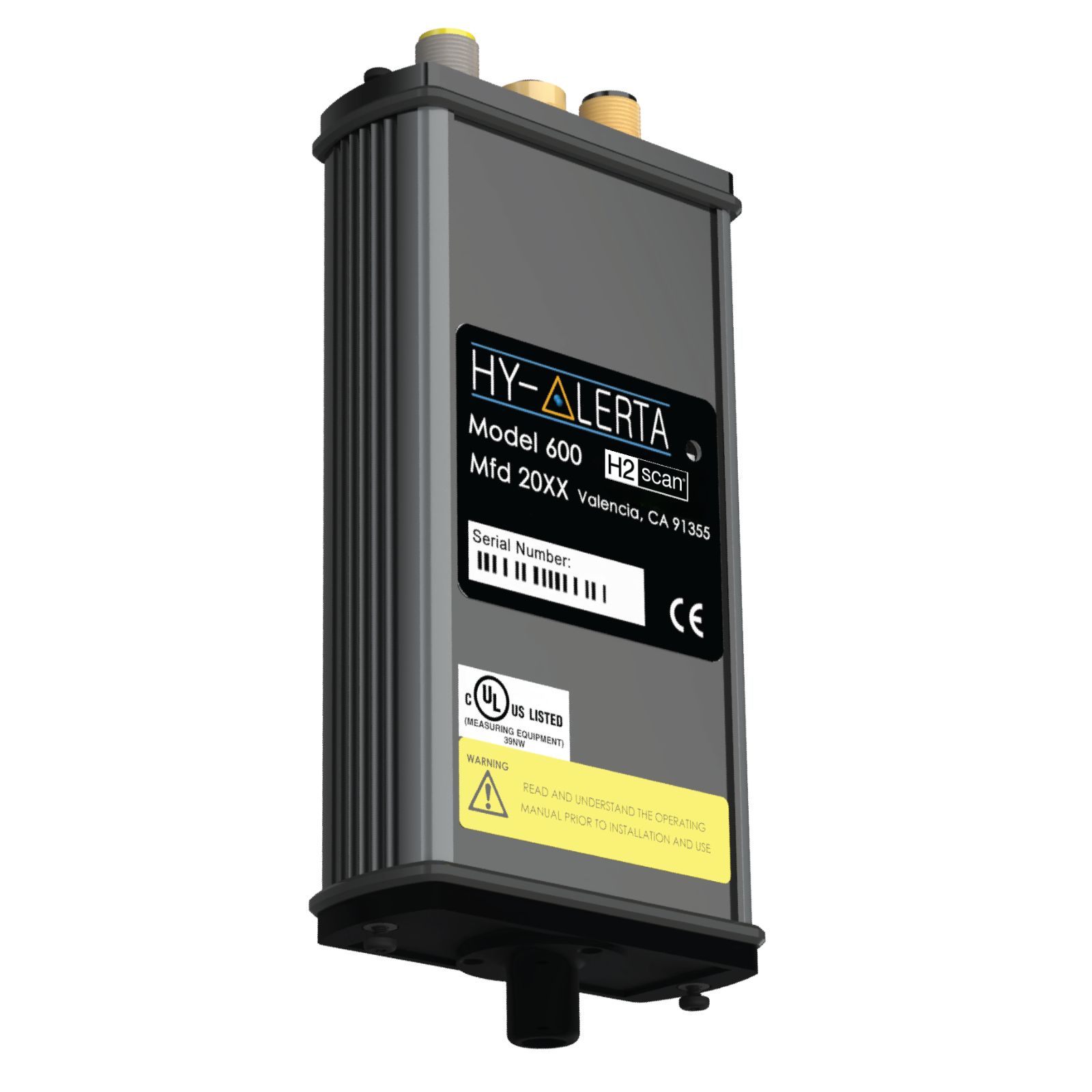
HY-ALERTA® 600B
Fixed Area Hydrogen Monitor
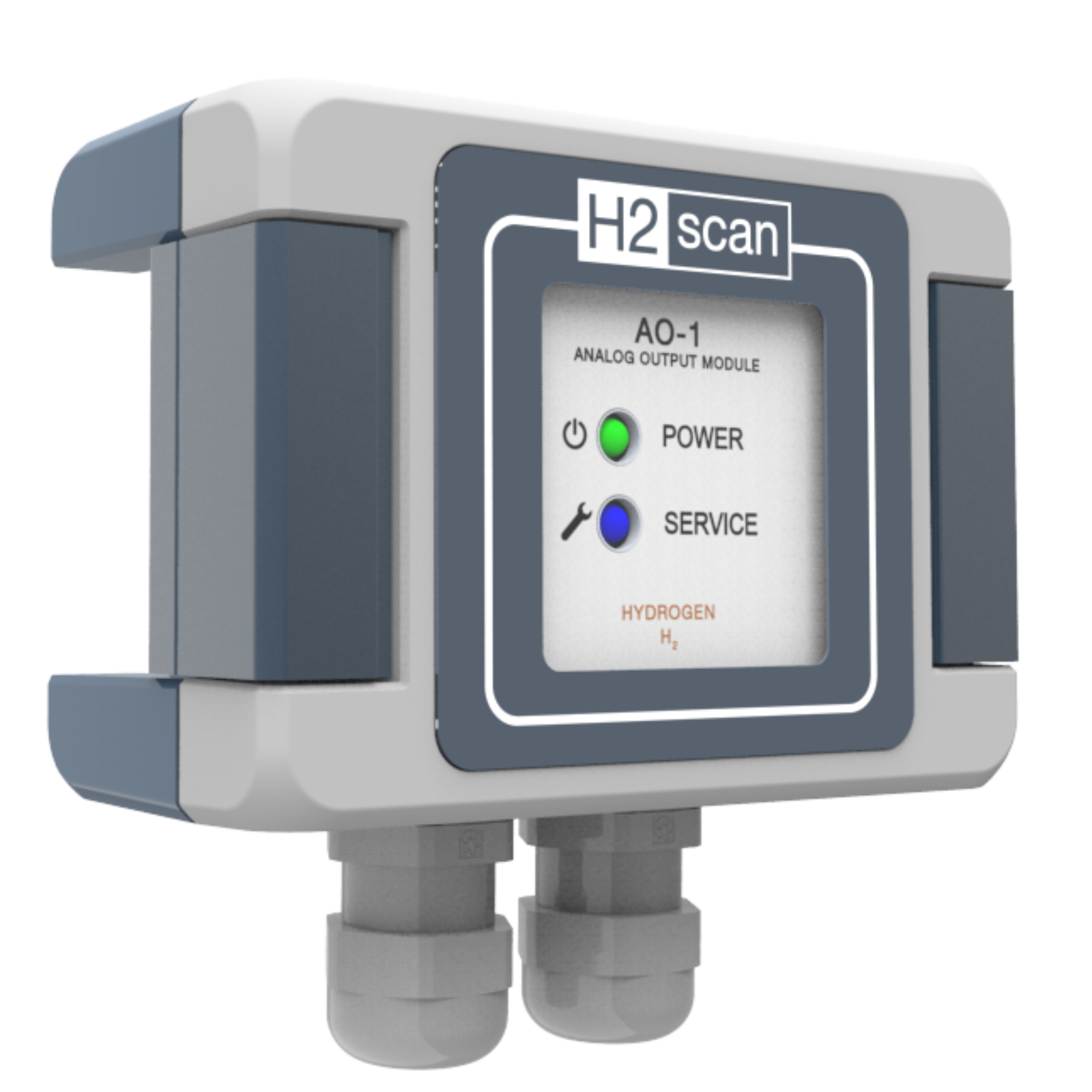
HYAO-1
Analog Output Module
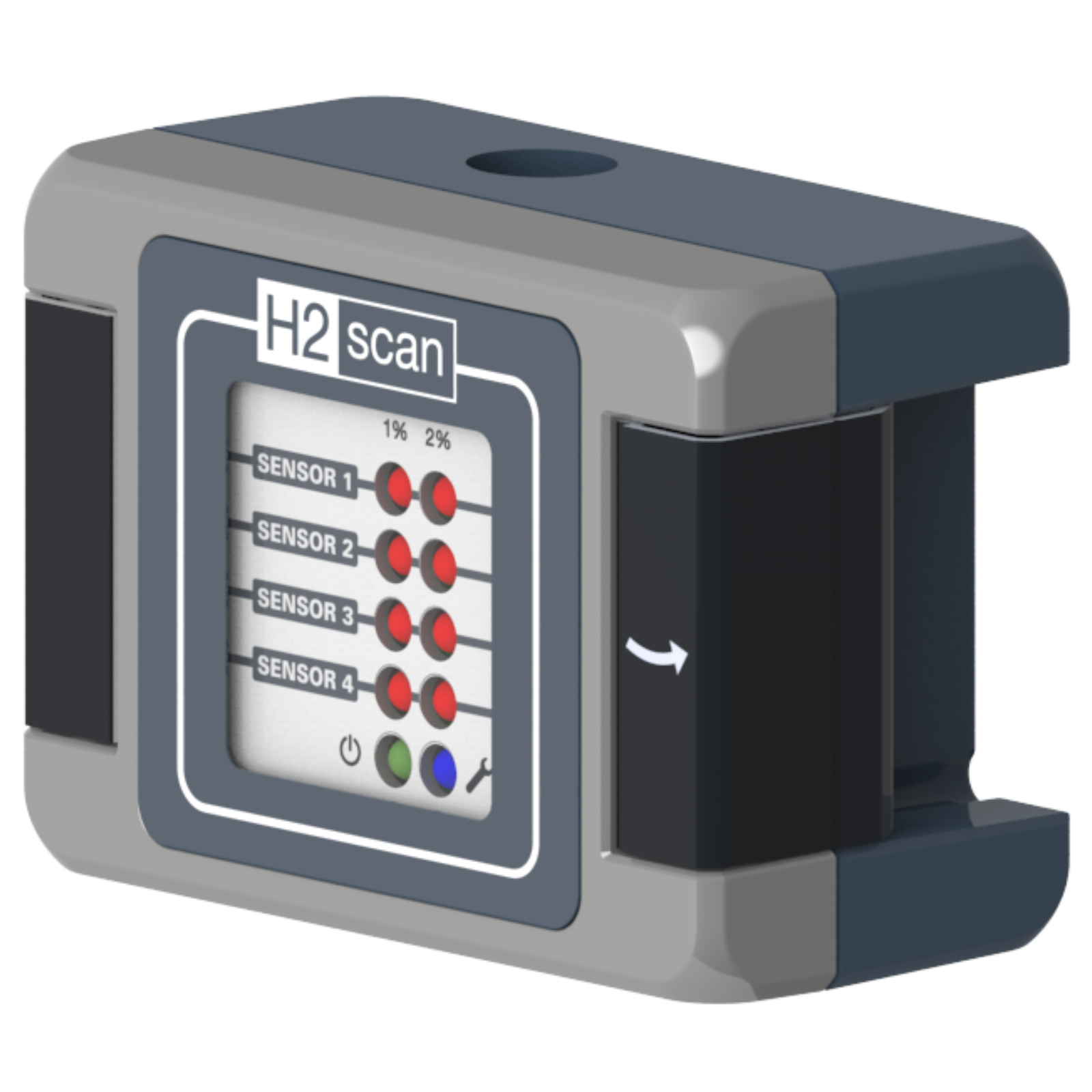
BRO-1
Battery Monitoring Relay Module
Line Card: Hydrogen Safety Monitors | Battery Safety Systems • Product Catalog: Process and Safety | Battery Safety Systems
Frequently Asked Questions
Where should a hydrogen detector be placed?
An area monitoring hydrogen detector should be placed close to the source of the potential leak or where hydrogen is likely to accumulate. It should also consider forced or natural airflow in the space. The hydrogen sensors (detectors) should be placed in the path of that natural airflow, so near vents or as identified above, in or near dead spaces.
How do you detect a hydrogen leak?
Detecting a hydrogen leak requires specialized sensors that measure hydrogen concentrations in the air. The sensors are installed in proximity to the source of the hydrogen leak, or in locations where hydrogen is expected to accumulate. Good hydrogen sensors can discern between hydrogen and other gases (they do not have cross sensitivity to most industrial gases, and will provide an accurate measurement of just the hydrogen
How high should a hydrogen gas detector be?
A hydrogen gas detector should be as high and close to suspectable lead areas or areas where the hydrogen is likely to accumulate.
What level does the H2 gas detector alarm at?
The H2 gas detector alarm threshold levels depend on the use case. The typical H2 gas level alarm limits are 1% and 2%. But these limits may be different depending on the requirements of the Authorities Having Jurisdiction (AHJs). They could also be different for more demanding applications.