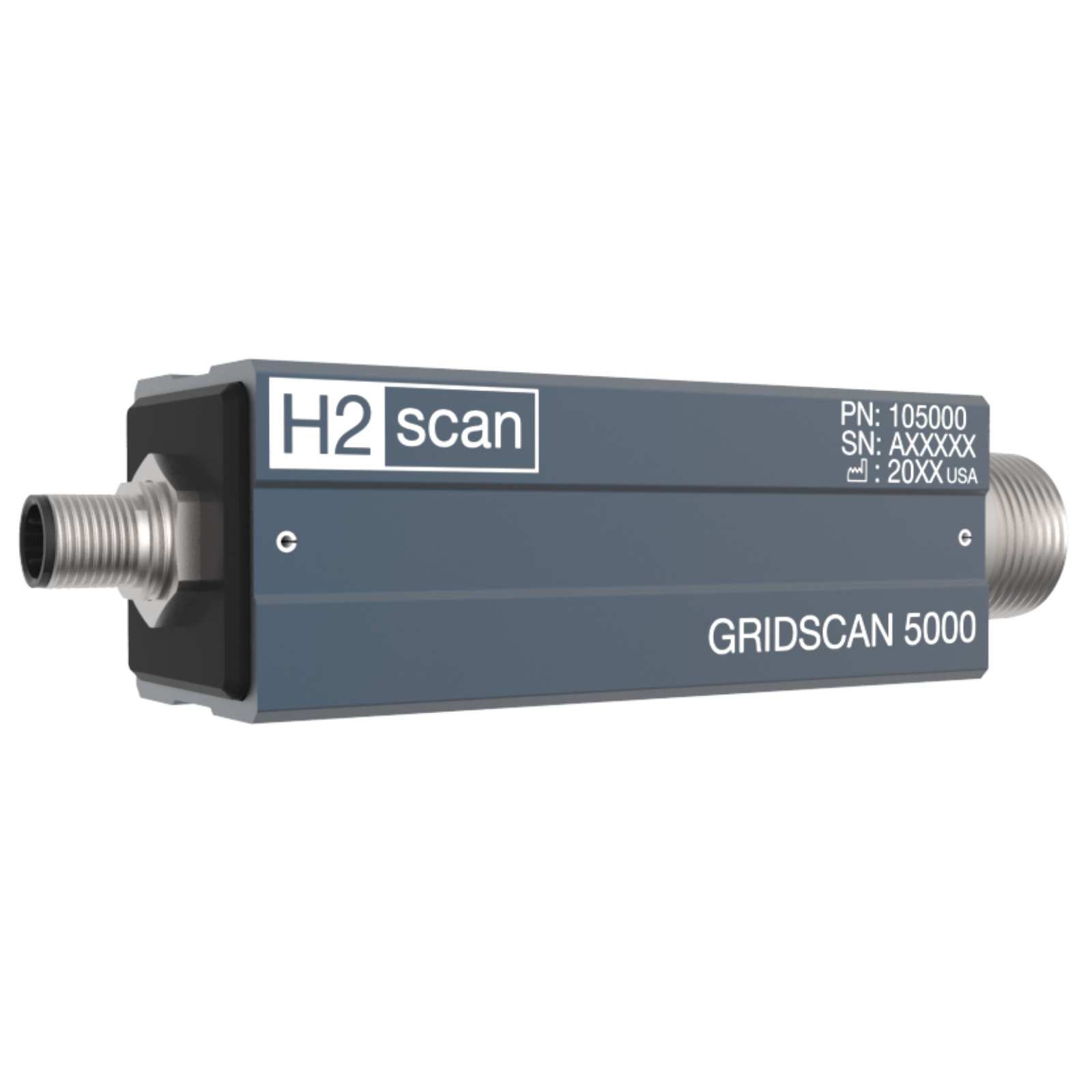
GRIDSCAN® 5000 Series
Hydrogen Sensor
Precision hydrogen measurement at low cost for utilities and OEMs. No calibration or maintenance for up to 10 years; over 15,000 sold with no after-sale calibrations since 2012.
View product
How H2scan’s hydrogen monitoring technology can help get in front of potential transformer failures.
On March 20, 2025, at 23:23 GMT, a catastrophic fire erupted at the North Hyde electrical substation in Hayes, north of Heathrow Airport. The high-voltage transformer explosion severed power to Europe’s busiest airport and over 63,000 homes, disrupted more than 1,350 flights, and caused economic losses estimated at £60-120 million (~$70-150 million US) in just one day. The airport remained shuttered for 18 hours, with approximately 150 people evacuated from properties surrounding the substation.
But what if this disaster could have been prevented?
In fact, the electrical power industry has begun to adopt new hydrogen sensing transformer monitors that acts as an early warning system for liquid-filled transformer operating health.
As a leading producer of high-performance hydrogen sensor solutions, H2scan’s patented, proven technology is today used by utilities for transformer management, by the chemical industry to optimize hydrogen processes, and for safety monitoring in enclosed areas such as data centers and battery energy storage rooms where the presence of hydrogen leaks occur.
The Heathrow incident, while still under investigation at this writing, highlights three critical issues:
These factors have prompted progressive power utilities and industrial transformer owners to implement early detection programs using hydrogen-based single gas transformer monitors.
Hydrogen is the first gas released during a transformer abnormality, so monitoring hydrogen production in a transformer is a reliable indicator of evolving issues. It is produced 3-10x faster than other gases during thermal and electrical events. Its low oil solubility causes rapid migration through the insulating fluids, making it the ideal early warning indicator. Many transformer operators are now implementing single gas transformer monitors as part of their fleet management initiatives, one intended to extend transformer lifespans.
“While we don’t know the precise cause of this transformer failure, we do know that many progressive power utilities and transformer operators have begun to rely upon single gas monitoring, a cost effective technology that brings the visibility needed to avoid catastrophic failures of all transformers,” said H2scan CEO David Meyers.
H2scan, the world’s leading hydrogen sensor provider with more than 700 million hours of transformer monitoring experience, offers proven technology that utilities and industrial transformer operators rely upon to detect faults weeks before failure to identify transformers that require preventative maintenance.
Investigation into the root cause of the Heathrow failure is under way, but likely causes reported by the UK press points to several potential contributing factors:
“Based on what we have read, The the transformer likely would have experienced progressive deterioration before catastrophic failure, and H2scan’s continuous monitoring would have detected the buildup of hydrogen and alerted authorities to the impending failure in advance” Meyers went on to say.
H2scan’s new GRIDSCAN family of transformer monitors contains advanced monitoring and alert features that are critical for those charged with transformer health. For the first time, this level of proactive monitoring is both effective as well as affordable to deploy on a widespread basis throughout an entire transformer fleet:
A Caribbean utility deployed the company’s earlier-generation GRIDSCAN 5000 on a 24 KVA transformer, that detected the rapid production of hydrogen. Laboratory analysis confirmed these readings, and inspection of the transformer revealed severe winding damage. The transformer was replaced before catastrophic failure, minimizing the safety risk and avoiding the time and cost to replace the transformer.
GRIDSCAN provides detailed insights without requiring transformer outages or physical access to internal components.
The true cost of aging grid infrastructure isn’t just maintenance—it’s the catastrophic failures that result from failing to act on information that could have been provided from monitoring.
The Heathrow transformer explosion stands as a stark reminder of the potential advantage of incorporating innovation in critical infrastructure monitoring. As utilities face increasing pressure to maintain aging infrastructure while supporting decarbonization initiatives, technologies like H2scan’s represent not just a safety enhancement but an economic imperative.
GRIDSCAN® 5000 Series
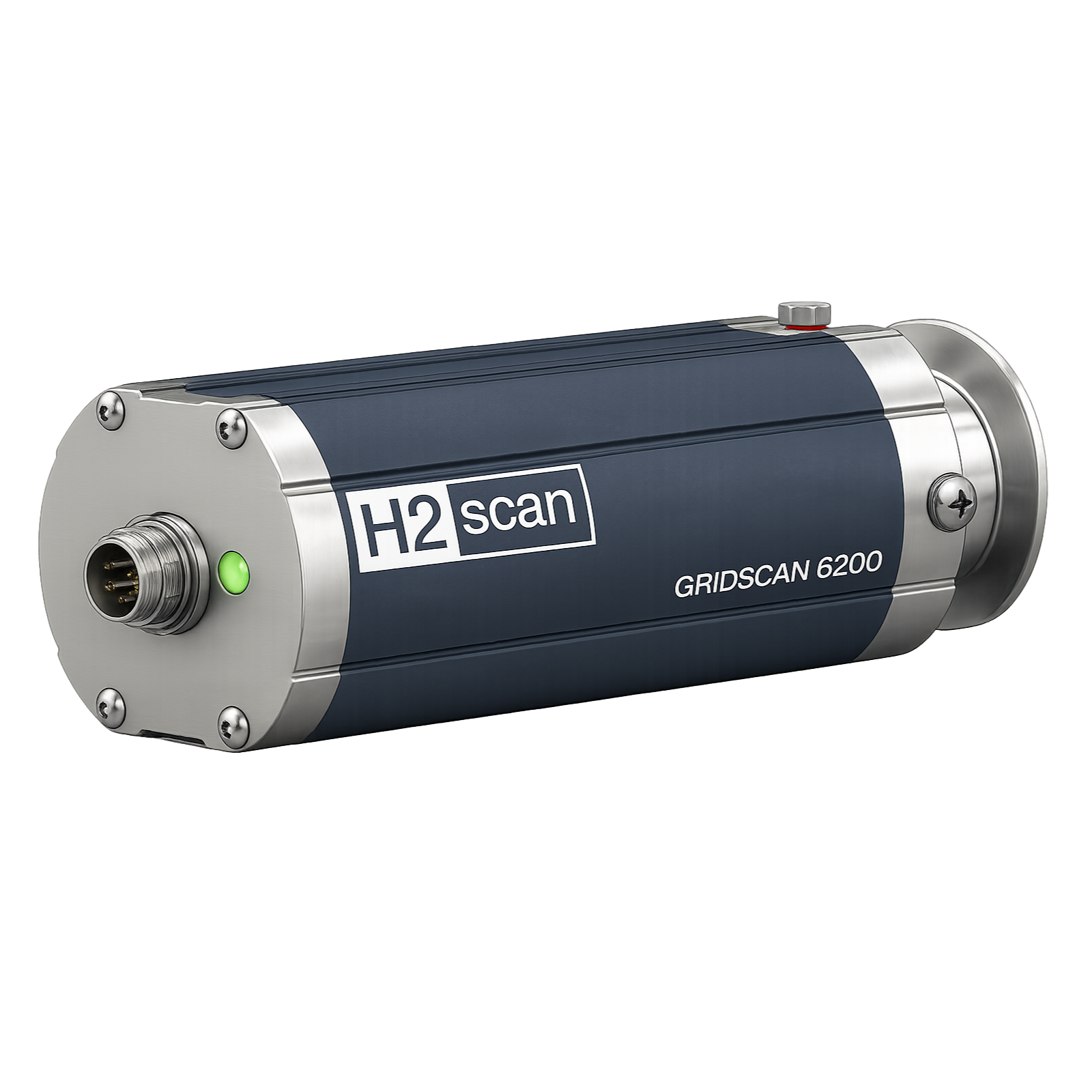
GRIDSCAN® 6200
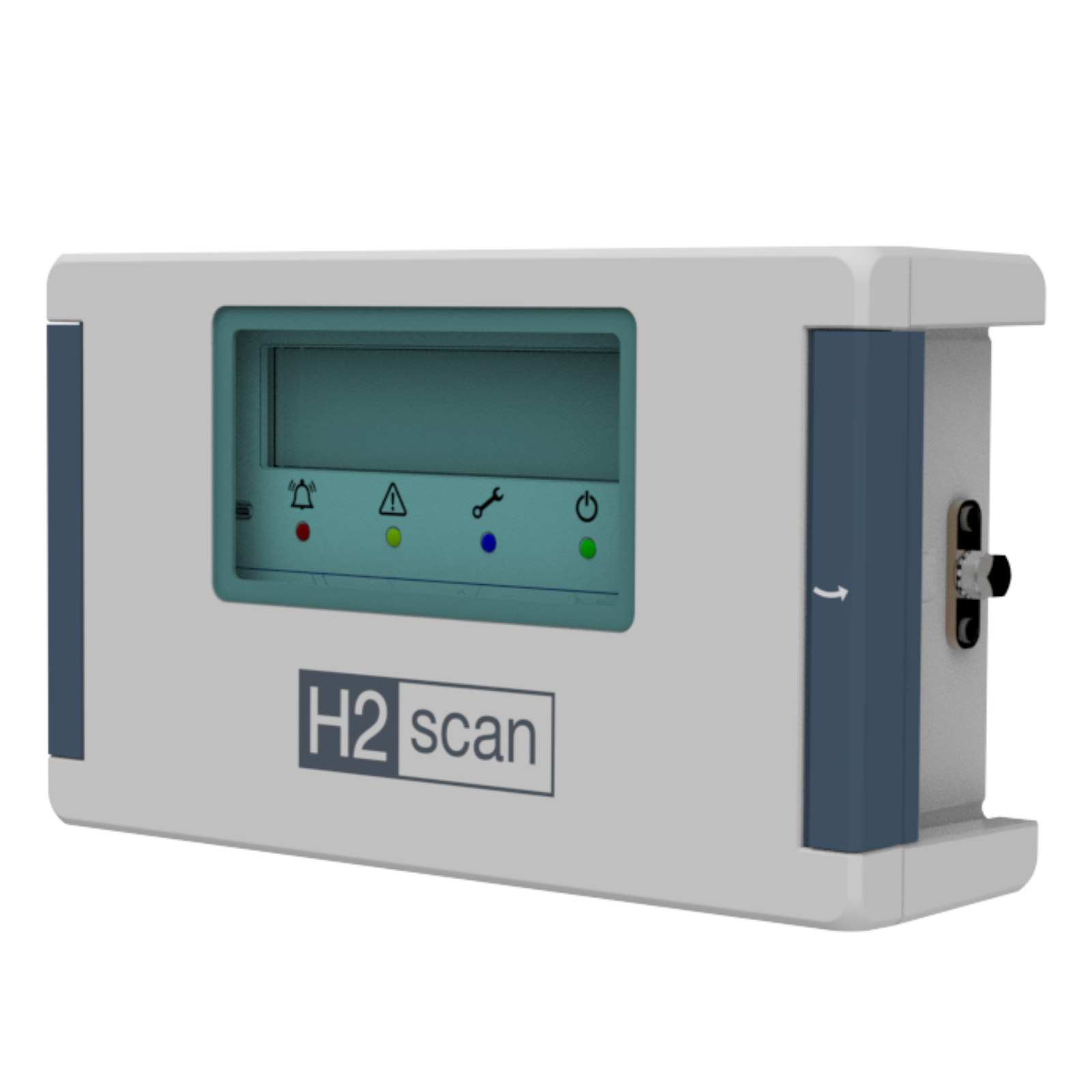
GSAO-2
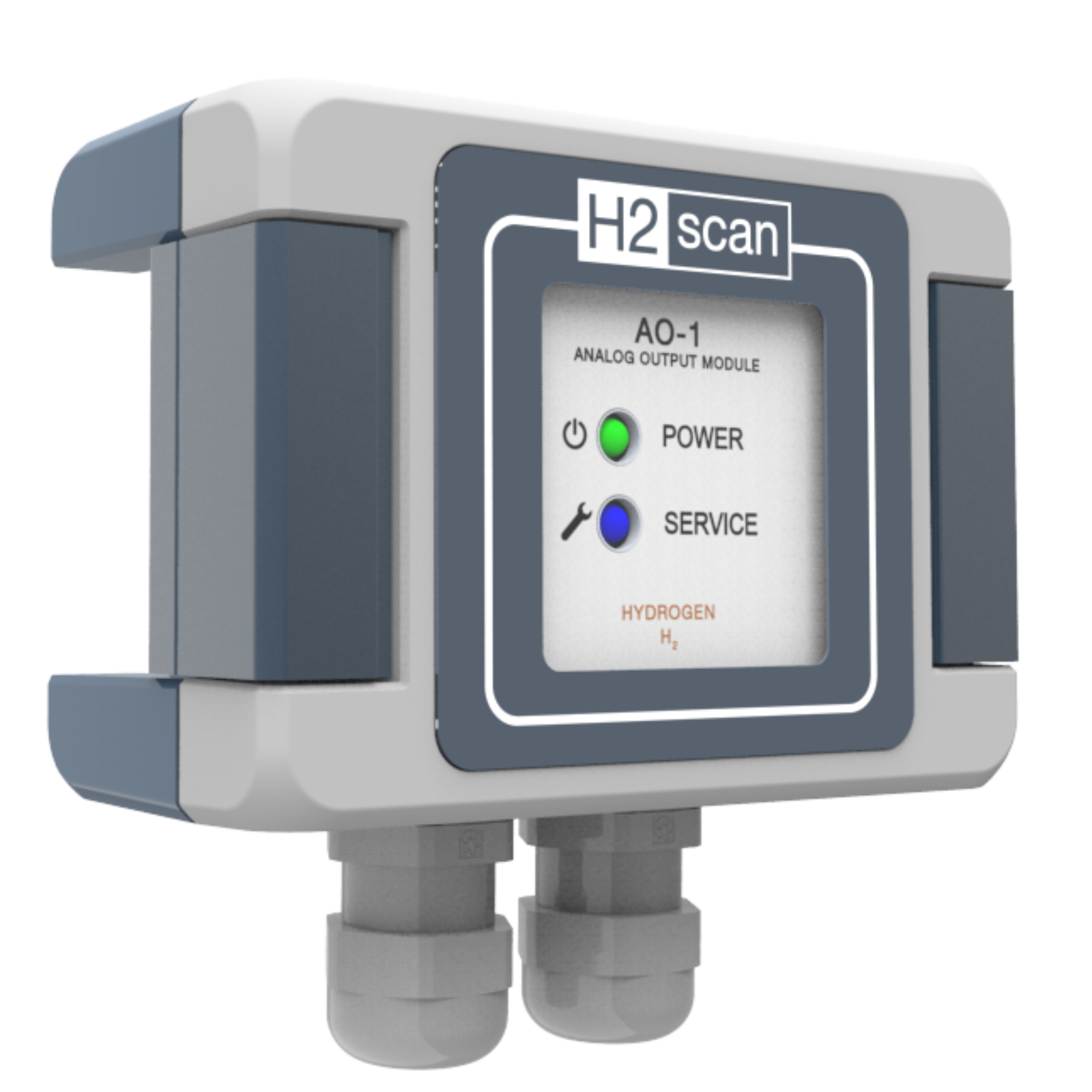
GSAO-1