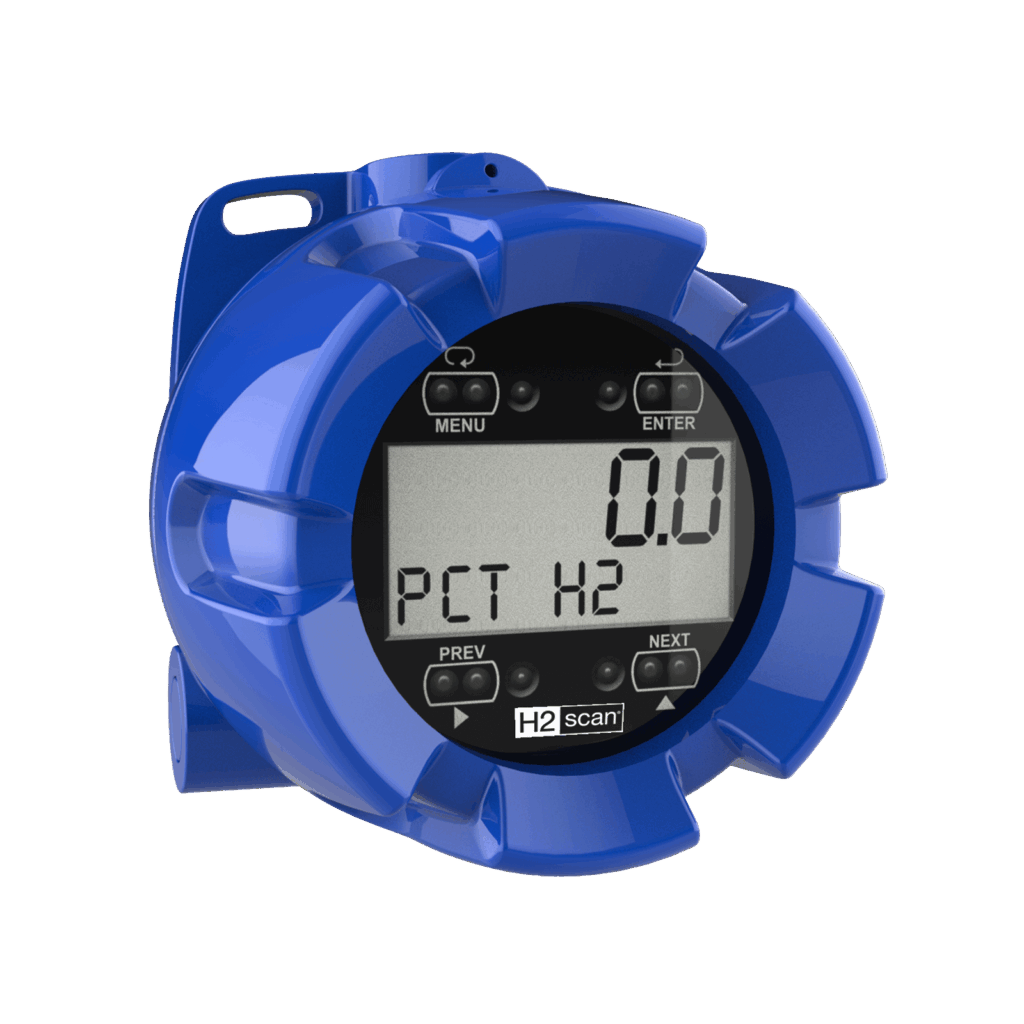
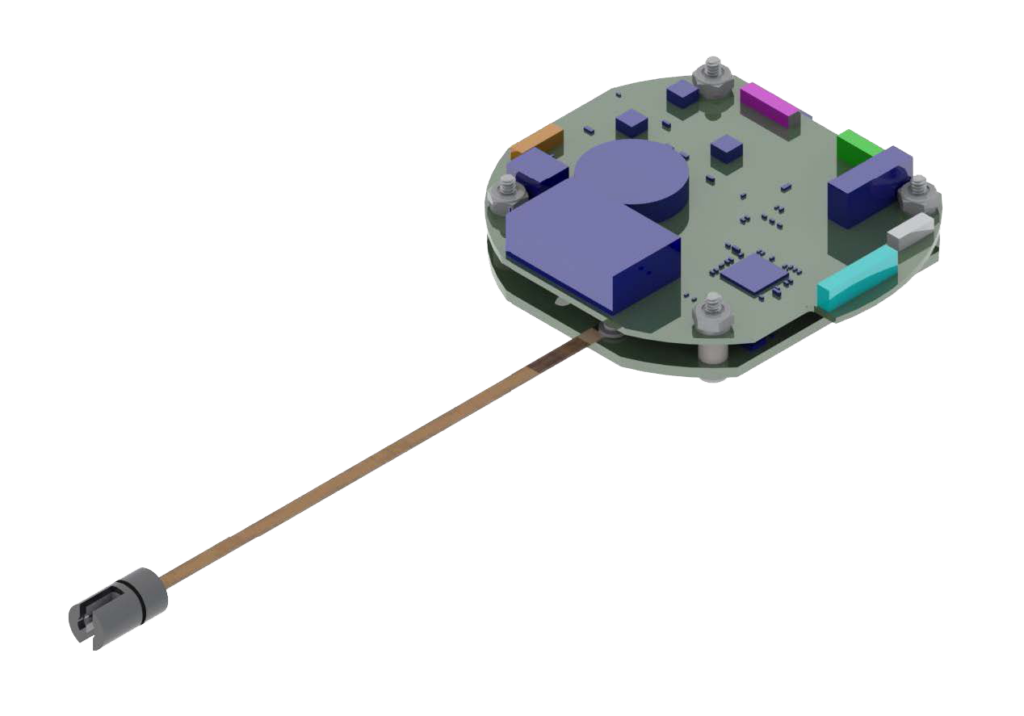
Utilities are under more pressure than ever: an aging grid, surging electrification and the drive to decarbonize, all while keeping power safe, affordable and always on. The transformers carrying that load are expensive, hard to replace and prone to failing with little warning — replacement costs and lead times have risen sharply in recent years. Most faults progress from first symptoms to failure in around six months, yet traditional lab oil sampling happens only every one to four years. H2scan closes that gap. Continuous single gas (hydrogen) DGA monitoring gives operators early visibility into the health of their most critical assets, so they can prevent unplanned outages, extend asset life and run a more resilient grid with confidence — across transmission, distribution and generation.
Hundreds
of utility customers
rely on H2scan across their most critical assets
Thousands
of sensors
actively monitoring hydrogen for utility fleets
Decades
supporting utility customers worldwide
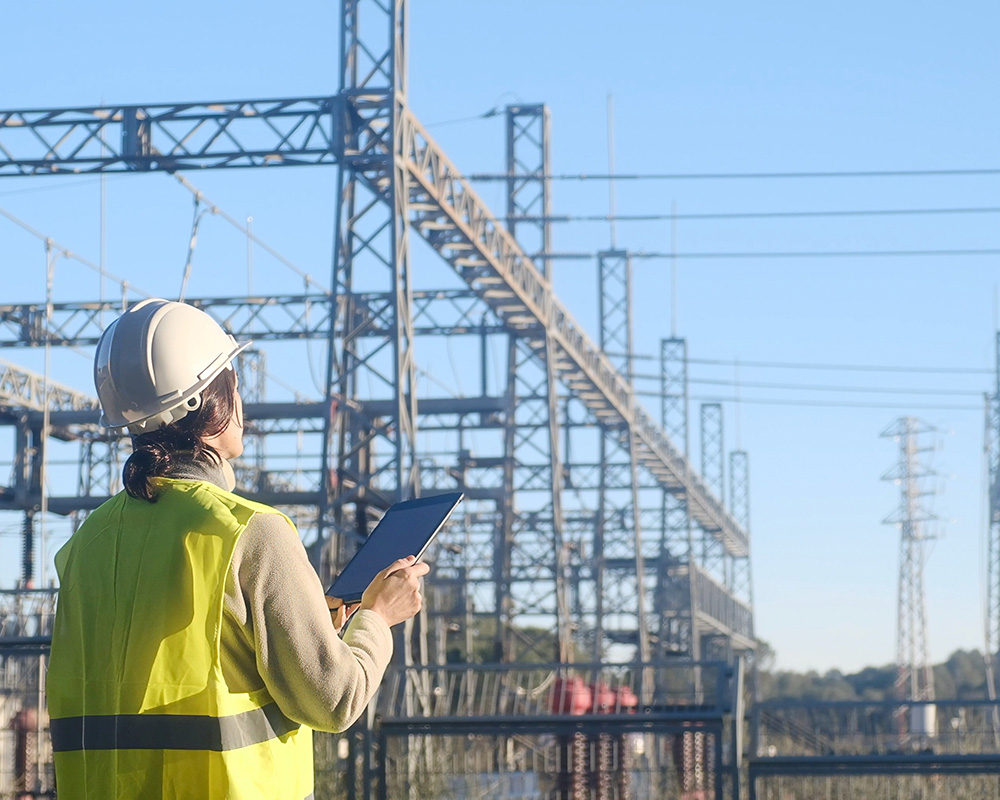
From a single critical transformer to a fleet of thousands, H2scan helps you choose the right monitoring, integrate it, and act on real-time data.
Decades of utility transformer monitoring. 1.3+ billion sensor hours in the field. Self-calibrating, hydrogen-specific solid-state sensing — the approach that finally makes fleet-scale continuous monitoring affordable.
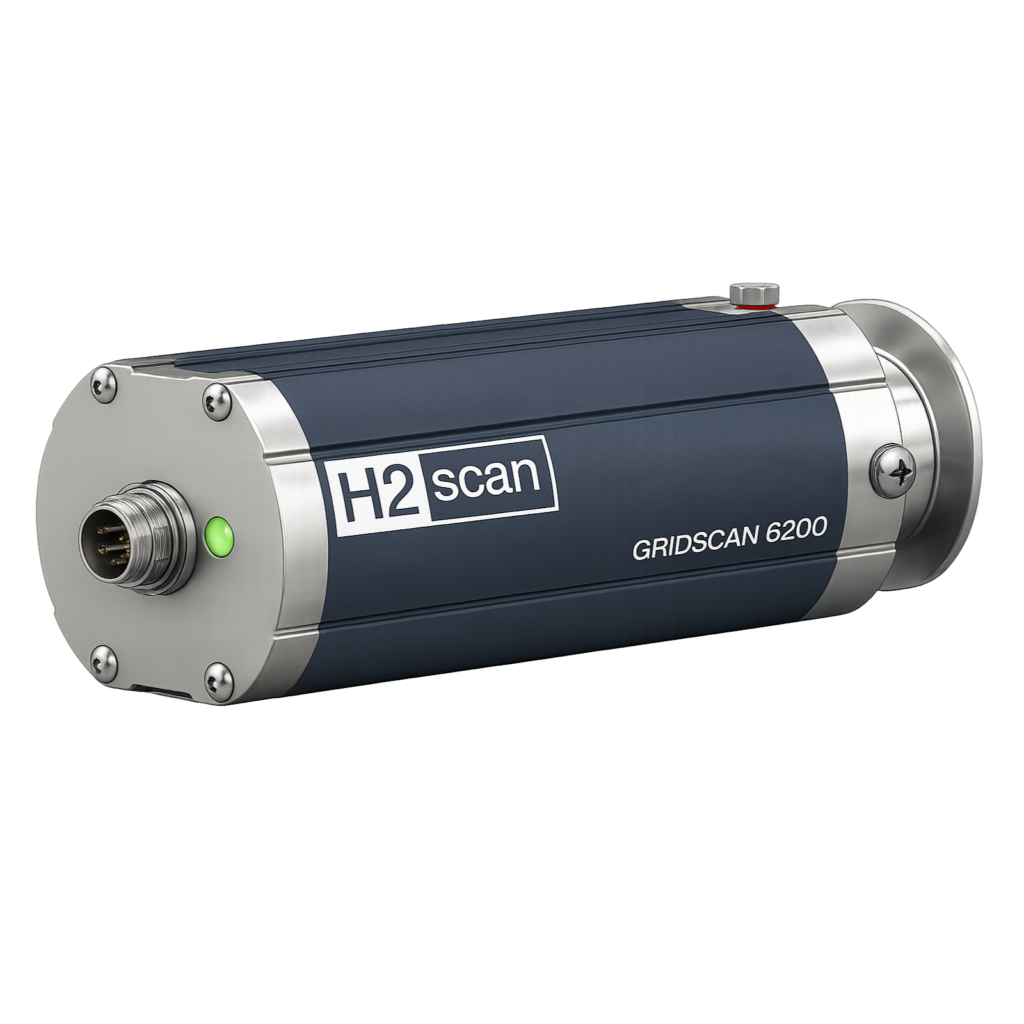
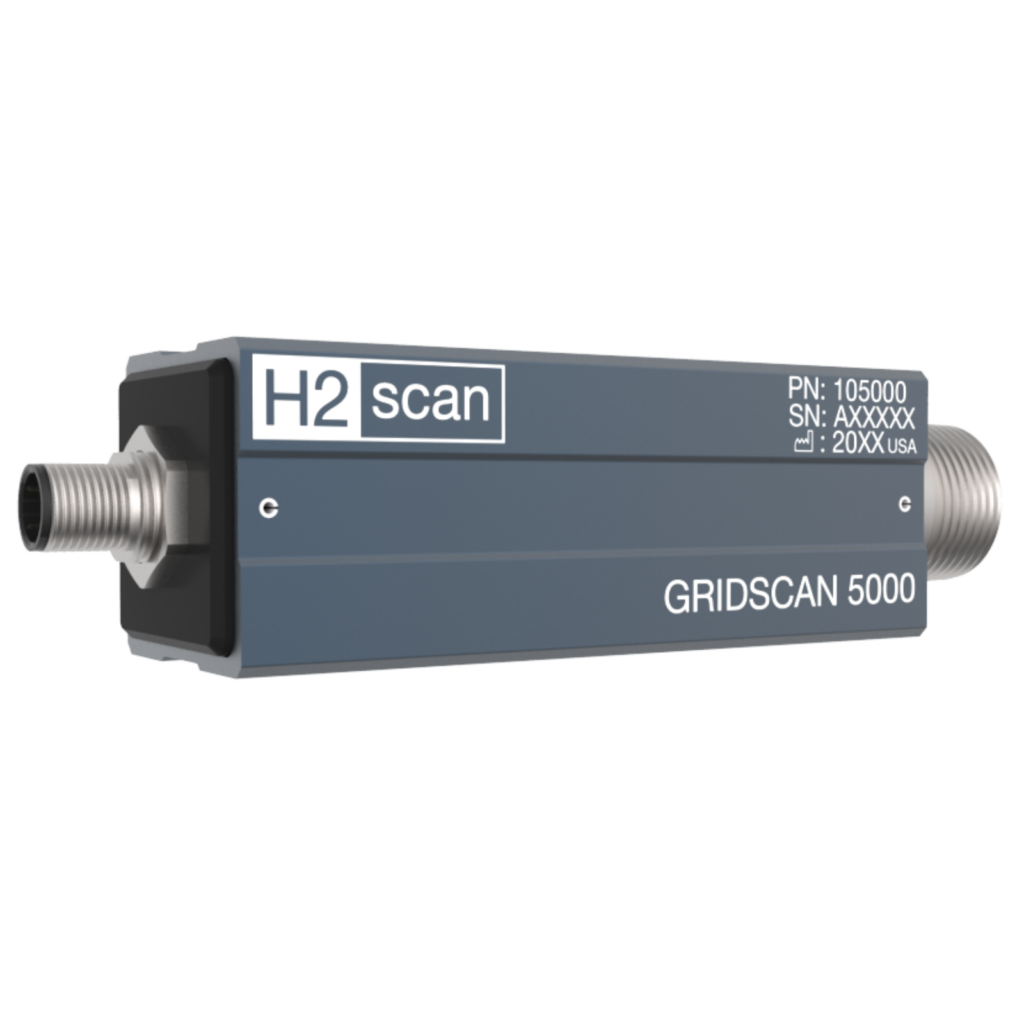
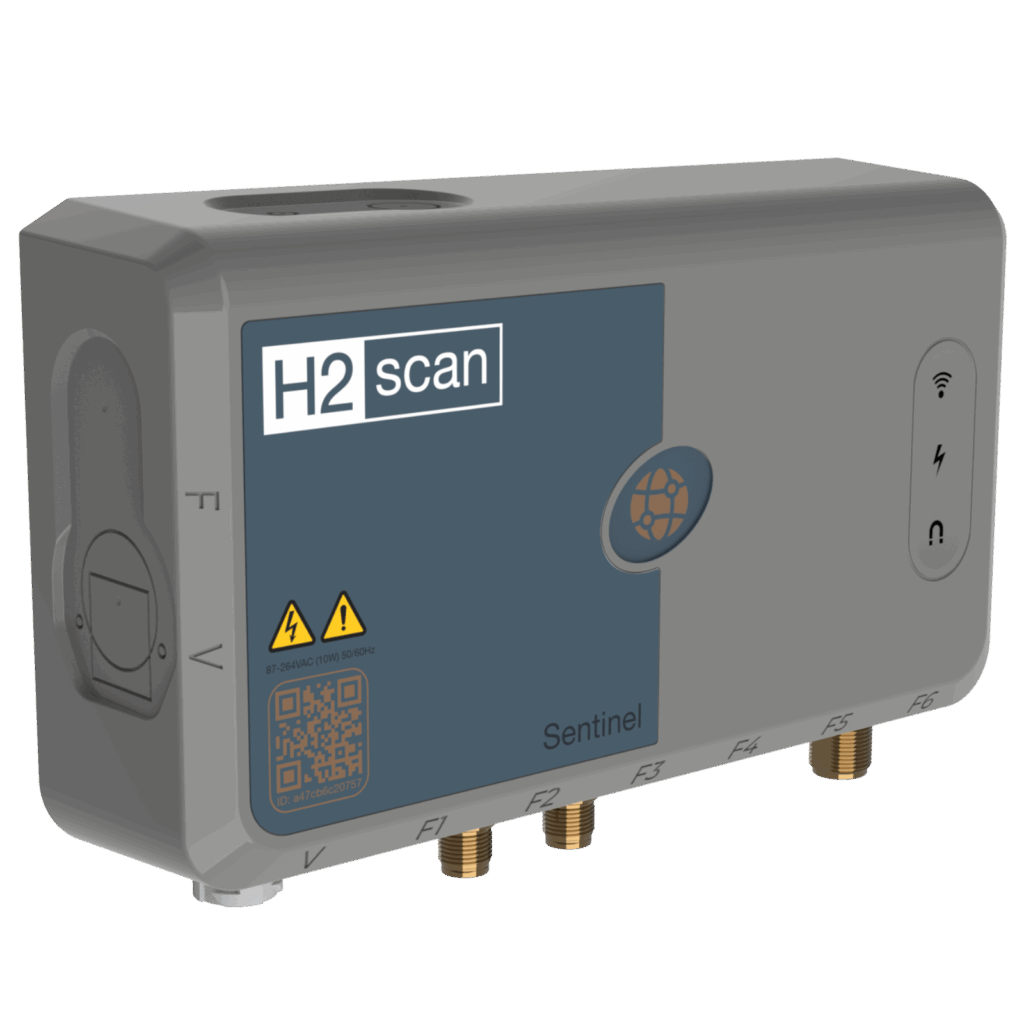
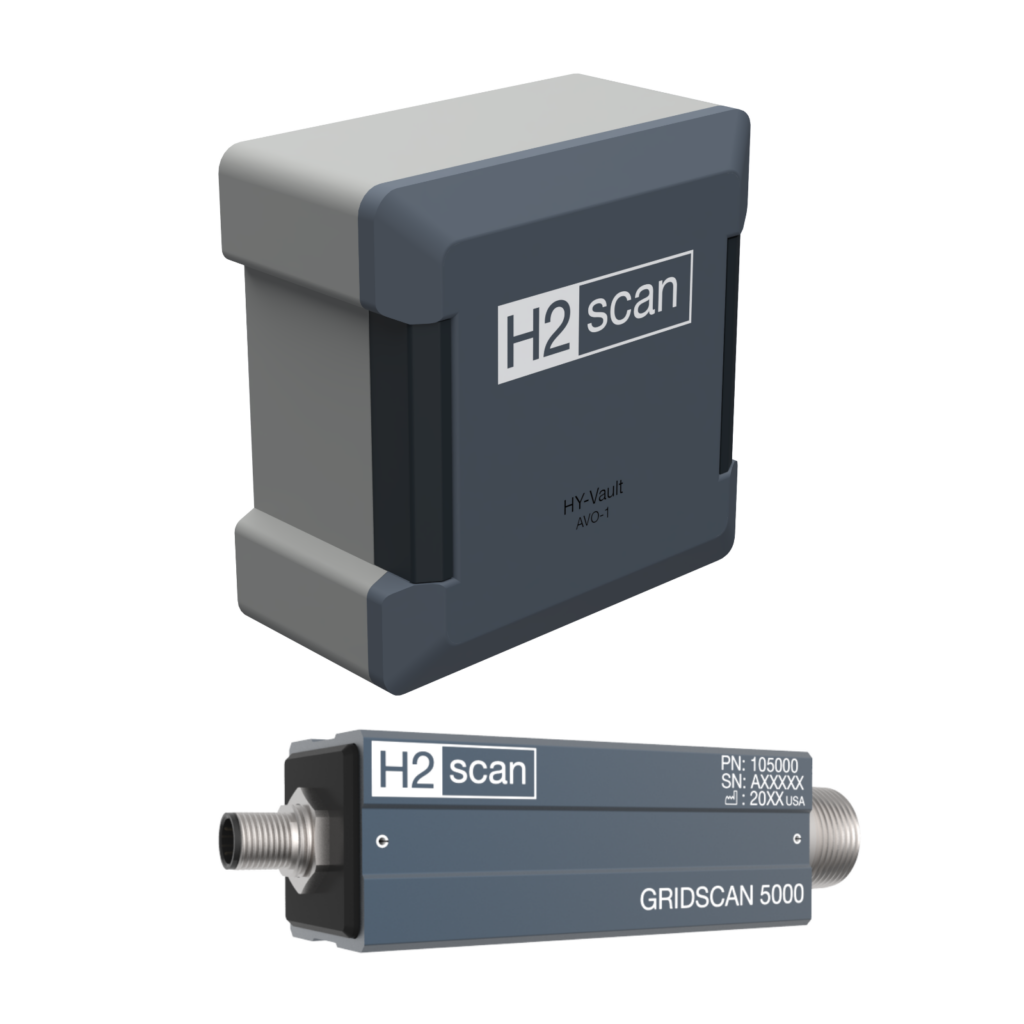
H2scan’s GRIDSCAN® 5000 and 6000 series give utilities an affordable, self-calibrating way to monitor transformers continuously. Where traditional online DGA has been cost-effective only for a handful of critical units, GRIDSCAN makes fleet-wide monitoring practical — flagging an abnormality early so teams can plan maintenance, optimize schedules and extend the life of the fleet.
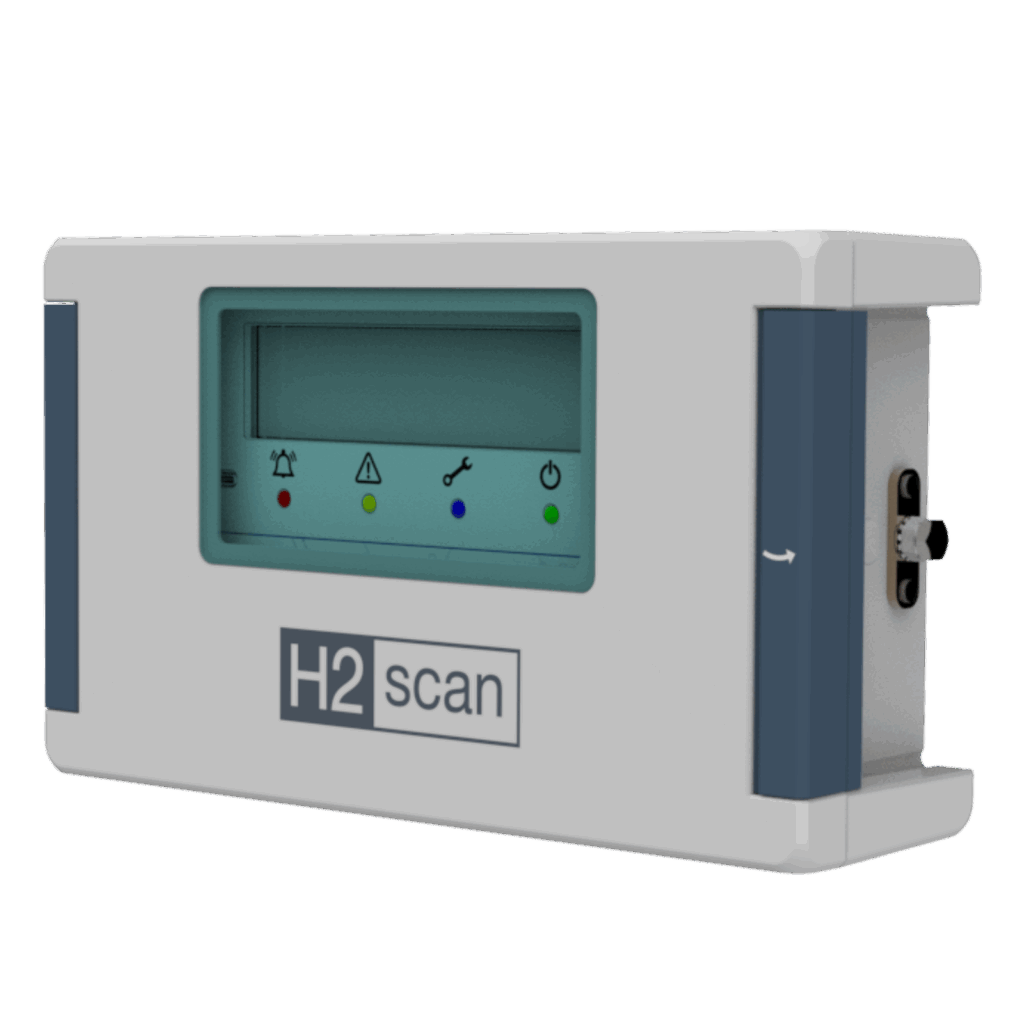
HY-VAULT™ extends that visibility to the network transformers under city streets, where periodic manual sampling is operationally and logistically hard. Continuous hydrogen monitoring lets power utilities make informed, data-driven maintenance decisions and keep power flowing to homes, businesses and critical infrastructure.
Hydrogen is an incipient gas generated in most transformer faults. Continuous monitoring flags it early — often months before failure — so you intervene before an outage, not after.
See transformer condition continuously, not once every one to four years. Live hydrogen data flows into SCADA and ADMS for informed maintenance decisions.
Wind, solar and storage can stress step-up transformers in new ways — continuous monitoring keeps pace with variable duty cycles.
Catch faults before they become fires or oil spills — protecting crews and cutting truck rolls and manual sampling.
Replace transformers on condition, not age or guesswork — early warning defers capital and protects maintenance budgets further.
Solid-state sensing holds accuracy in heat, vibration and corrosive saline air, and meets or exceeds IP68.
Share the size and make-up of your transformer fleet and an H2scan expert will scope the right monitoring solution and a deployment plan.
A. Dissolved gas analysis (DGA) measures the gases that build up in transformer oil as insulation breaks down. Hydrogen is the earliest and most common of these gases. Continuous single gas (hydrogen) DGA monitoring tracks it in live conditions, flagging an abnormality far earlier than periodic lab sampling.
A. Almost every developing transformer fault — overheating, partial discharge or arcing — generates hydrogen first. Because it is the earliest and most universal signal, monitoring hydrogen continuously gives the longest possible warning of an abnormality before failure.
A. Lab sampling captures a single snapshot every one to four years. Online hydrogen monitoring watches the transformer continuously, so a fault that develops between samples is caught as it happens rather than at the next scheduled test.
A. Transformer faults often progress from first symptoms to failure in around six months. Continuous hydrogen monitoring can flag the abnormality early in that window, giving operators weeks or months to plan maintenance and avoid an unplanned outage.
A. Yes. Single gas (hydrogen) sensors make fleet-wide monitoring practical where multi-gas online DGA was only affordable on a few critical units. GRIDSCAN sensors install on energized transformers in about two hours, with no civil works.
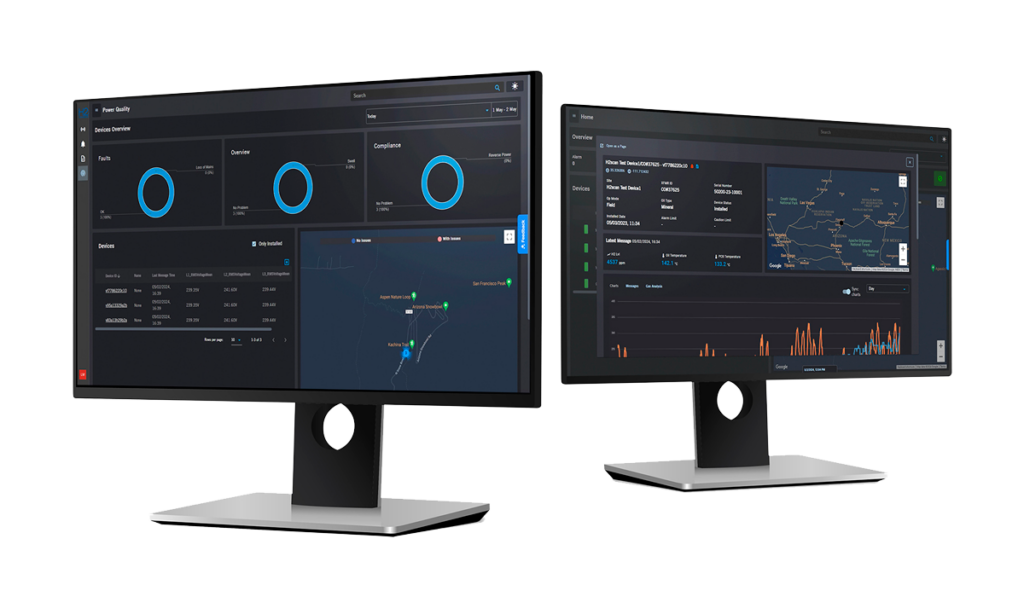
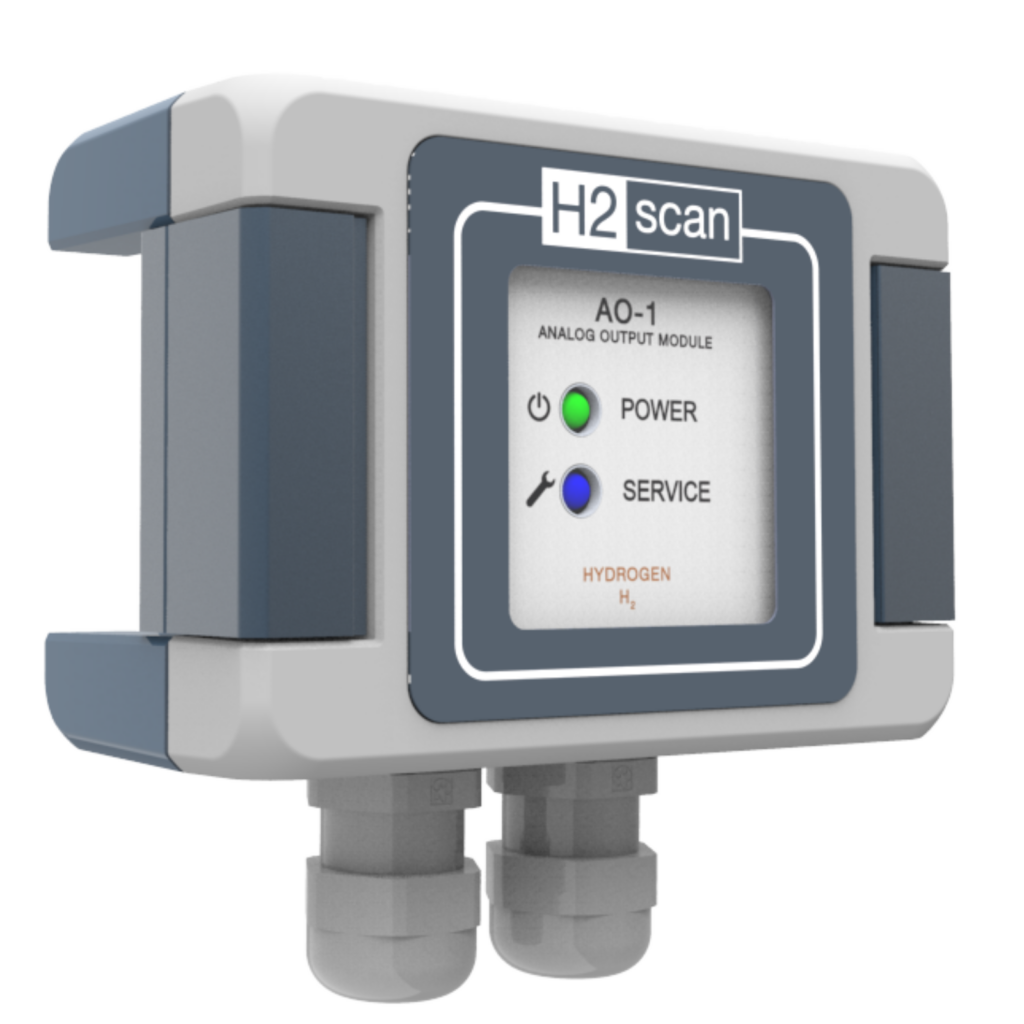
A. Yes. GRIDSCAN and HY-VAULT connect over 4–20mA, Modbus, DNP3 and RS485, and feed SCADA, ADMS and the H2cloud / Fleet Advisor platform, so hydrogen data reaches the systems your operators already use.
A. None. H2scan sensors are self-calibrating, with no consumables and no periodic calibration, and the sensing element carries a 10-year warranty — so fleet-wide monitoring does not add a maintenance burden.
A. By catching faults before they cause outages, continuous hydrogen monitoring helps utilities improve reliability indices such as SAIFI and SAIDI, while supporting digitalization and AI-driven predictive maintenance.