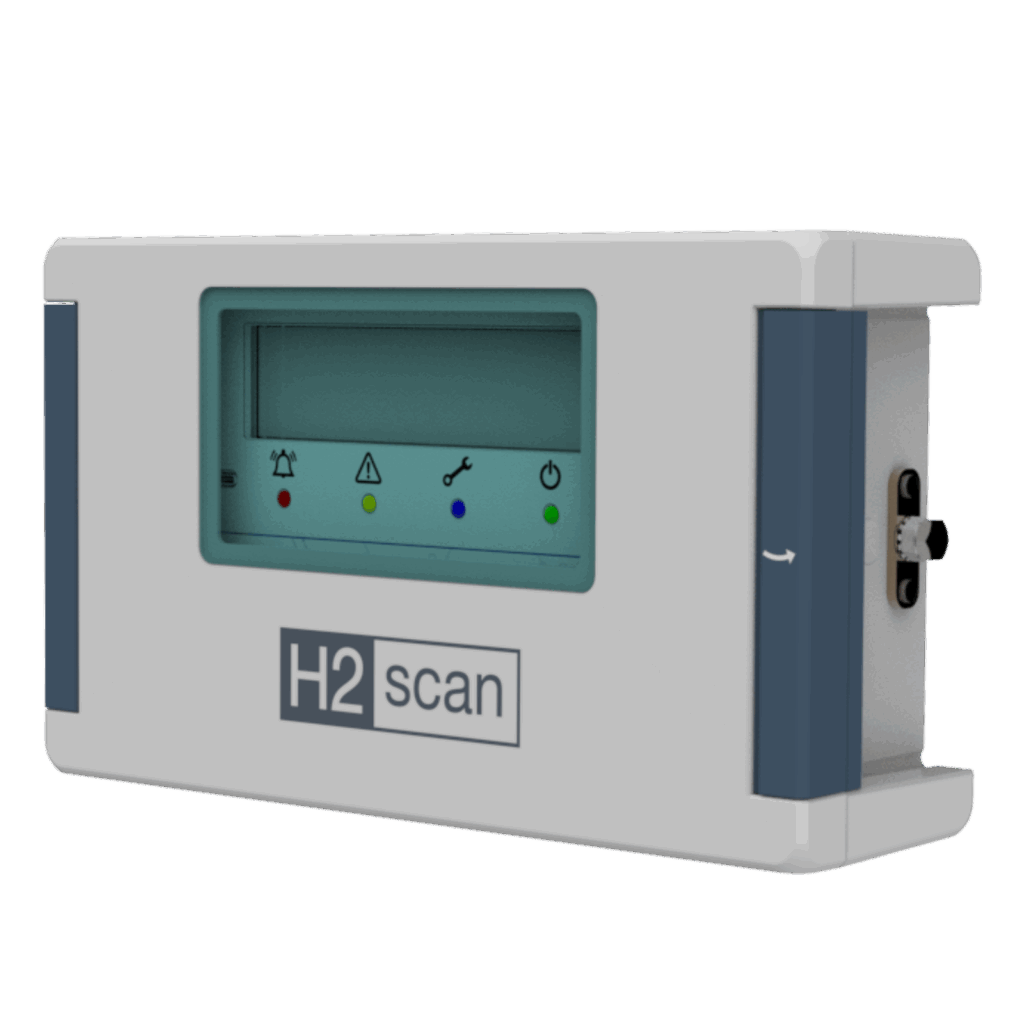
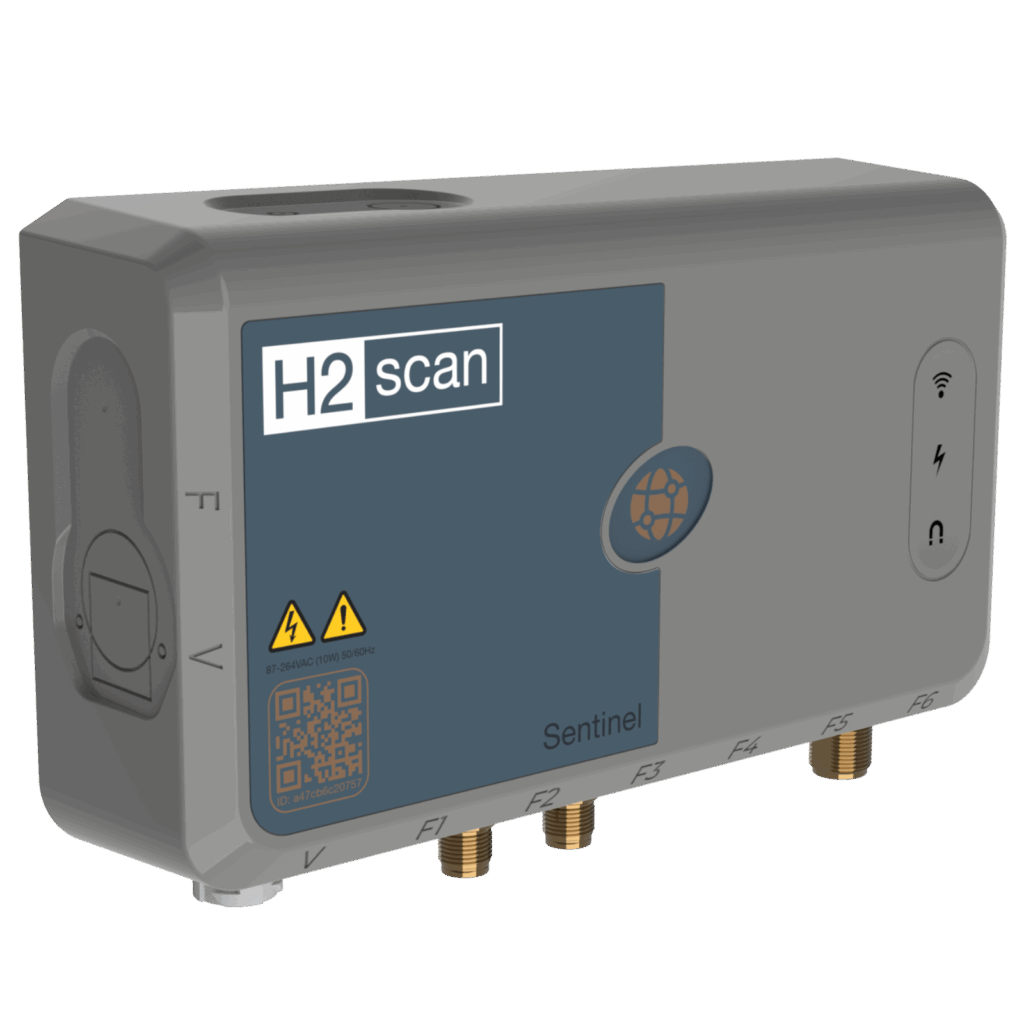
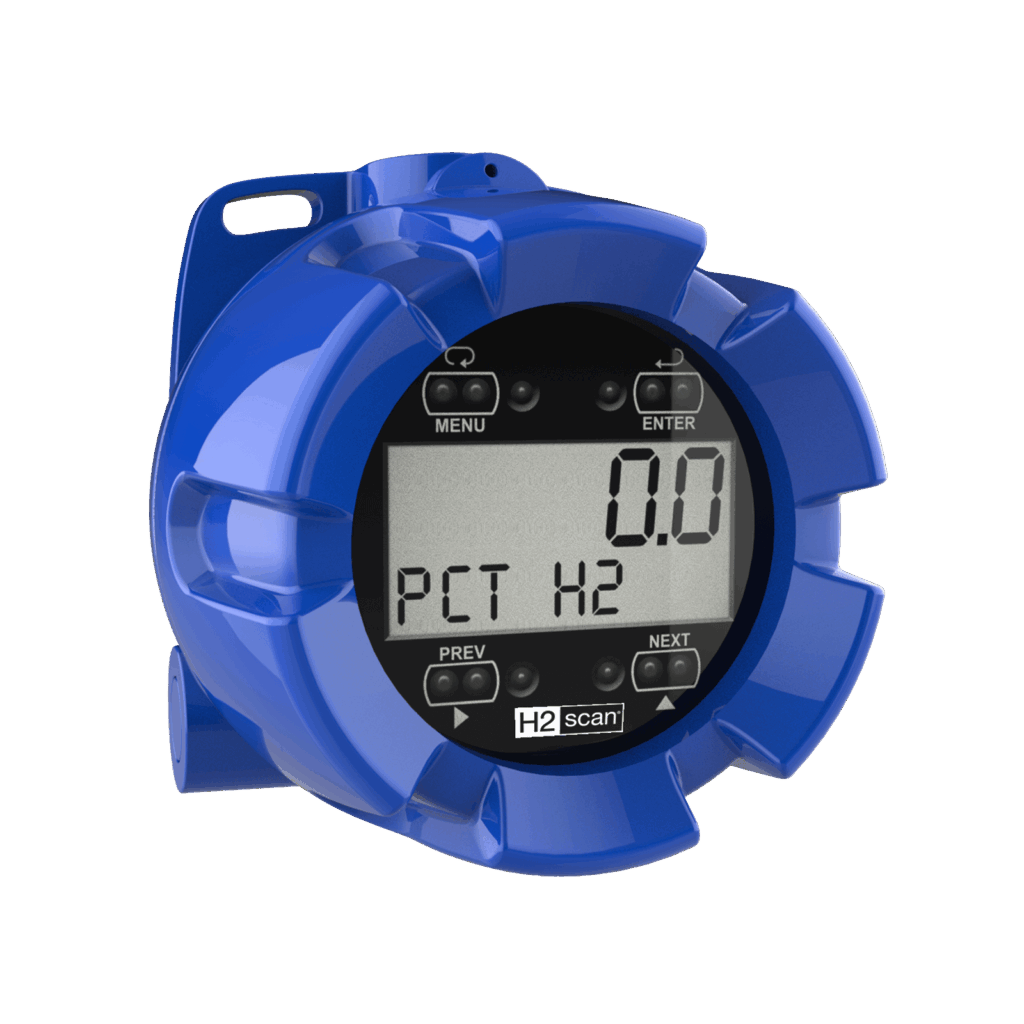
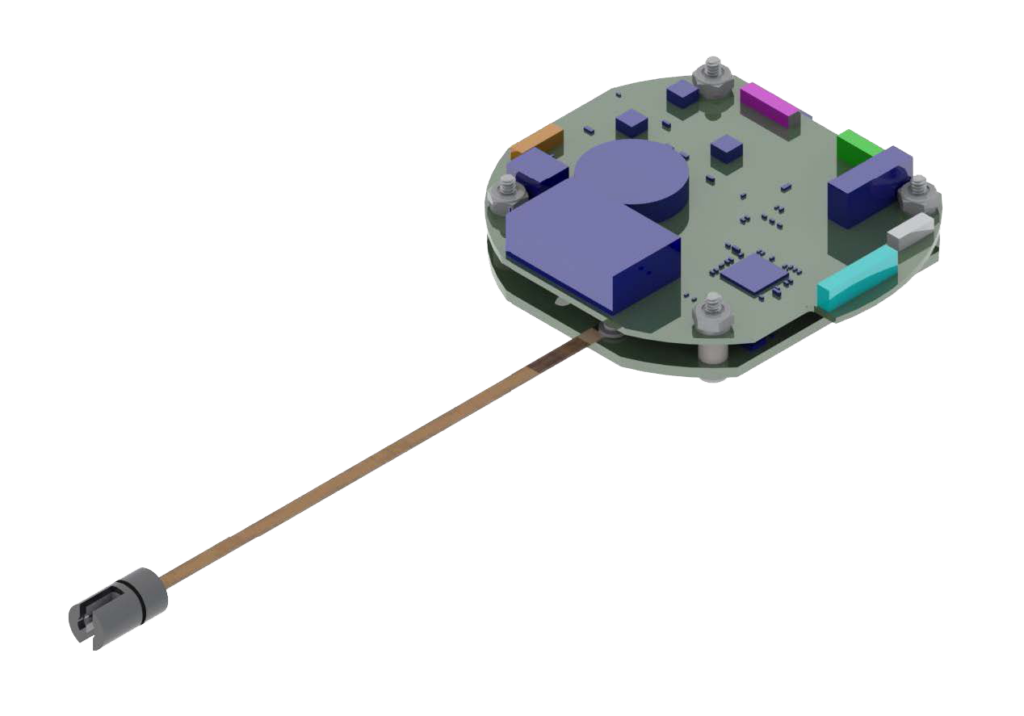
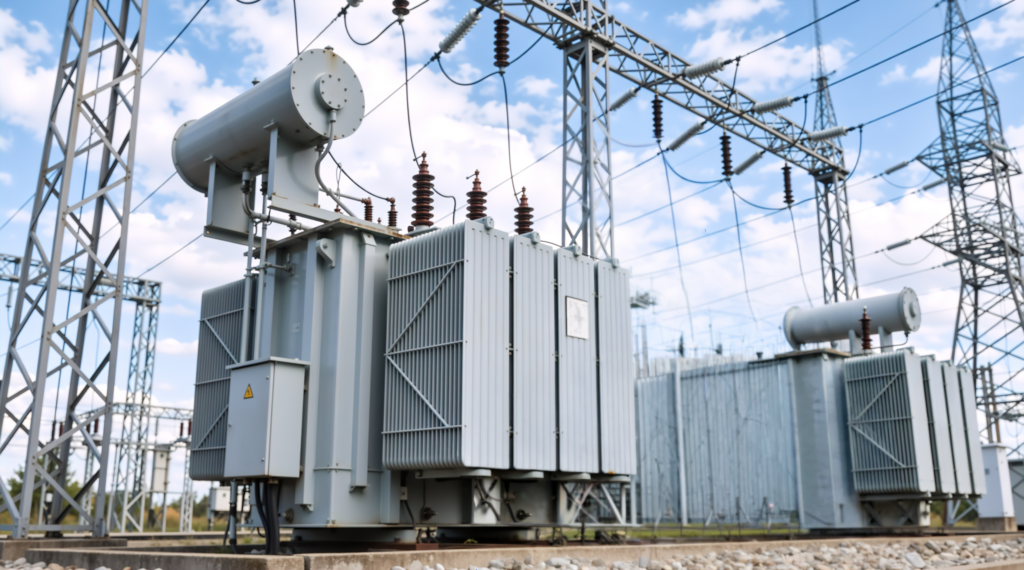
Plant, generator step-down and rectifier transformers are single points of failure for production. When one fails unexpectedly, the line stops, replacements are expensive and lead times run into years. Most faults build for months before failure, yet lab oil sampling happens only every one to four years. H2scan closes that gap with continuous single-gas (hydrogen) DGA monitoring — hydrogen is an incipient gas generated by overheating, partial discharge and arcing, so an abnormality is flagged early enough to plan around, not react to. From pad-mounted to substation transformers, H2scan technology delivers self-calibrating, maintenance-free monitoring; so you can worry less and focus on keeping your grid reliable.
+ patents
in hydrogen-specific sensing
+ billion
sensor hours in the field
Decades
of transformer monitoring expertise
From one critical transformer to every unit on site, H2scan helps you choose the right monitoring and integrate it with your plant DCS and SCADA.
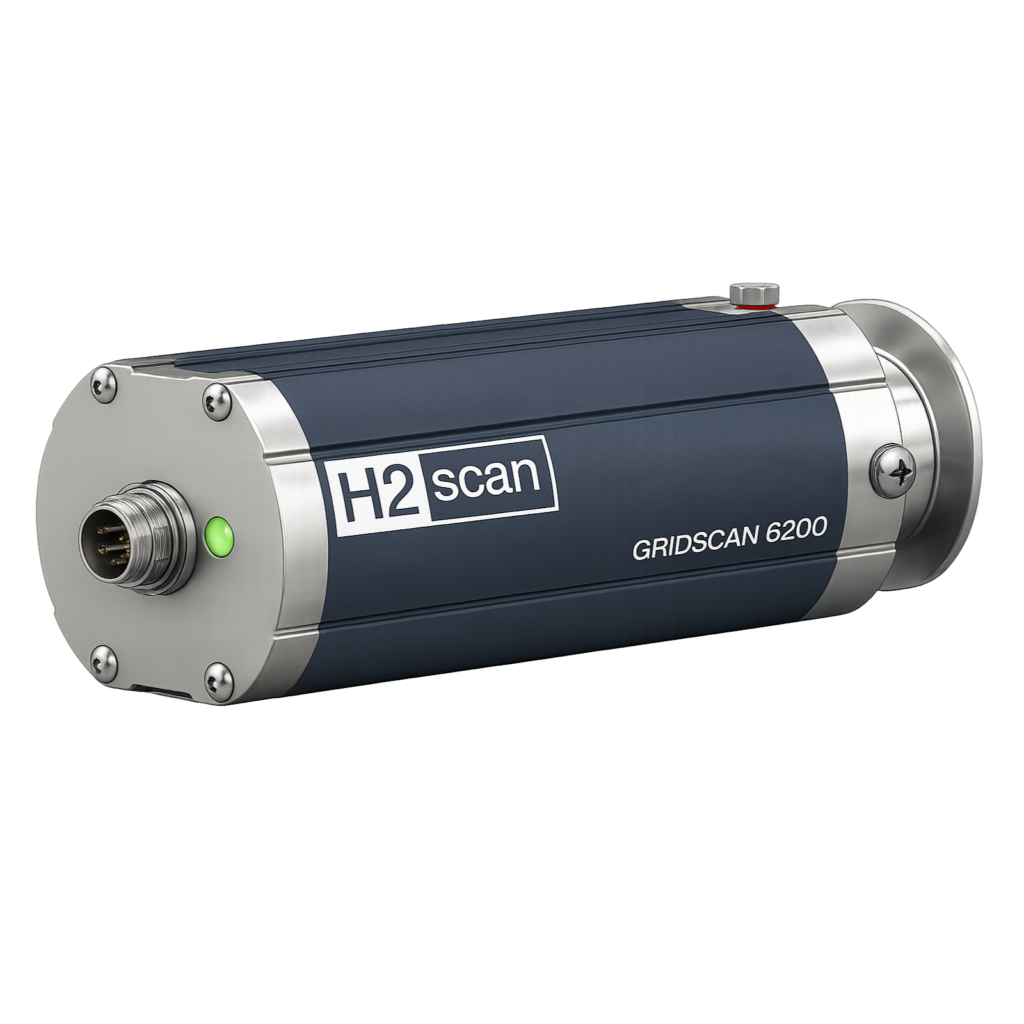
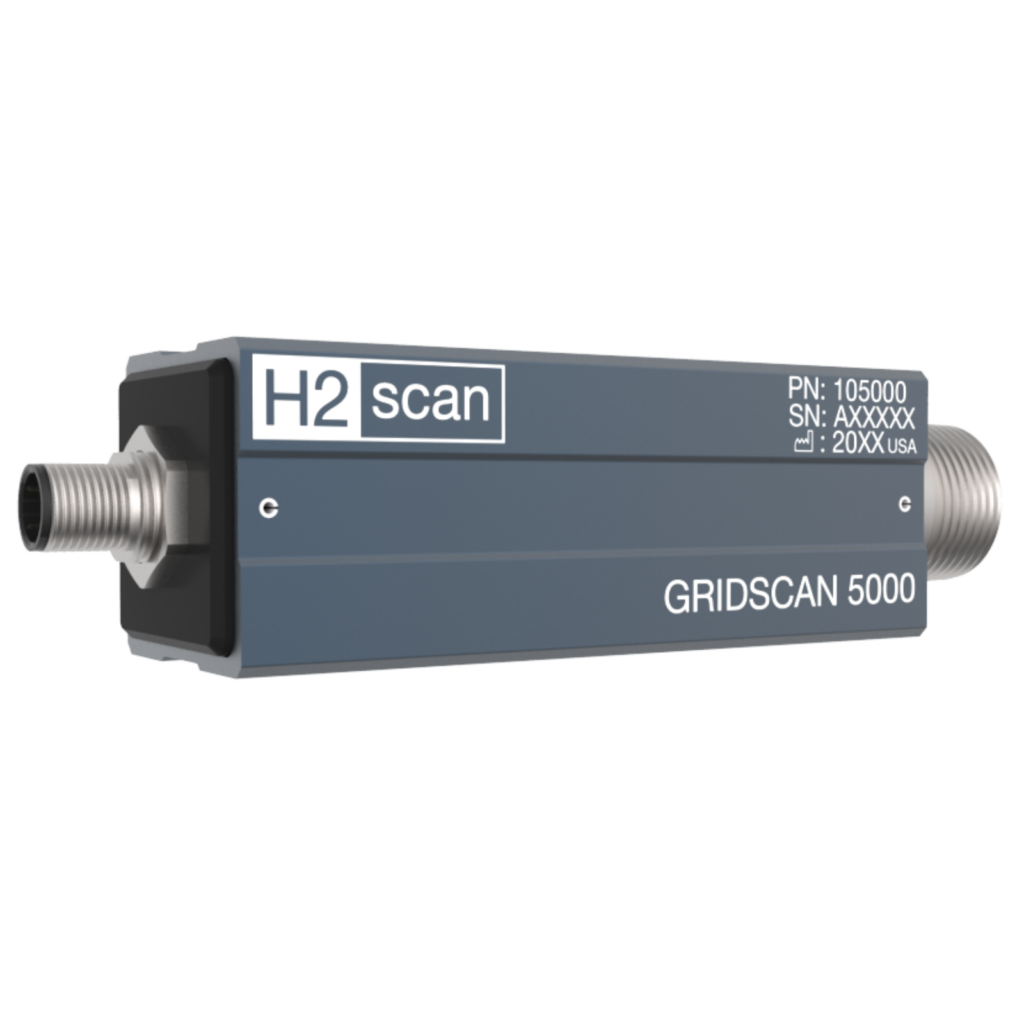
H2scan’s GRIDSCAN® 5000 and 6000 series make continuous transformer monitoring affordable enough to cover more than just your most critical units. Flagging an abnormality early lets teams plan maintenance around production, not around a failure.
Because the sensors are self-calibrating and install on energized transformers, monitoring can be rolled out across a plant quickly, without outages and without adding a maintenance burden.
Catch developing transformer faults early — months before they can stop the line.
See transformer condition continuously, not once every one to four years.
Head off fires, arc flash and oil spills before they put crews or production at risk.
Replace transformers on condition, not age — deferring capital and stretching budgets.
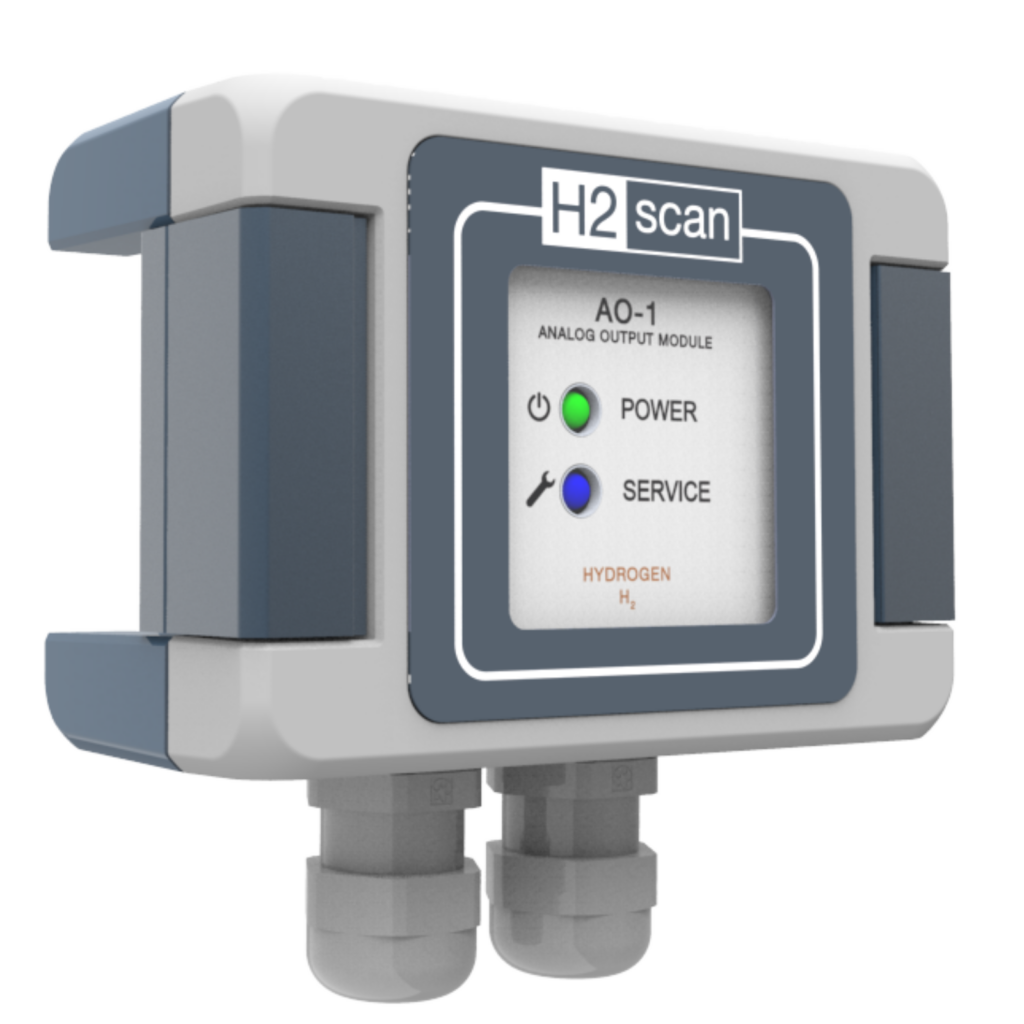
4–20mA, Modbus and DNP3 feed straight into DCS and SCADA.
Solid-state sensing holds accuracy through heat, vibration and contaminants.
Share your plant’s transformer population and an H2scan expert will scope the right monitoring and a deployment plan.
A. Dissolved gas analysis measures gases that build up in transformer oil as insulation degrades. Hydrogen is the earliest and most common. Continuous single-gas (hydrogen) DGA tracks it in live conditions, flagging an abnormality far sooner than periodic lab sampling.
A. Lab sampling is a snapshot taken every one to four years. A fault can develop and fail in between. Continuous monitoring watches the transformer the whole time, so an abnormality is caught as it develops — with time to plan around production.
A. Yes. GRIDSCAN measures hydrogen in the oil or headspace on plant, generator step-up and rectifier transformers, installing on energized units in about two hours with no outage.
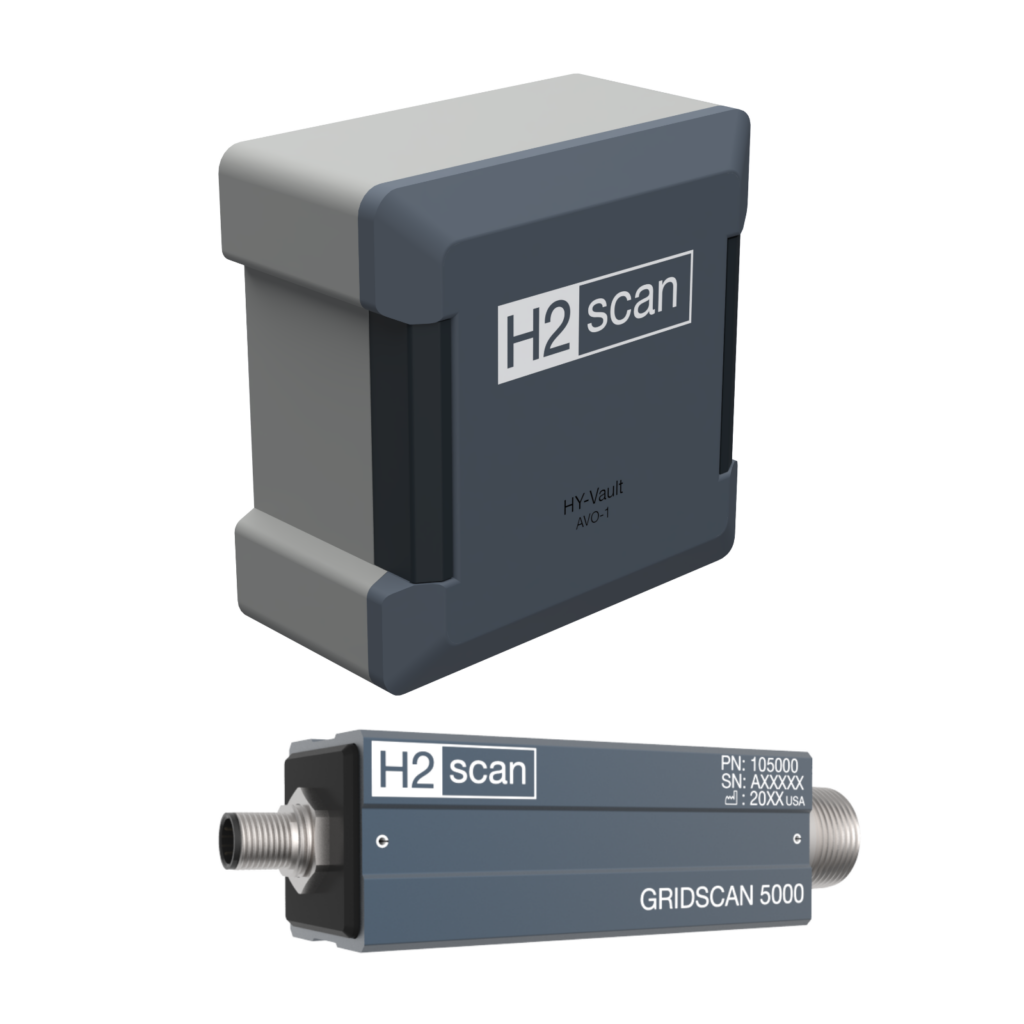
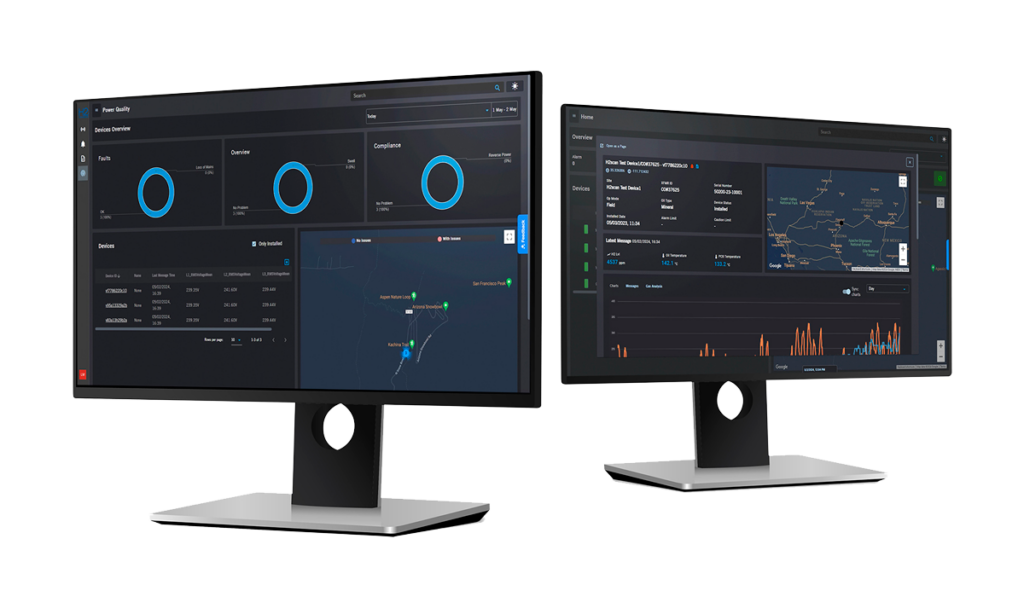
A. Yes. GRIDSCAN and the GSAO-2 hub output over 4–20mA, Modbus and DNP3, and feed DCS, SCADA and the H2cloud / Fleet Advisor platform.
A. None. The sensors are self-calibrating with no consumables, and the sensing element carries a 10-year warranty.