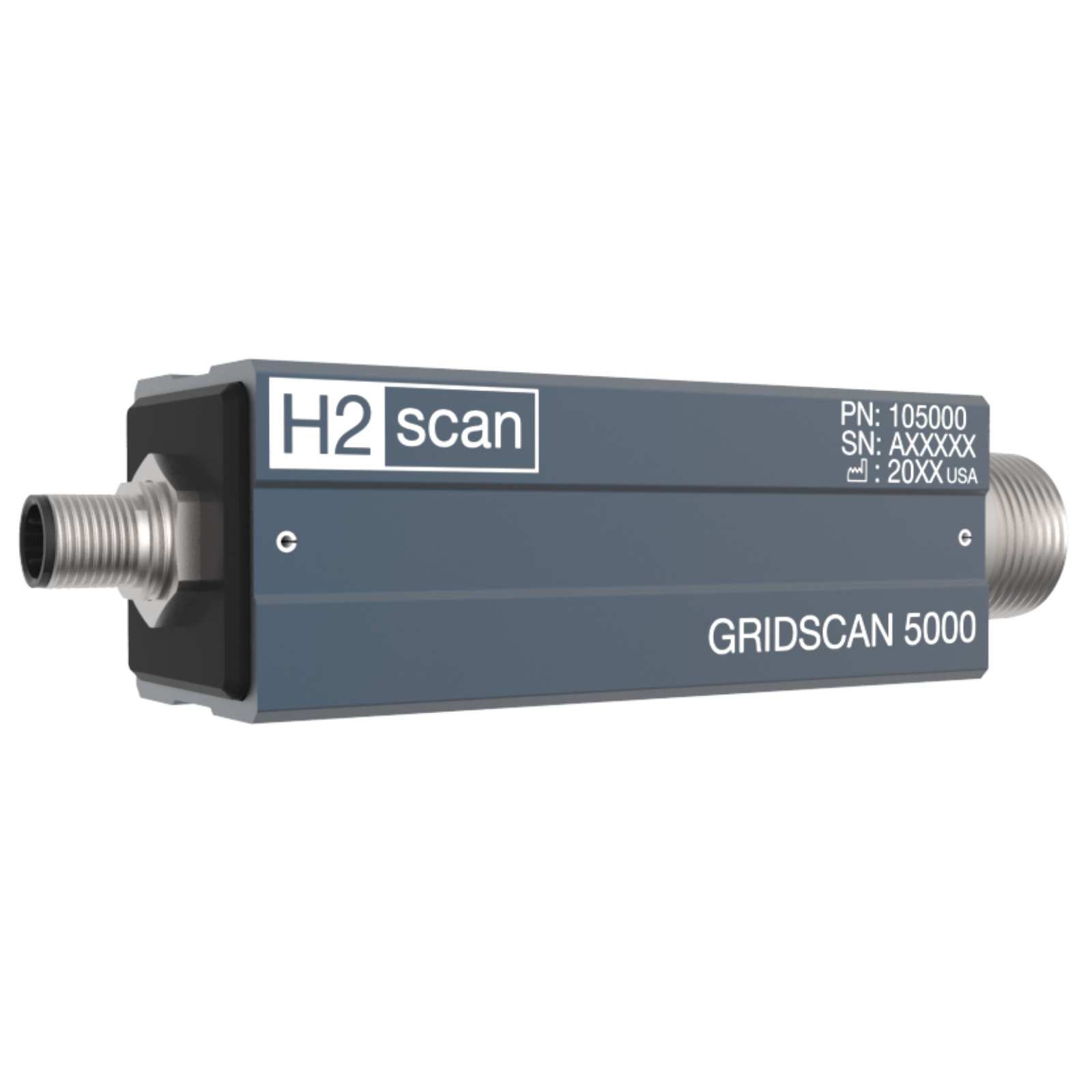
GRIDSCAN® 5000 Series
Hydrogen Sensor
Precision hydrogen measurement at low cost for utilities and OEMs. No calibration or maintenance for up to 10 years; over 15,000 sold with no after-sale calibrations since 2012.
View product
Today’s Transformer Challenges: Managing Assets in a Changing Grid Landscape
The electrical grid stands at a critical juncture, facing unprecedented challenges that range from aging infrastructure to the rapid integration of renewable energy sources.
Today’s asset managers face a perfect storm of challenges: extended lead times for new transformers (1-3 years), prices two to three times higher than previous years and aging transformer fleets requiring careful monitoring. The rapid adoption of electric vehicles—with some regions like California adding thousands of EVs daily—adds significant pressure to distribution infrastructure, particularly at the neighborhood level where transformers weren’t originally designed for such loads. In addition, the massive power demands caused by the anticipated explosion in new data centers being built to support AI are adding to power grid capacity problems.

The conventional wisdom about transformer life expectancy is undergoing significant revision. While many utilities operate on the assumption that transformers follow the famous “bathtub curve” of reliability, with higher failure rates early and late in their lifecycle, research from multiple sources suggests this applies to only about 4% of asset types. The Nowlan and Heap failure curves discuss reliability-centered maintenance and then describe a comprehensive CIGRE study of over 7,000 transformers. The CIGRE study reveals more complex patterns, suggesting that age alone shouldn’t drive replacement decisions.
Modern design practices have dramatically impacted transformer reliability. Today’s transformers use substantially less oil per KVA than their predecessors, with tighter clearances and more compact designs. While this evolution has improved efficiency and reduced costs, it has also made transformers more susceptible to manufacturing defects and operational stresses. In fact, newer transformers fail prematurely while older counterparts continue operating reliably.

The impact of renewable energy integration presents additional challenges. Utilities report that inverters from solar installations are generating harmonics that can cause transformer issues, including premature failure. This is particularly concerning at both the distribution level, where residential transformers face new stresses from combined solar and EV charging loads, and at utility-scale solar farms, where harmonic issues can affect larger transformers.
Many utilities are adopting comprehensive monitoring solutions rather than relying solely on periodic fluid sampling—which can have 30-90 day lab turnaround times. These include single or multi-gas DGA monitors, bushing monitoring, partial discharge detection and load tap changer monitoring. However, implementing monitoring systems isn’t enough on its own. Organizations must be prepared to act on the data they collect. As one speaker emphasized, “Condition monitoring is a symptom of good asset management.”
Successful implementation of monitoring systems requires organizational readiness, clear action plans and commitment to addressing issues when identified. This is particularly important given that replacement transformers have long lead times of at least one to three years, making a replacement difficult to obtain in a short timeframe. The path forward involves a balanced approach to asset management, where critical assets might warrant comprehensive monitoring systems while broader fleet coverage can be achieved through cost-effective solutions like hydrogen monitoring.
Most importantly, transformer life expectancy isn’t predetermined by age. Well-designed, properly manufactured and adequately maintained transformers can provide reliable service well beyond traditional expectations. The key lies in understanding each transformer’s individual condition through appropriate monitoring and maintenance strategies rather than relying on general assumptions about age-based deterioration.
GRIDSCAN® 5000 Series
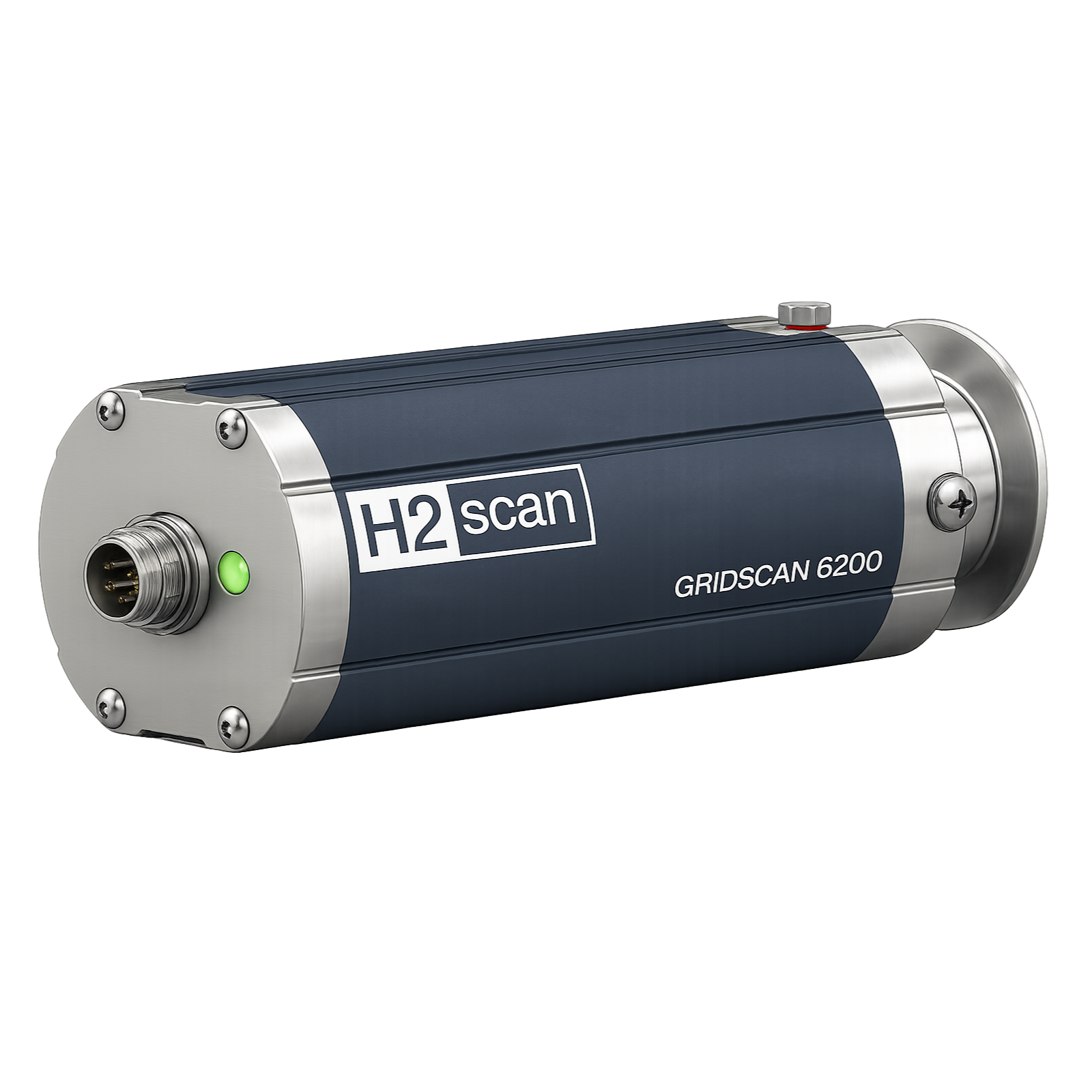
GRIDSCAN® 6200
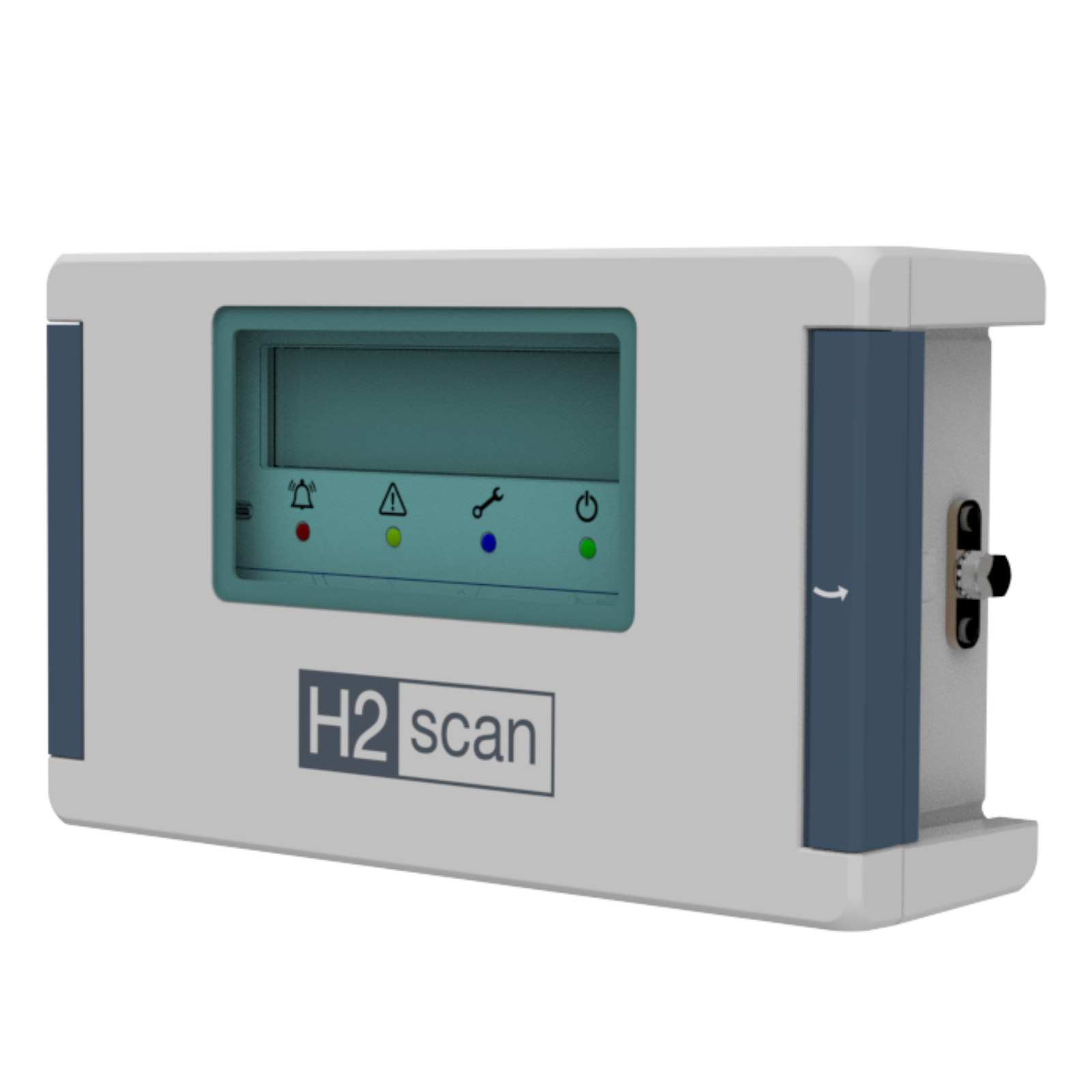
GSAO-2
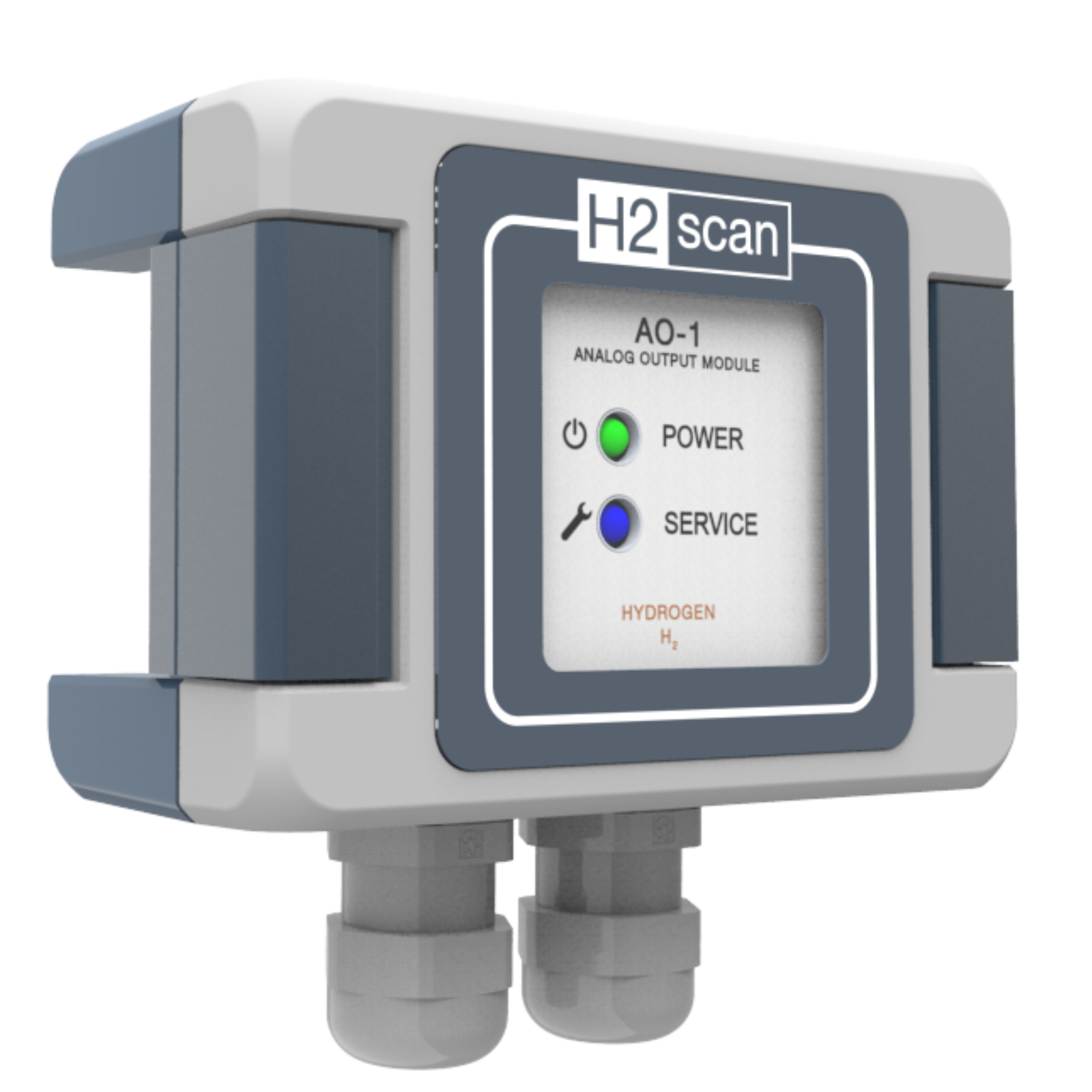
GSAO-1
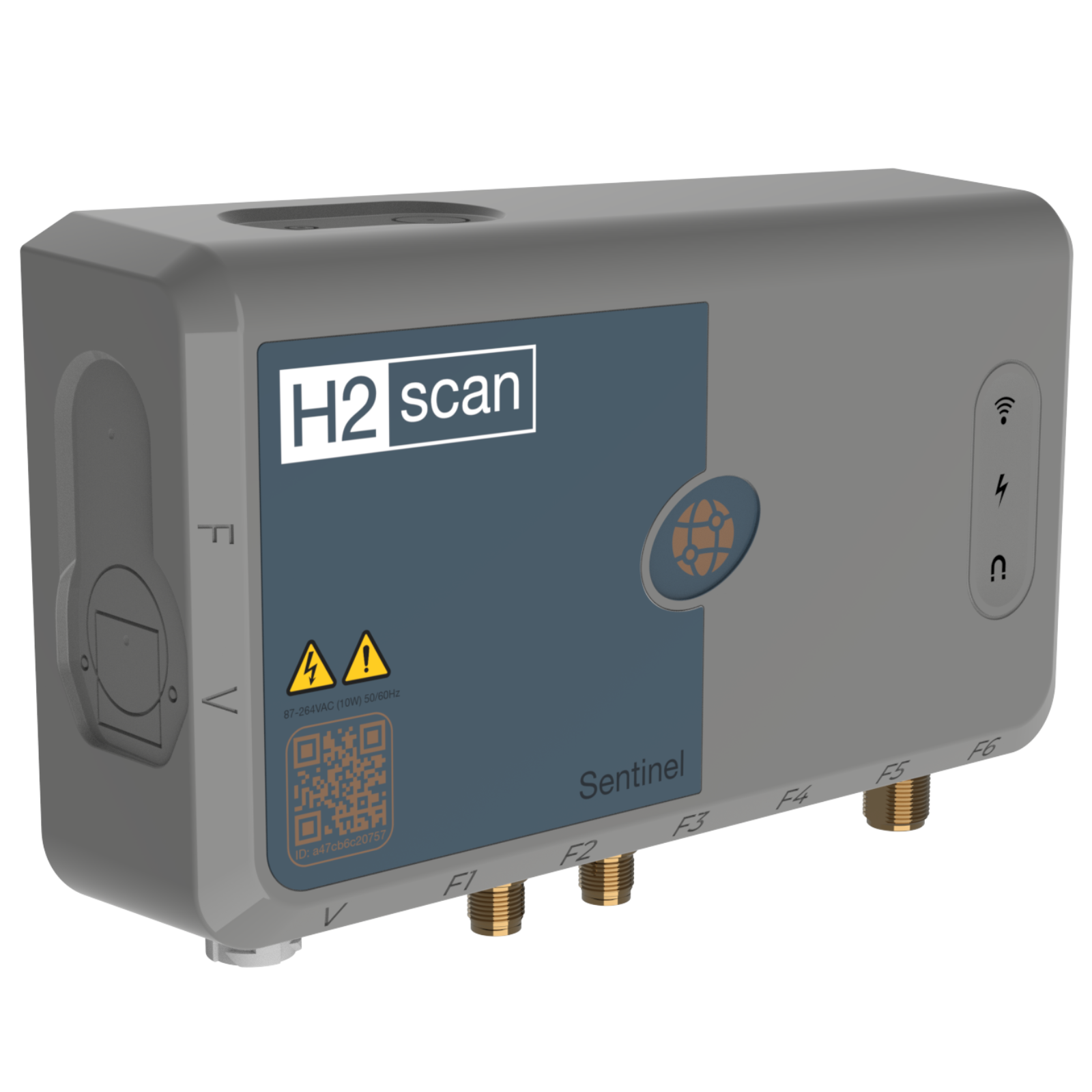
Sentinel® PRO
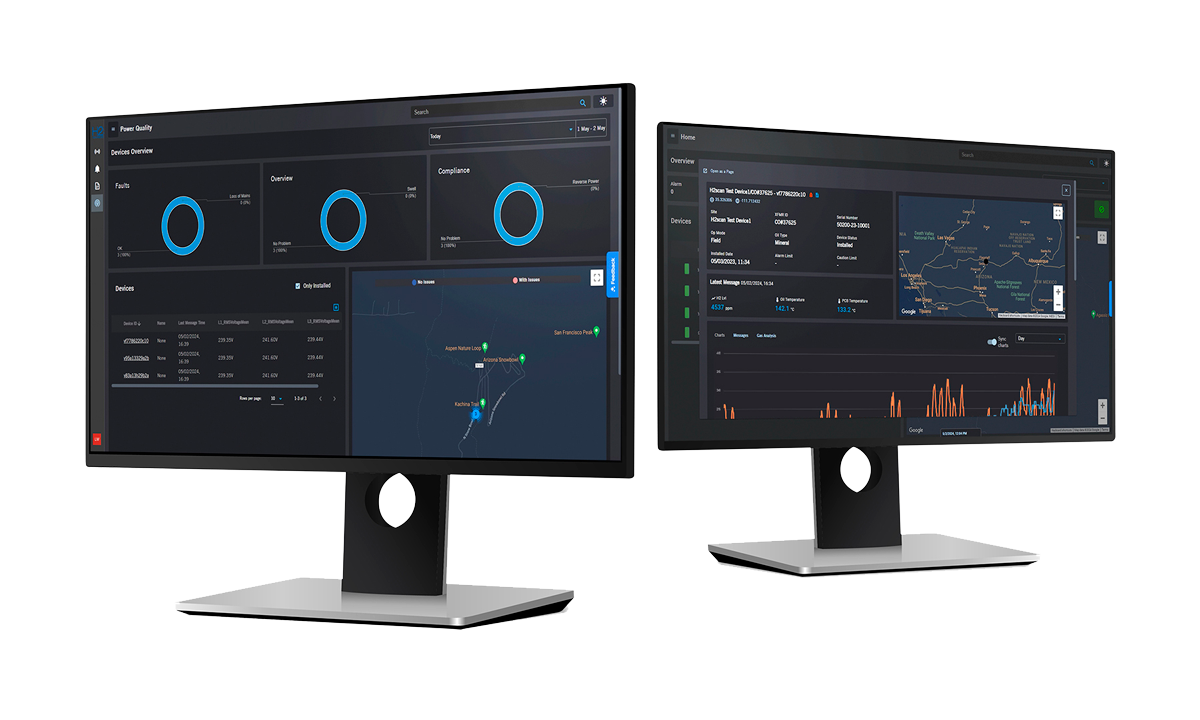
H2cloud™