Overview
- No false alarms
- Continuous self-calibration that verifies sensor performance throughout its operational life
- Helps facilities stay compliant with the International Fire Code (IFC), NFPA 1, NFPA 2, OSHA 1910, IEC 62485-2, IEC 62933-5-2, IEEE 484 & 1635 and NFPA 855
- Multiple mounting choices include junction box, DIN-rail, wall-mount, and magnetic mount
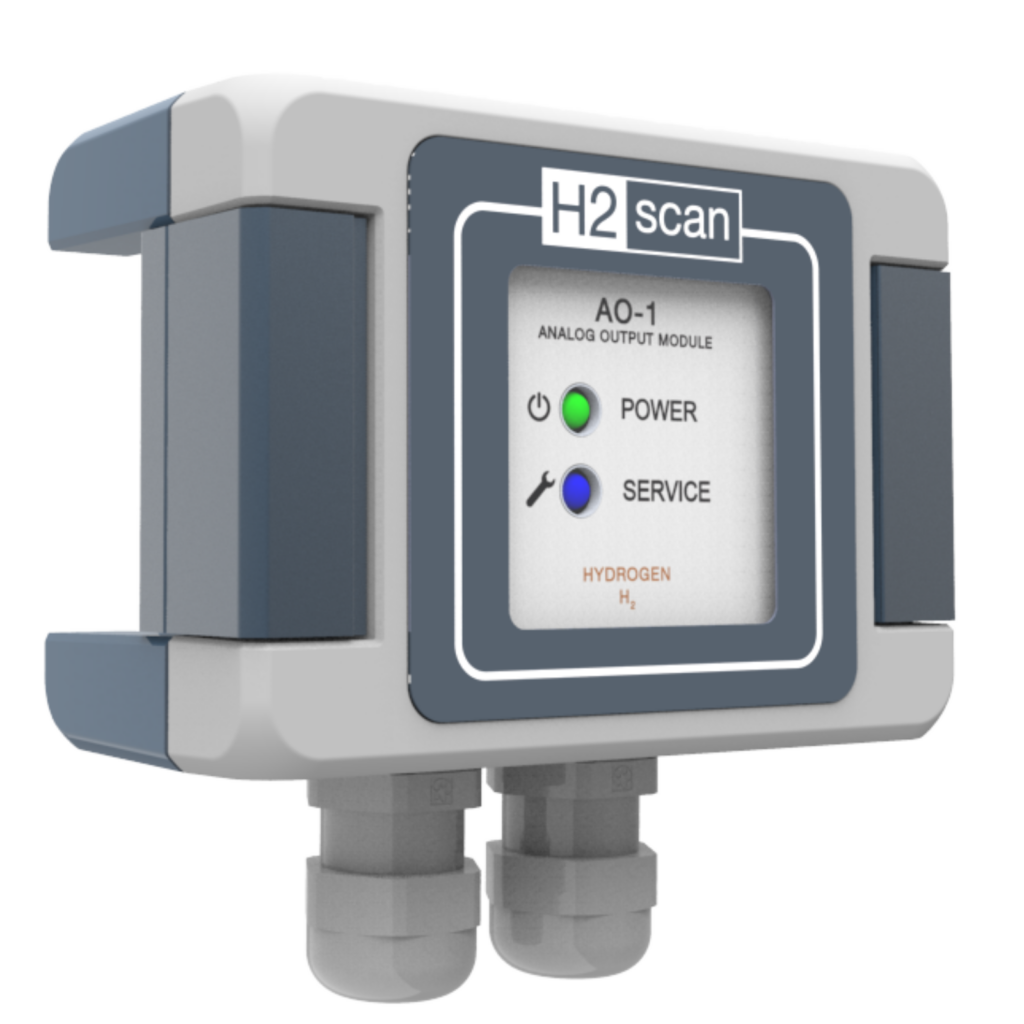
- Flexible communication options including dry potential-free contacts, 4-20 mA analog output, and Modbus RTU (RS-485)
- Long 10+ year service life battery types
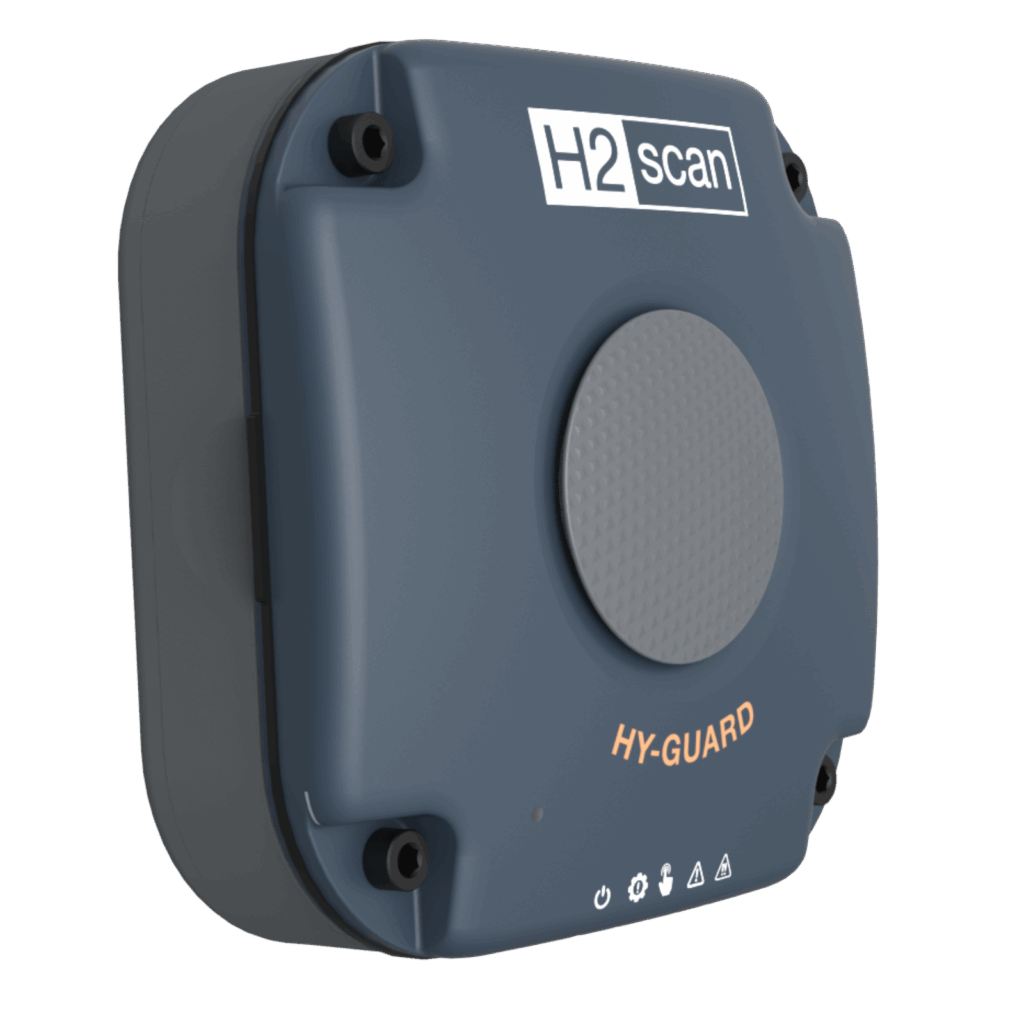
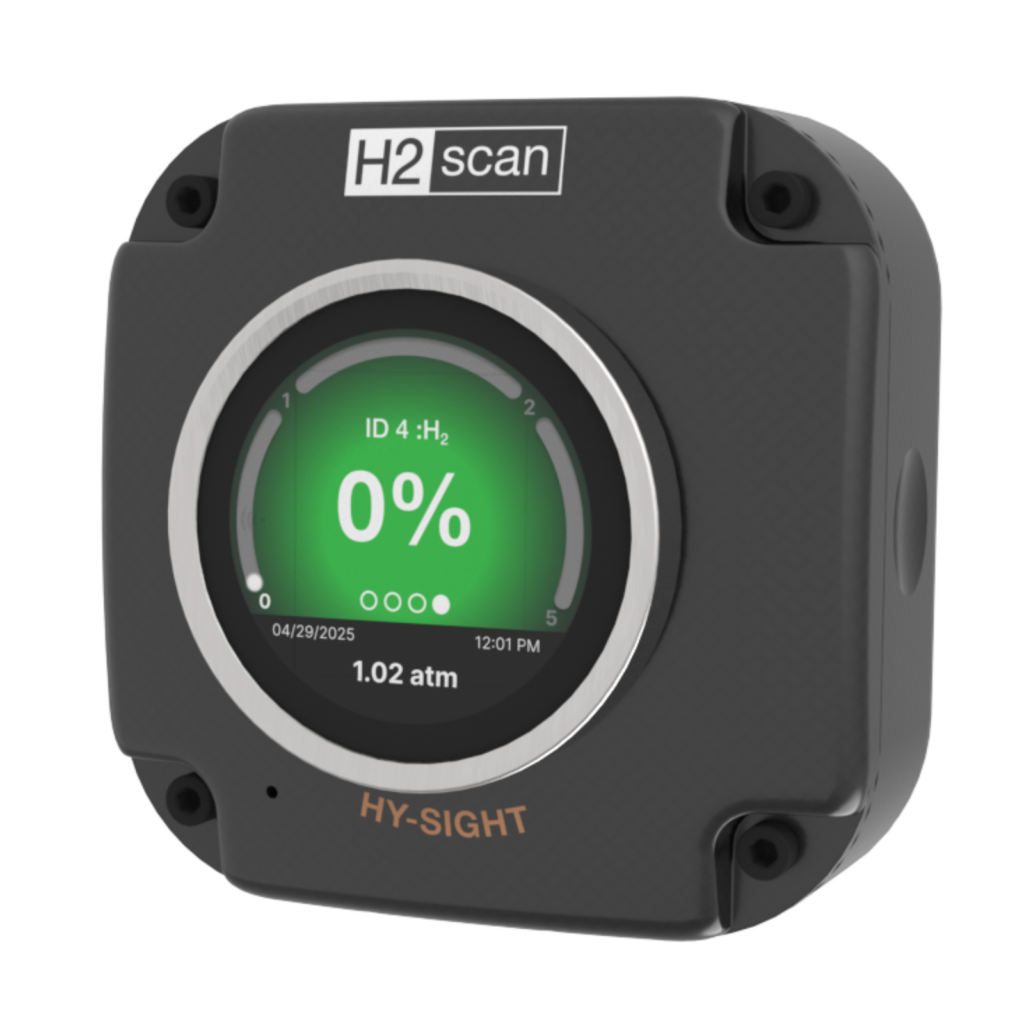
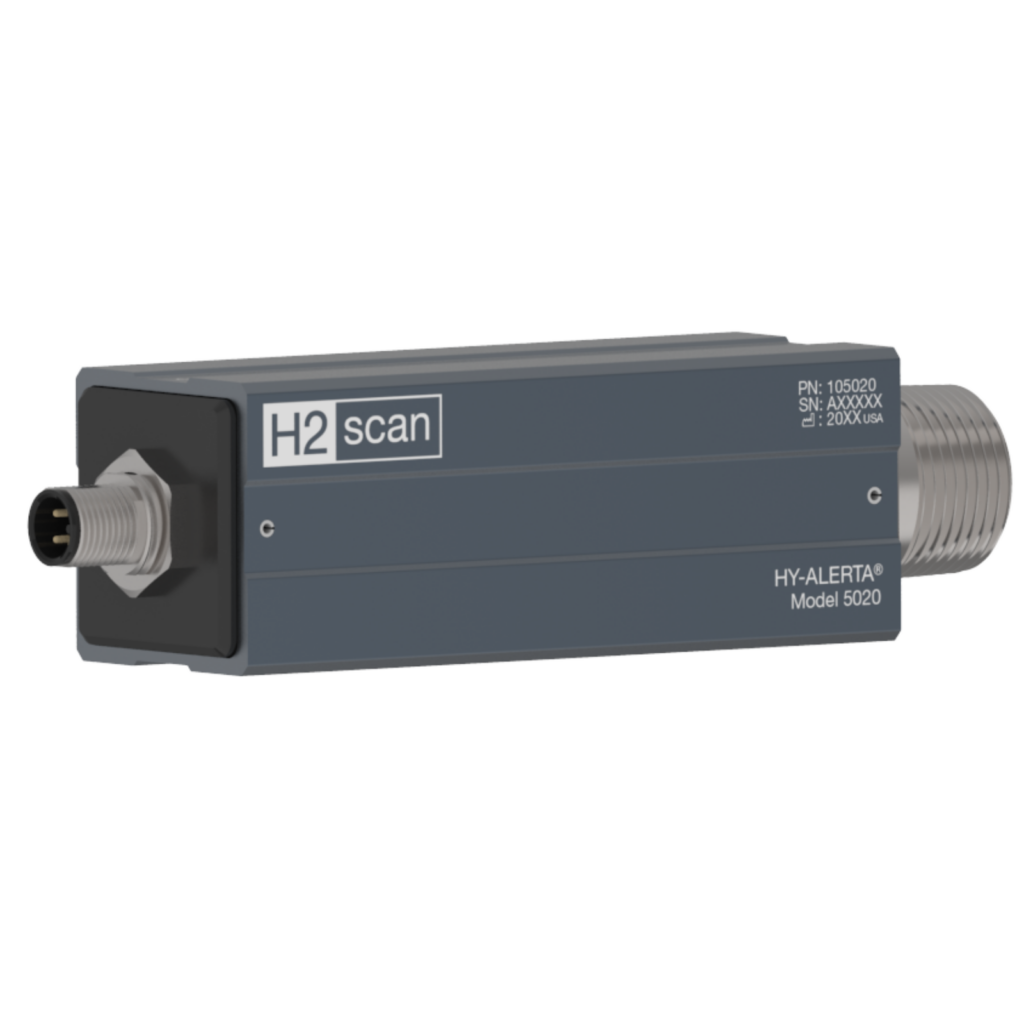
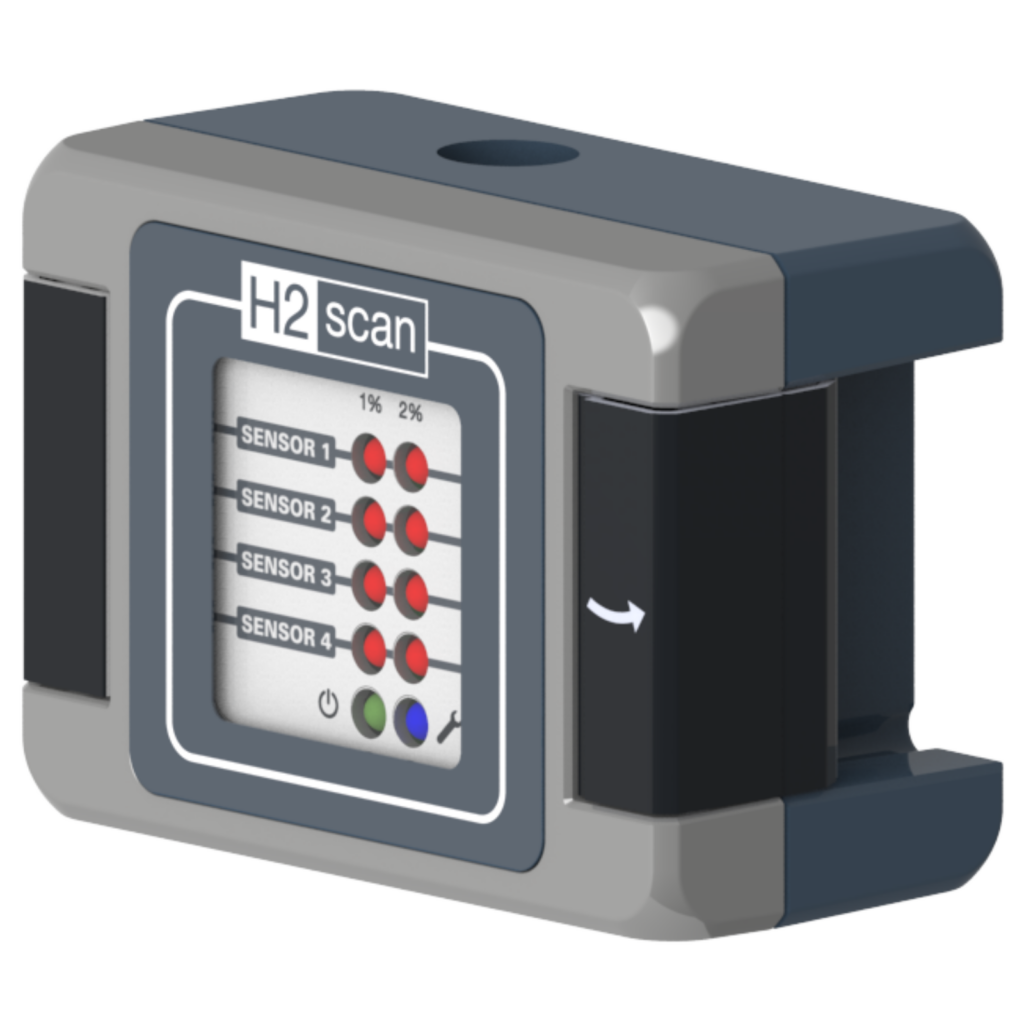
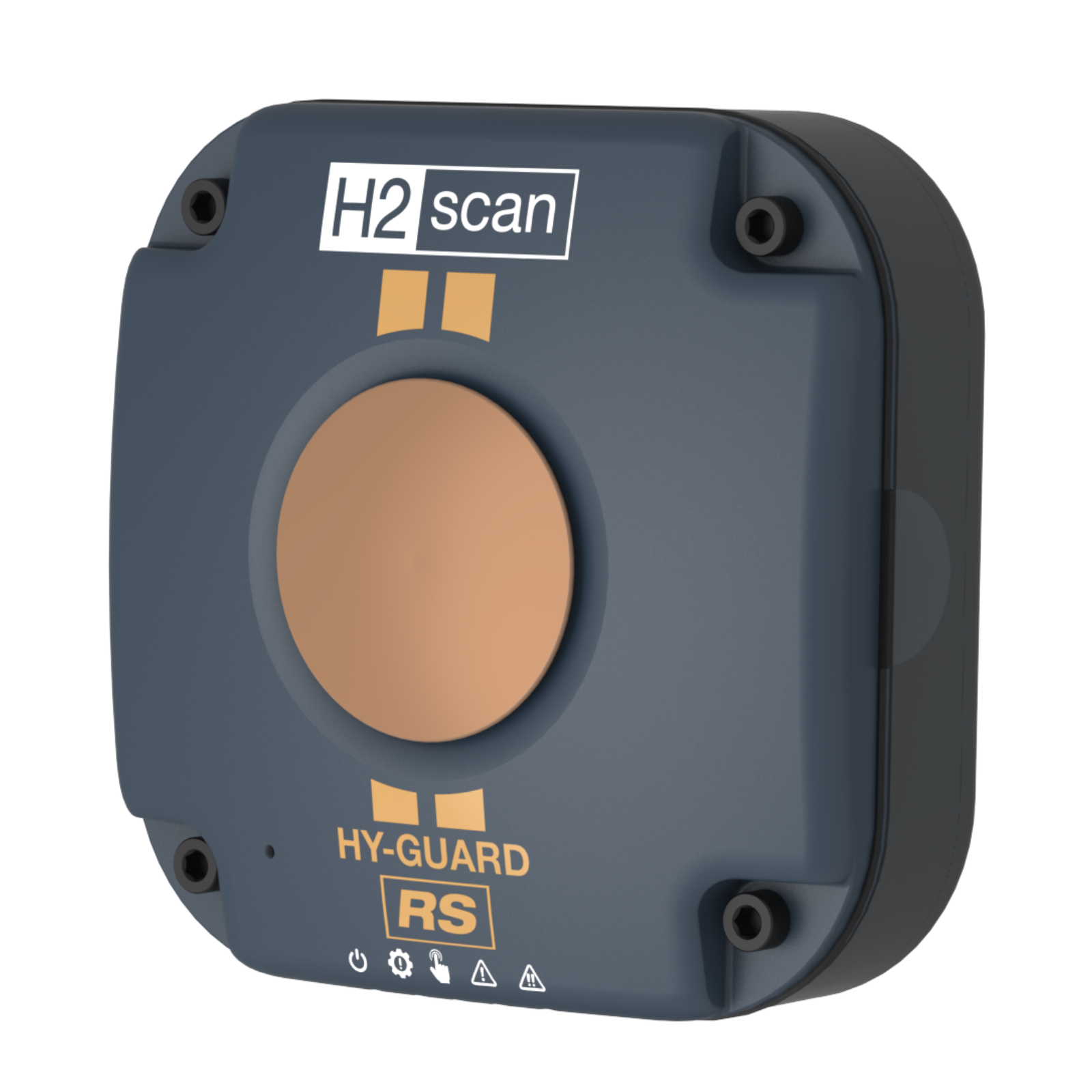
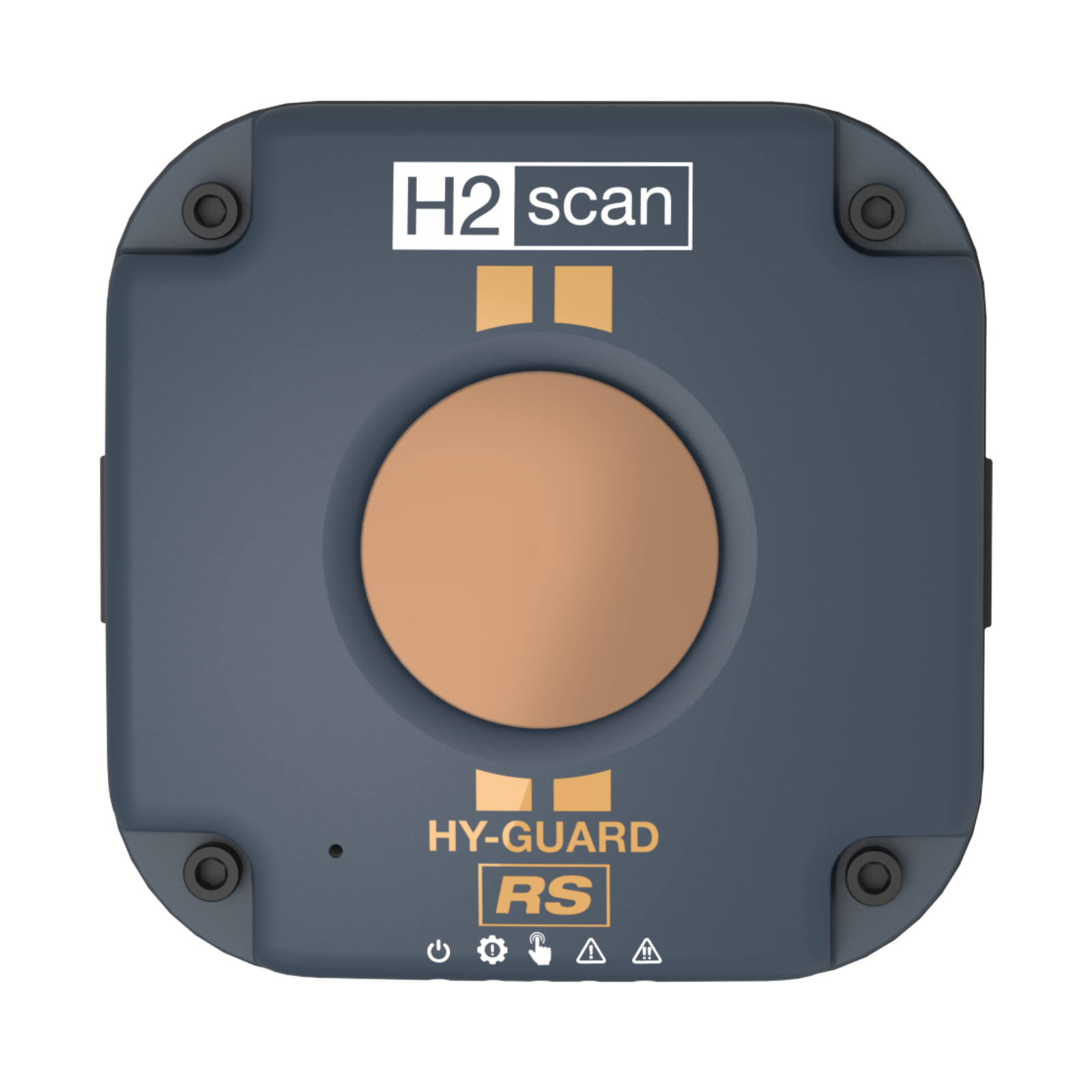
The HY-GUARD® RS hydrogen monitoring system tackles critical safety issues for lithium-ion energy storage and standby power battery setups.
Key Advantages
- True Safety Assurance: HY-GUARD® RS self-verification eliminates false security through continuous self-verification
- Zero Maintenance: Long sensor life and no calibration required over the life of the instrument
- Flexible Configuration: Modular design allows selection of needed required capabilities, ranging from relay outputs to advanced communication protocols
- Superior Reliability: Proven sensor technology without the drift, false alarms, and premature failures common in catalytic and metal oxide sensors
- Standards-drive Development: Designed to meet stringent fire code, including NFPA, IFC, OSHA, IEC, EN and EU directives
Reliable Data for AI and Analytics
Proprietary self-monitoring technology continuously validates sensor performance, delivering clean, accurate data your AI and predictive maintenance initiatives demand. Unlike sensors that fail silently and corrupt your data record, H2scan sensors alert you immediately if performance degrades—ensuring every data point is reliable for both today’s monitoring needs and tomorrow’s analytics.
Applications
Lithium-Ion Battery
Standby Power Battery Rooms
Lead-Acid Battery Installations
NiCad Battery Systems
Battery Cabinets
Telecommunications Battery Backup
Data Center Standby Power
Emergency Power Systems
Utility Substations, Switchgear, SCADA
Hydrogen Economy
Forklift Batteries and Fuel Cells
Hydrogen Generation
Processing and Manufacturing
Commercial Maritime and Shipping
Medical Technologies and Complexes
Technical Information
| Physical |
|
| Environmental |
|
| Power |
|
| Communications |
|
- Concentrations >2% have an accuracy of ± 1%. Prolonged exposure to hydrogen concentrations >5% may damage the sensor
- Time to trigger first alarm when transitioning from air to 5% H2
Certifications
| Compliance & Certification* |
|
| Applicable Standards |
|
*NOTE: All certifications pending
Related products
H2scan products are the trusted sensing and data layer behind continuous hydrogen monitoring. Engineered for the field: self-calibrating, no consumables, no planned maintenance required.