
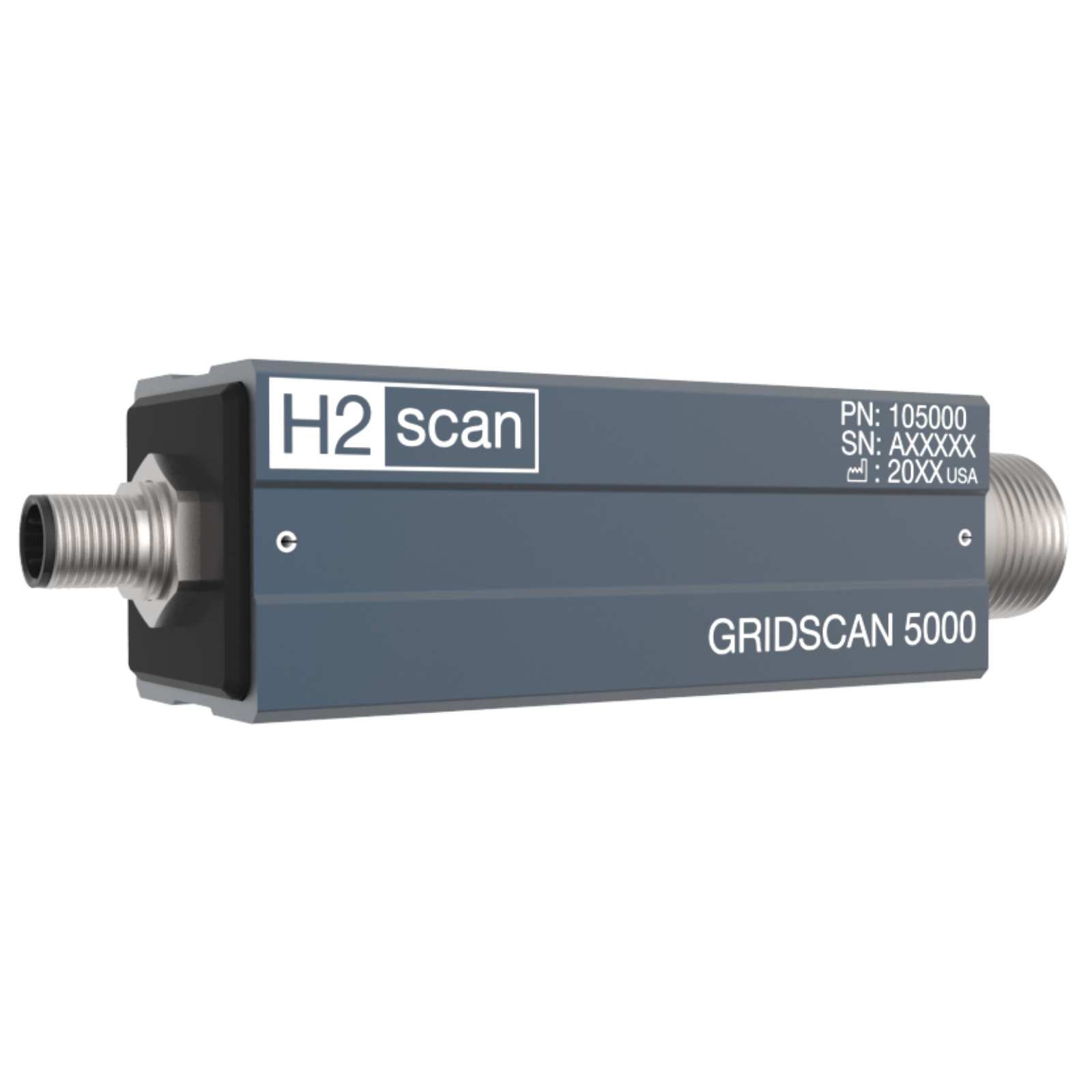
GRIDSCAN® 5000 Series
Hydrogen Sensor
Precision hydrogen measurement at low cost for utilities and OEMs. No calibration or maintenance for up to 10 years; over 15,000 sold with no after-sale calibrations since 2012.
View product
In critical infrastructure environments—from power utility transformers to energy storage and industrial process facilities—hydrogen gas serves as both a valuable diagnostic indicator and an early warning sign of potential issues. Not knowing the presence of hydrogen can lead to catastrophic equipment failures, safety hazards and significant operational disruptions. Facility managers and maintenance teams responsible for critical assets and operations can better maintain operational integrity and safety by gaining a deeper understanding of hydrogen measurement principles and implementing reliable hydrogen monitoring solutions.
The principle of hydrogen measurement involves specialized materials that interact with hydrogen molecules in ways that can be precisely measured. Advanced hydrogen-based transformer monitoring systems, like those developed by H2scan, utilize technology based on a unique relationship between hydrogen and rare precious metals.
When hydrogen molecules contact certain metal surfaces, they dissociate into atomic hydrogen, diffusing into the lattice in amounts proportional to the hydrogen concentration present. This interaction creates measurable changes in electrical properties that provide highly accurate readings specific to hydrogen.
This critical specificity eliminates false alarms from other gases that might be present in industrial environments. H2scan’s hydrogen-specific sensing systems can detect hydrogen without cross-sensitivities to other gases, separating them from all other inline measuring technologies.

H2scan’s hydrogen sensors work by employing sophisticated mechanisms built around the patented solid-state technology. At the core of their sensing approach is a dual-component system:
The sensors contain two primary elements: a metal insulator semiconductor (MIS) device that detects hydrogen atoms as a charge at material interfaces, and a thin-film resistor whose resistance increases as hydrogen atoms distort the palladium lattice structure.
The operation involves several key processes:
What gives H2scan sensors their edge is their unique protective coating that enables continuous operation in harsh, contaminated environments where conventional sensors might fail or require frequent maintenance. The sensors self-calibrate without requiring calibration gases or costly site visits. This ensures consistent reliability and accuracy while significantly sparing the labor and time spent on maintenance and helps avoid operational downtime.
H2scan’s hydrogen sensors are used for monitoring systems in three primary application areas:
Here are some of the detection techniques for hydrogen, each with distinct operating principles:
Despite its ubiquitous presence, hydrogen is hard to detect due to unique measurement challenges:
These challenges have driven H2scan’s innovations in sensor technology, including proprietary protective barriers enabling continuous operation even in contaminated environments.
H2scan offers several targeted product lines to address specific application needs:
The GRIDSCAN® 5000 Series pairs a high-performance ASIC with H2scan’s field-proven hydrogen sensor. These systems provide precision hydrogen measurement at a lower cost for high-volume OEM or utility applications. With no calibrations or maintenance needed, they represent the most cost-effective hydrogen-based transformer monitoring solution for transformer fleet monitoring, typically at 1/10 the cost of multi-gas DGA solutions.
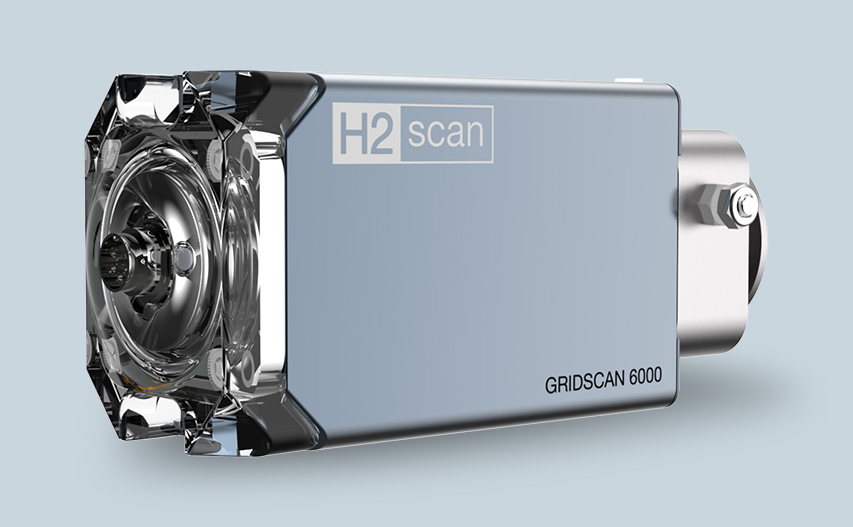
The GRIDSCAN 6000 represents the industry’s only key-gas monitoring solution that measures hydrogen, moisture, pressure and temperature all in one unit. This integration of key transformer health indicators allows grid operators to obtain continuous, online data to assess the status of their transformer fleets. A ten-year warranty eliminates maintenance concerns and reduces operational costs.
The HY-VAULT™ transformer monitoring solution is designed to enhance the safety and reliability of network transformers. By integrating the GRIDSCAN 5000 series with the AVO-1, the HY-VAULT provides real-time insight into the condition of network transformer fleets.
The HY-ALERTA® 5021 hydrogen area monitor is designed for battery room safety applications. It meets all code requirements, including continuous monitoring to keep hydrogen below 25% LFL (low flammability limit), communications to activate exhaust fans and Modbus communication for annunciation requirements. The sensor eliminates false positives by detecting only hydrogen and features a long lifecycle with self-calibration capability, without the need for calibration gases or costly site visits.
The HY-OPTIMA® Series provides continuous, hydrogen-specific process analyzers designed for ease of use, interface flexibility and accurate process control in industrial applications. Available in various configurations, these sensors operate in background gas streams in demanding industrial environments.
Undetected hydrogen can lead to catastrophic equipment failures, safety incidents and production disruptions. H2scan’s hydrogen-based transformer monitoring solutions provide reliable, maintenance-free operation, giving the user peace of mind and continuous insight into the condition of critical assets.
With over 15,000 sensor systems installed worldwide and over 1.3 billion field-proven service hours, H2scan offers unmatched reliability for hydrogen-based transformer monitoring across transformer monitoring, battery room safety and industrial process applications.
Appendix

About the Author
GRIDSCAN® 5000 Series
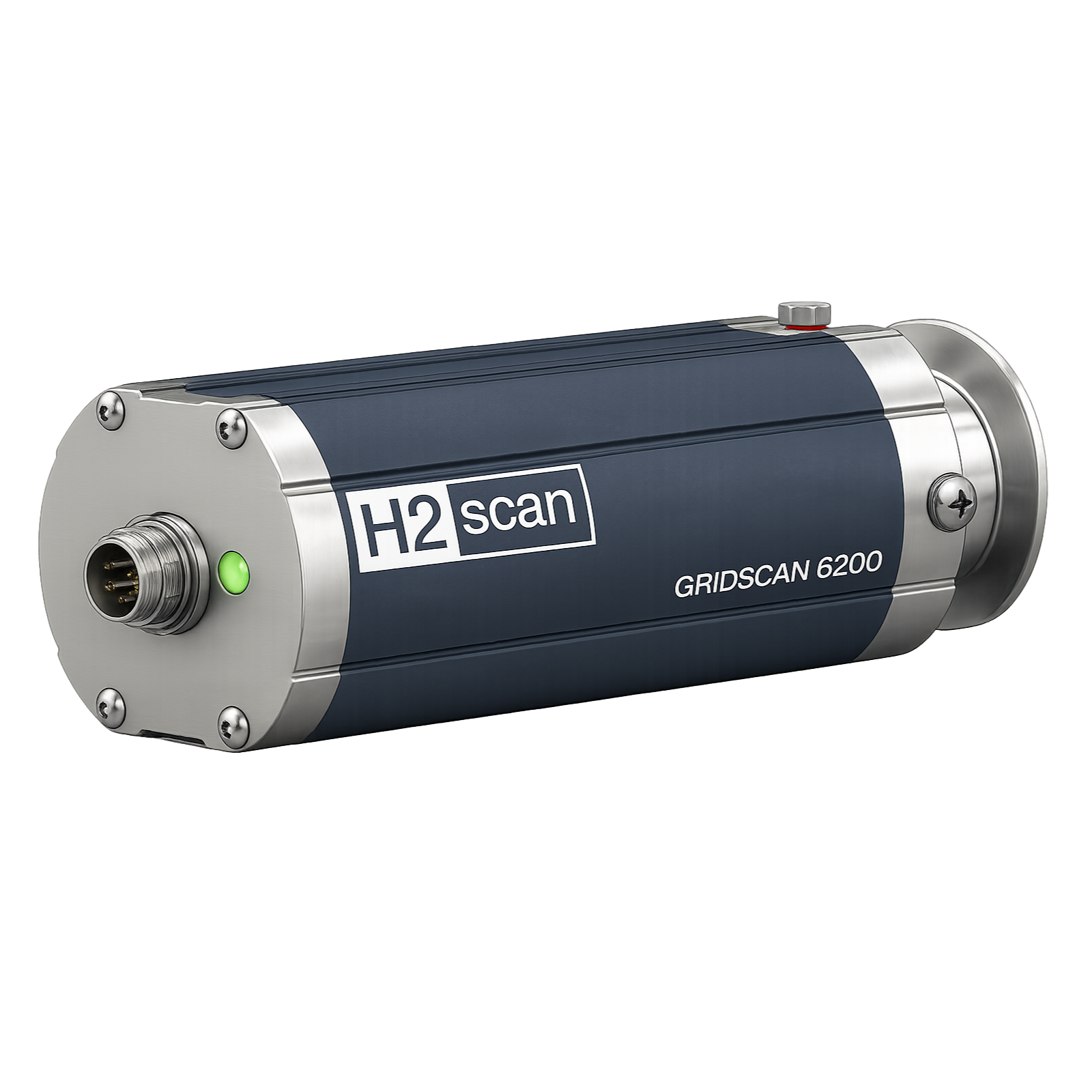
GRIDSCAN® 6200
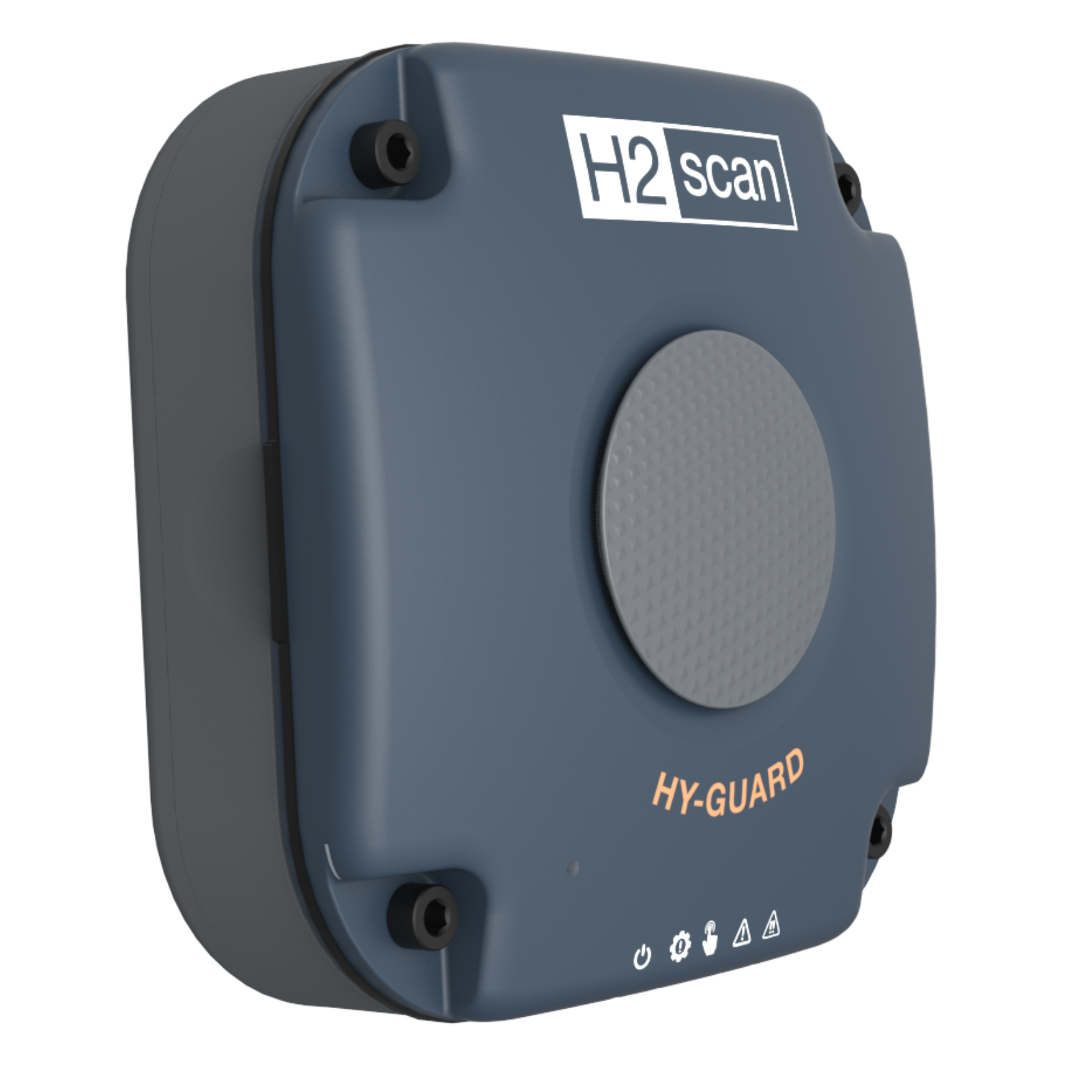
HY-GUARD®
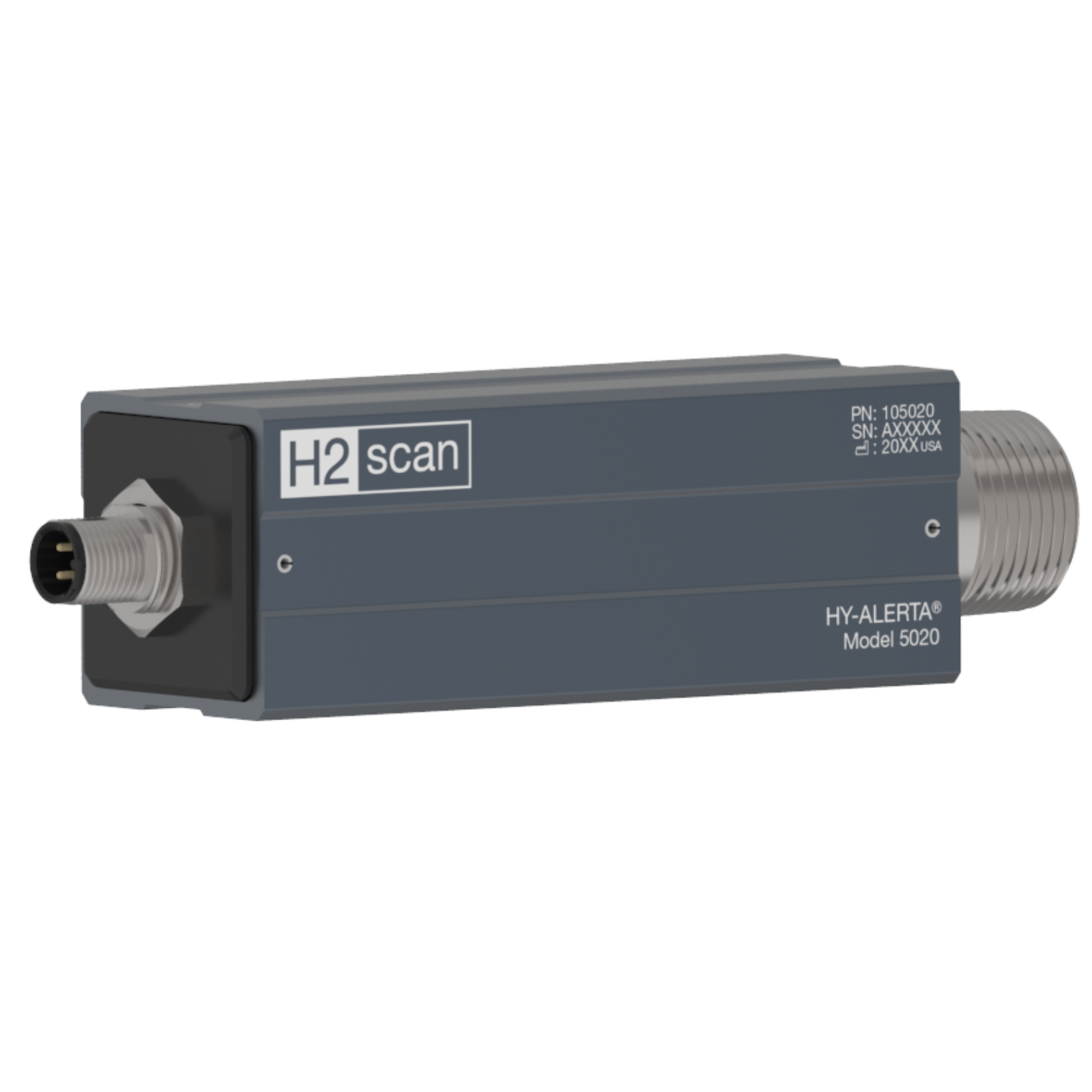
HY-ALERTA® 5020/5021
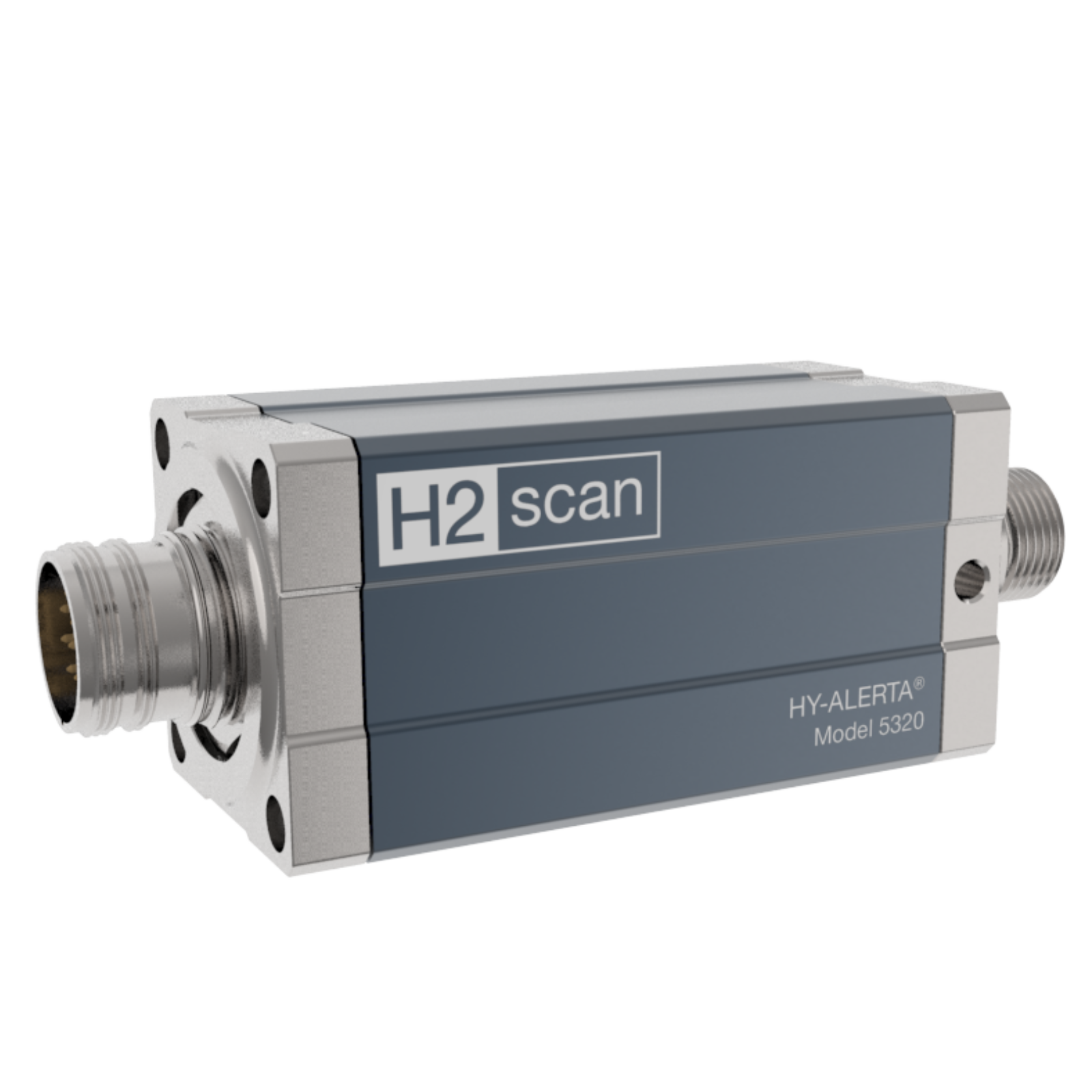
HY-ALERTA® 5320
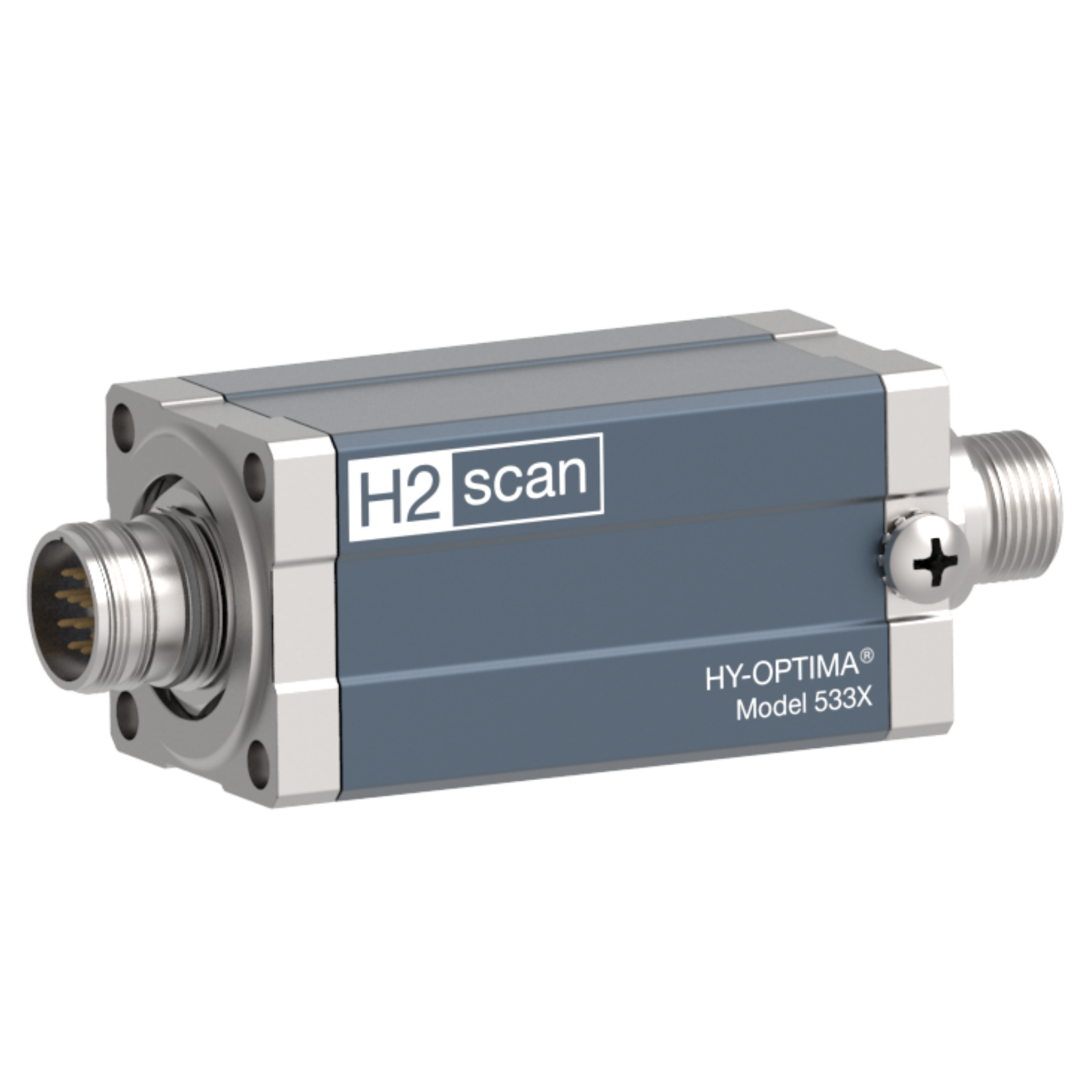
HY-OPTIMA® 5330 IS Gen 5
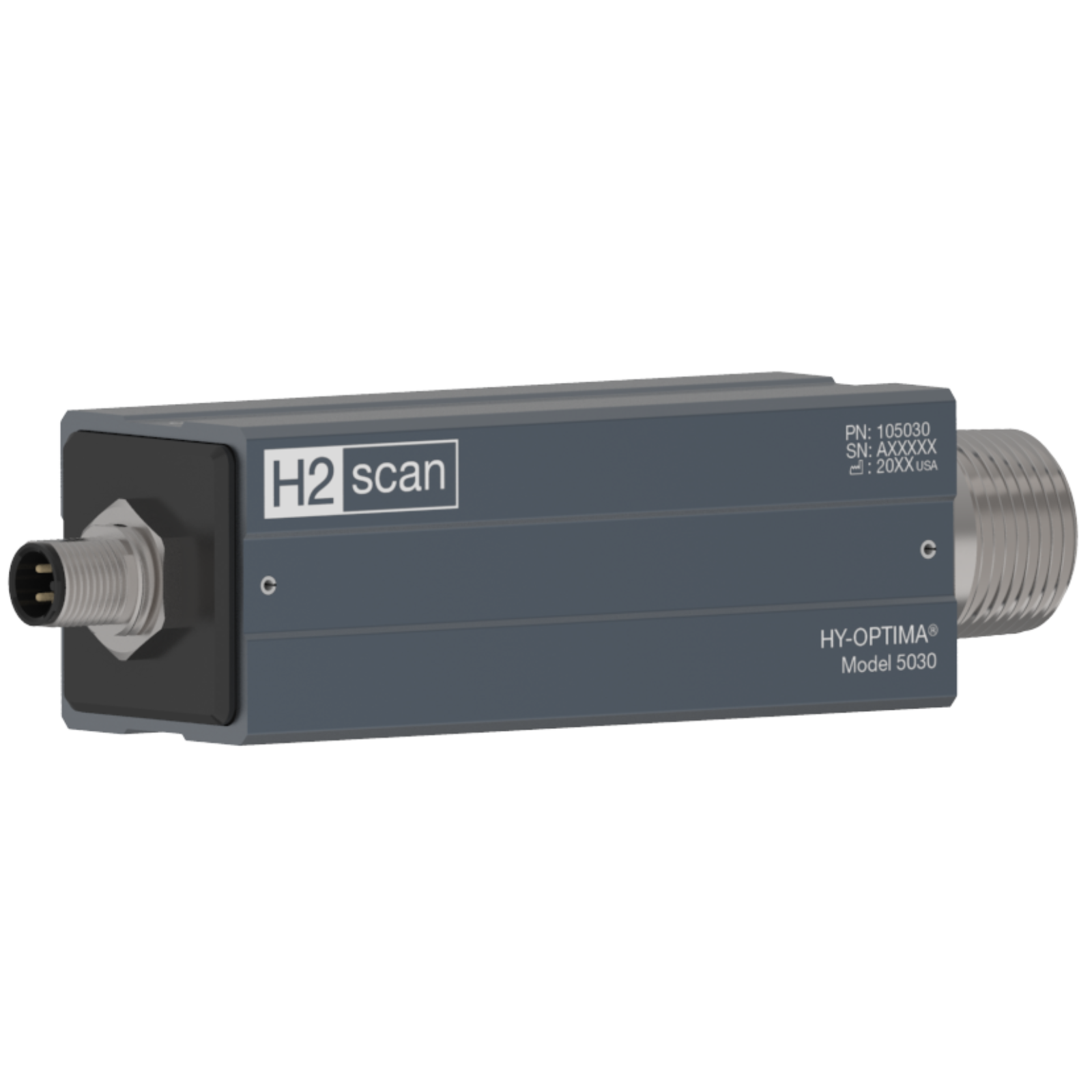
HY-OPTIMA® 5030 Series