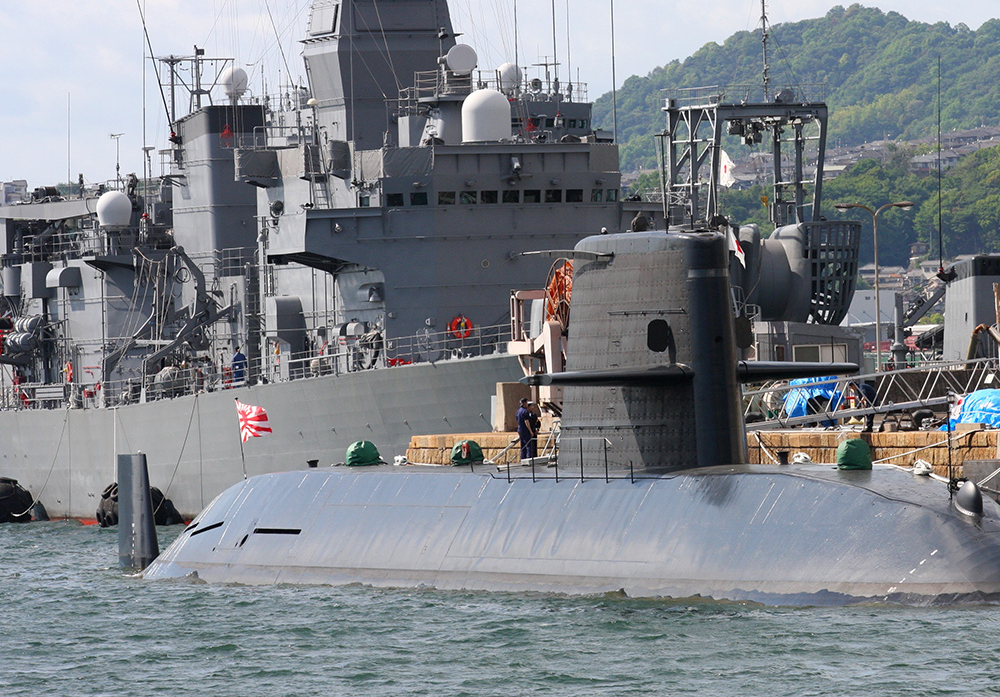
Defense environments concentrate hydrogen risk in the hardest places to manage it — sealed submarine battery compartments, confined equipment spaces and mission-critical sites where downtime and safety carry the highest stakes. Many sensing technologies degrade in sealed, low-oxygen conditions. H2scan’s solid-state sensors hold accuracy there, with no consumable chemistry to deplete and no routine calibration to schedule, so hydrogen monitoring stays dependable in the environments that demand it most.
Sealed /
low-O2
accurate where conventional sensors degrade
No consumables
dependable without routine calibration
Decades
of hydrogen-sensing expertise
From a single platform to a program, H2scan helps you specify reliable hydrogen monitoring for the most demanding environments.
Decades of hydrogen expertise. 1.3+ billion sensor hours in the field. Self-calibrating, hydrogen-specific solid-state sensing, with experts at your side.
Sealed, low-oxygen and confined spaces defeat many hydrogen sensors. H2scan’s solid-state approach keeps measuring accurately there, because it does not rely on oxygen, combustion or consumable chemistry.
With no consumables and no routine calibration, monitoring stays dependable through long, hard-to-access deployments — exactly where reliability matters most.
Reliable where conventional sensors degrade.
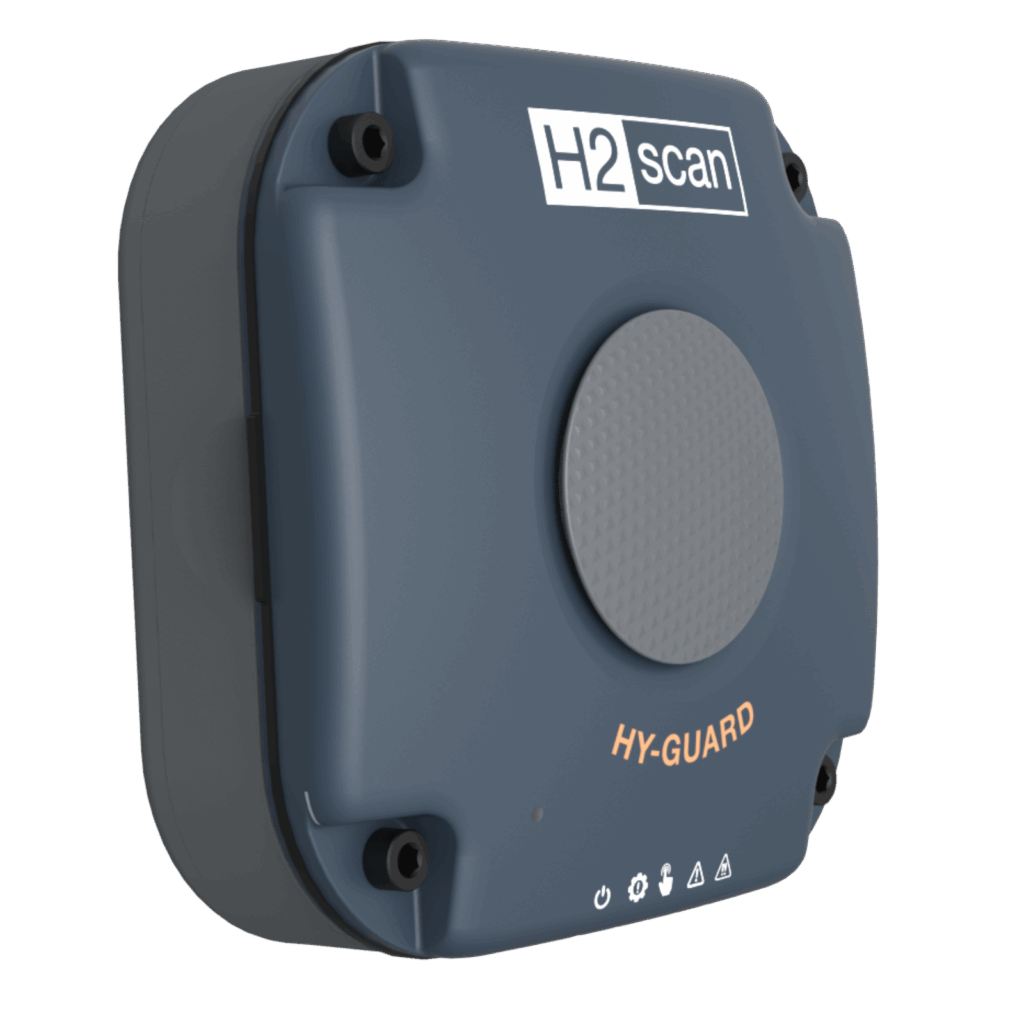
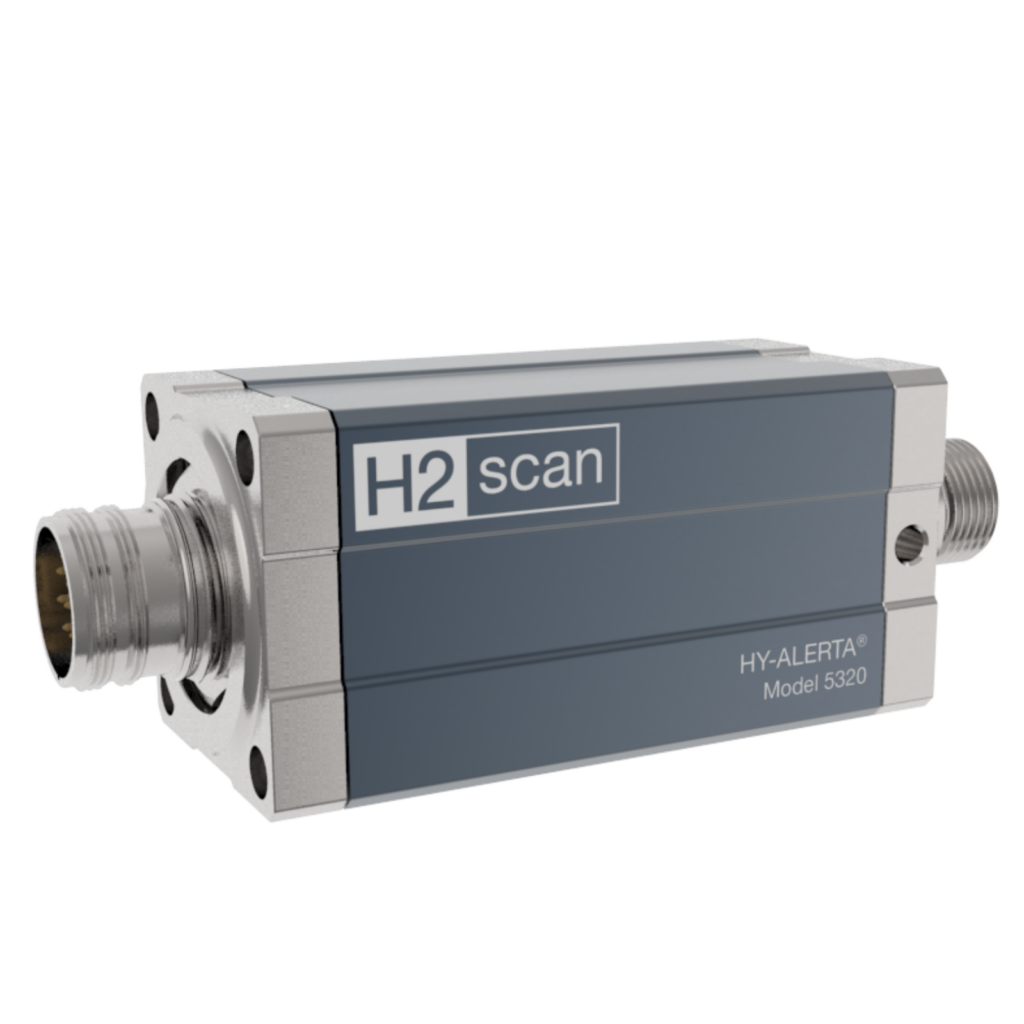
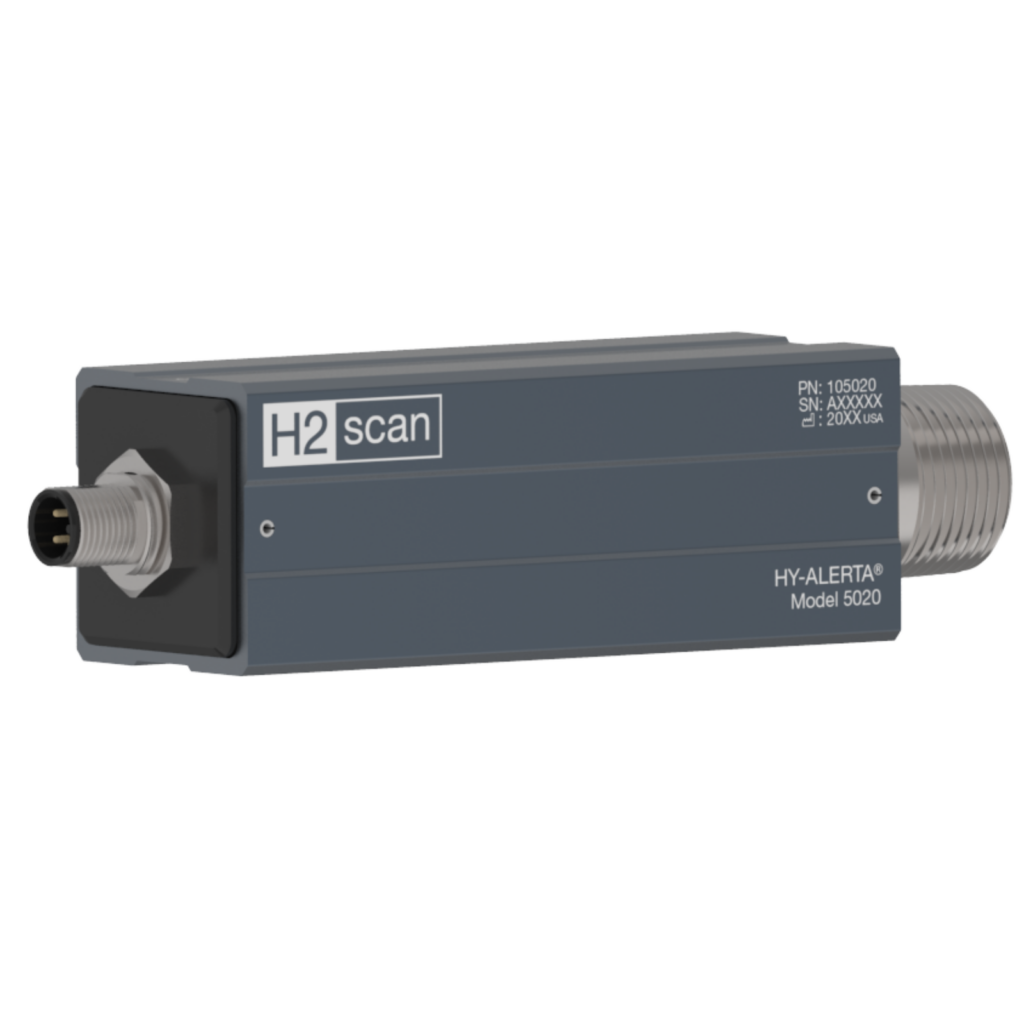
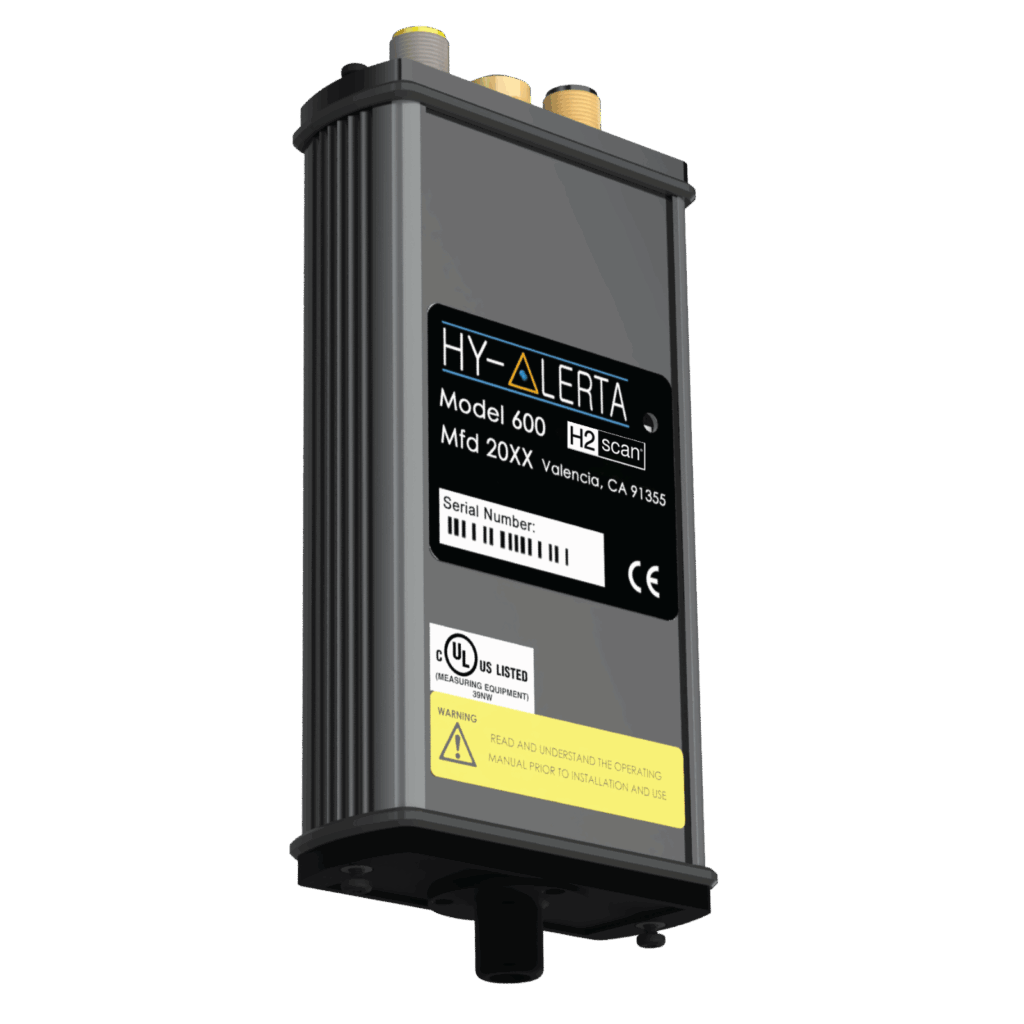
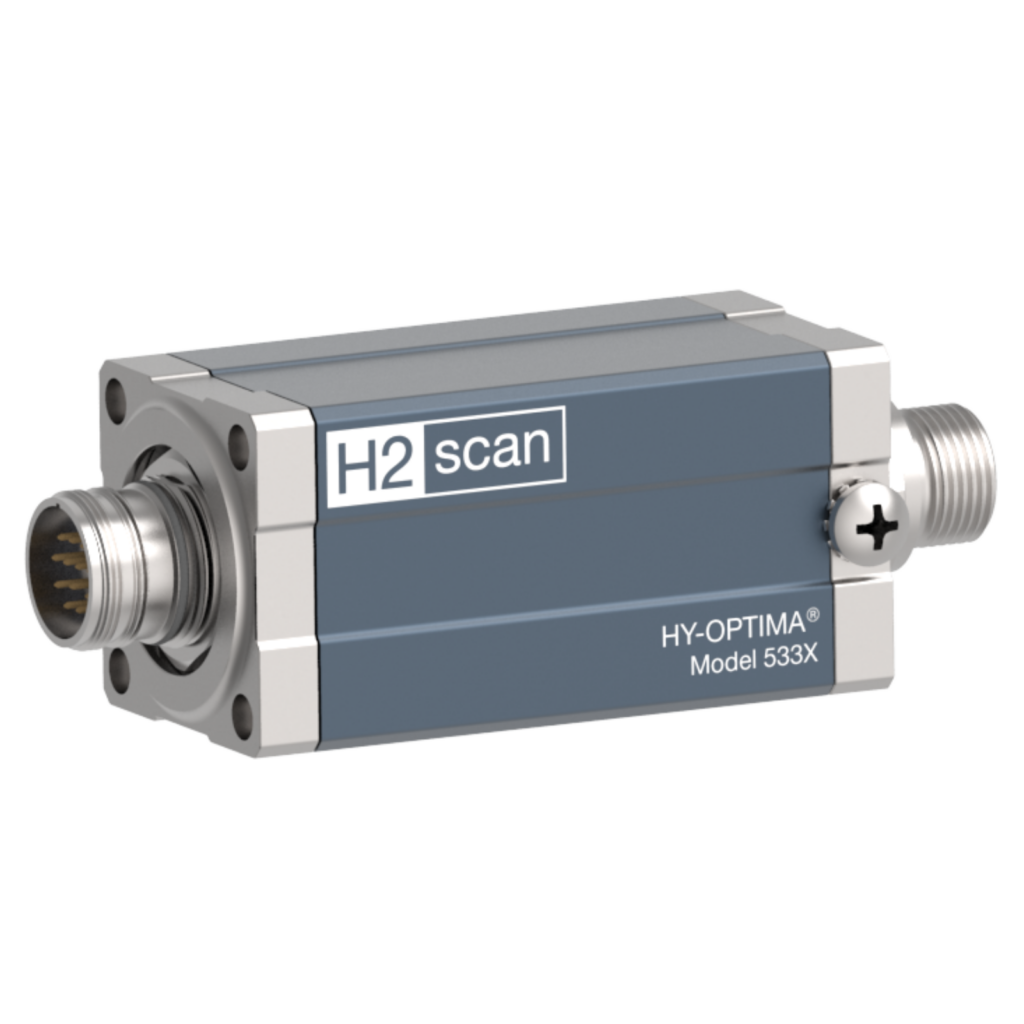
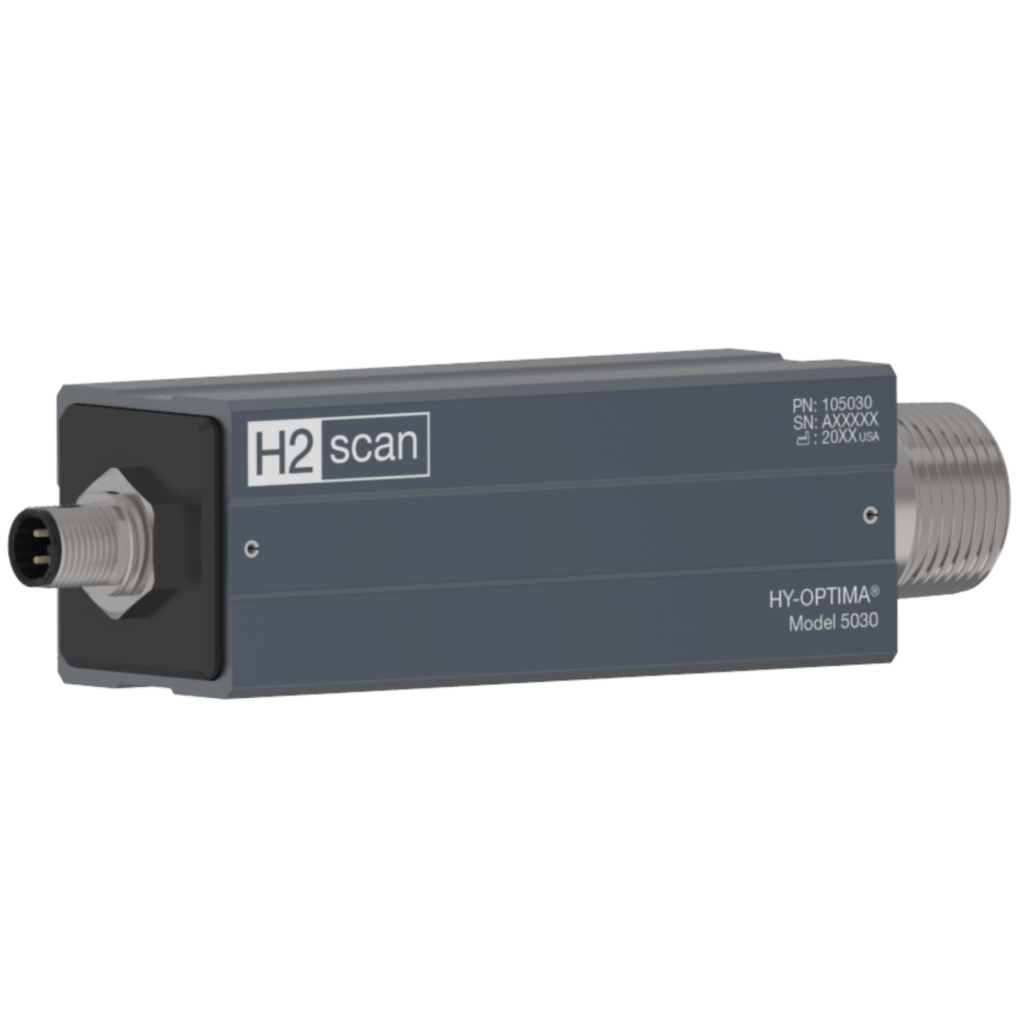
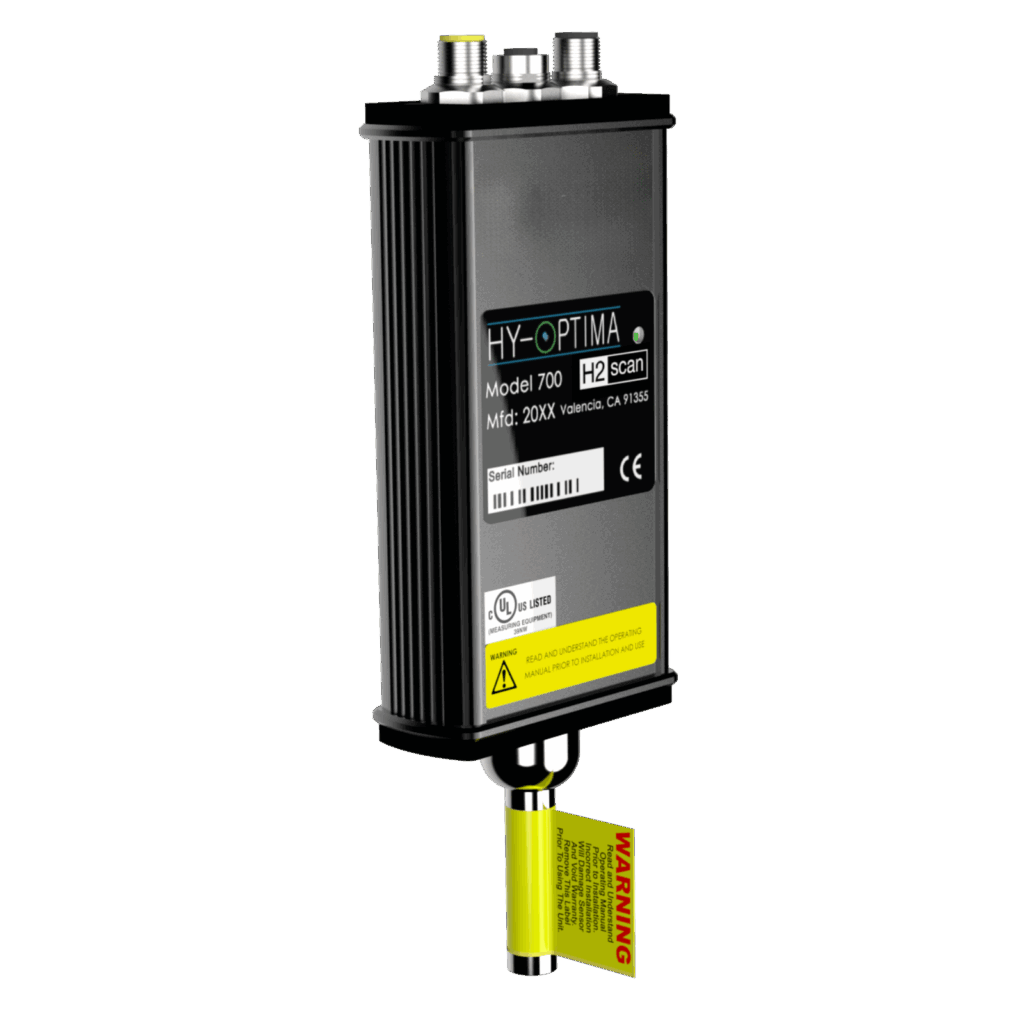
Compact sensing for battery compartments and equipment spaces.
Dependable through long deployments.
Early warning where the stakes are highest.
Trustworthy readings with minimal interference.
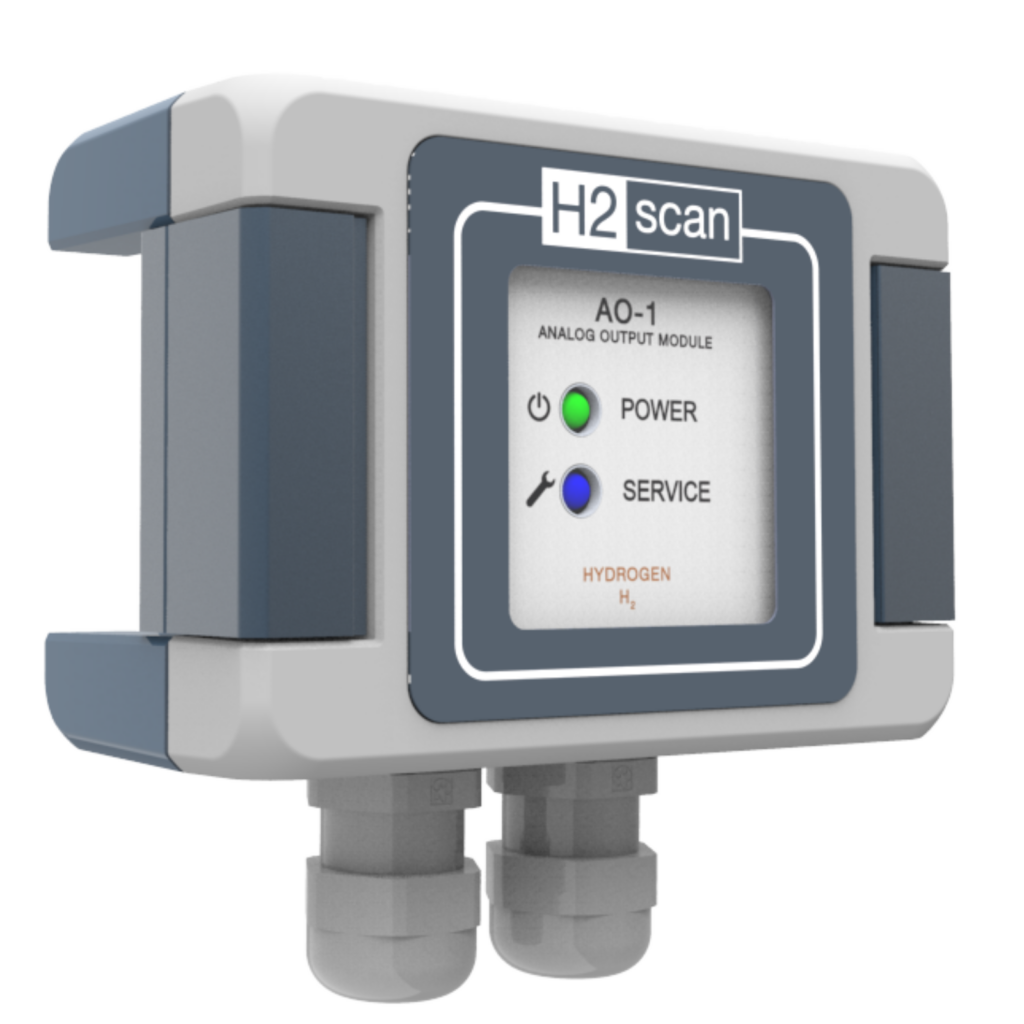
Standard outputs for platform systems.
Share your platform or site and an H2scan expert will scope reliable monitoring.
A. Submarine battery compartments generate hydrogen that, in a sealed environment, can accumulate to dangerous levels. Continuous monitoring in these confined, low-oxygen spaces gives early warning to protect the crew and the platform.
A. Battery rooms, energy storage, fueling and specialized processes can all generate hydrogen. In confined and mission-critical settings, reliable detection is essential where downtime and safety carry the highest stakes.
A. Its solid-state sensing does not depend on oxygen, combustion or consumable chemistry, so it keeps measuring accurately in sealed and inert environments where many sensors lose sensitivity.
A. No. They are self-calibrating with no consumables, so monitoring stays dependable through long, hard-to-access deployments.
A. Yes. Standard outputs allow integration with platform safety and control systems where connectivity is available.