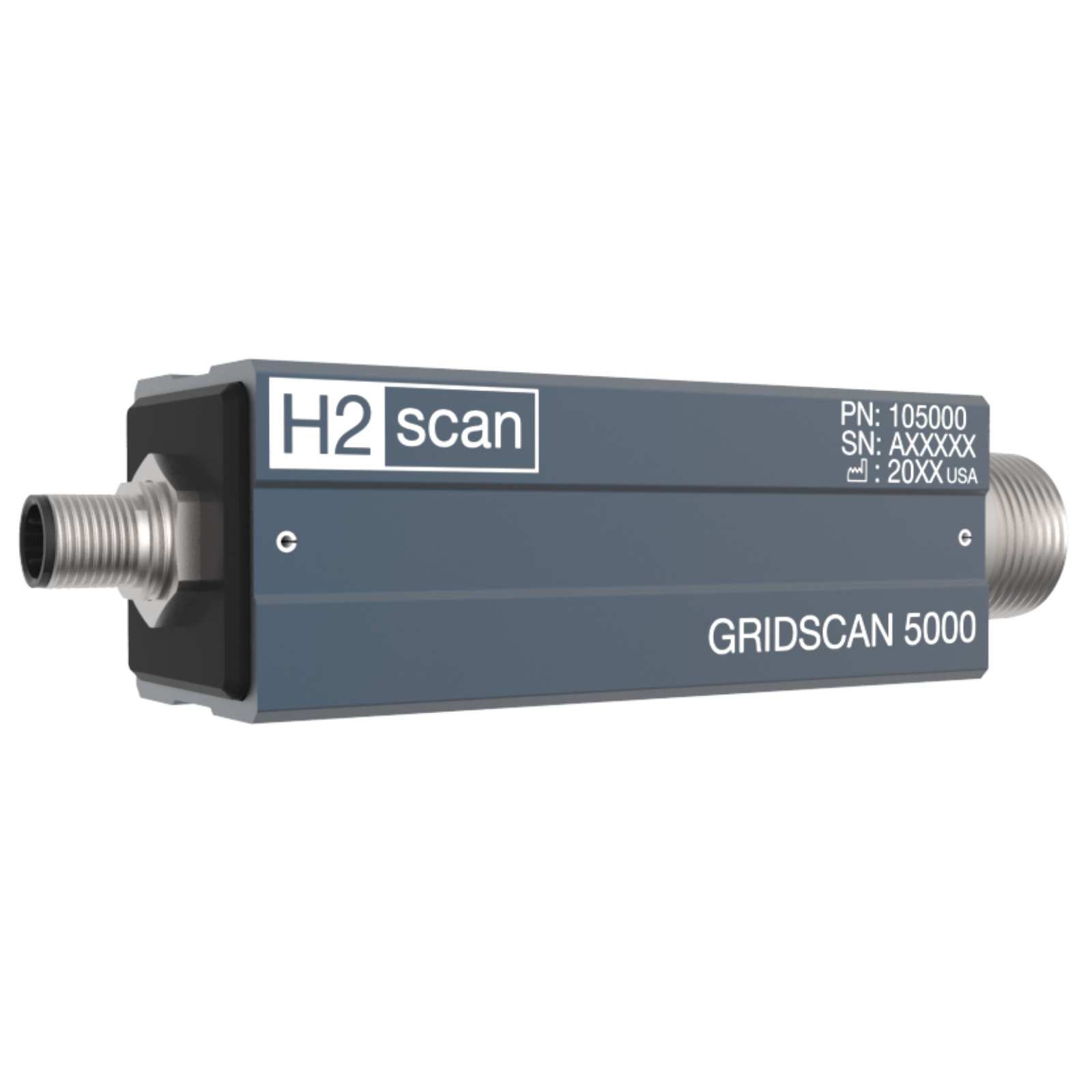
GRIDSCAN® 5000 Series
Hydrogen Sensor
Precision hydrogen measurement at low cost for utilities and OEMs. No calibration or maintenance for up to 10 years; over 15,000 sold with no after-sale calibrations since 2012.
View product
The North American power grid faces a perfect storm of challenges. Transformer lead times have skyrocketed from approximately 50 weeks in 2021 to an average of 120 weeks in 2024, with large power transformers requiring up to 210 weeks—nearly four years—according to Wood Mackenzie research. Meanwhile, more than half of U.S. distribution transformers—roughly 40 million units—are already beyond their expected service. Adding to the crisis, utilities report that transformers now cost four to six times what they cost before 2022.
Yet tens of thousands of legacy dissolved gas analysis (DGA) monitors across North America, intended to preserve and extend transformer service life, are reaching end of life after 30-plus years of service. This is creating a secondary crisis for utilities already struggling with transformer supply constraints. With replacement timelines measured in years and costs spiraling, the monitoring systems protecting these critical assets become even more vital.
As utilities grapple with these compounding challenges, the traditional approach of replacing aging monitors with equivalent multi-gas technology perpetuates the same maintenance burdens and false alarm issues that have plagued operations for decades. In fact, each separate multi-gas online DGA monitor can cost between $20,000 and $40,000 (or more) per transformer. Beyond the initial expense, these traditional systems require frequent maintenance and recalibration and generate persistent false alarms, leading to operator fatigue and unnecessary interventions.
Yet, tens of thousands of legacy dissolved gas analysis (DGA) monitors across North America, intended to preserve and extend transformer service life, are reaching end of life after 30-plus years of service
Ignoring the issue jeopardizes safety and degrades the condition of expensive assets. When transformer replacement timelines are measured in years rather than months, the industry needs monitoring solutions that prioritize reliability and early fault detection over comprehensive gas analysis—a shift that requires rethinking decades-old assumptions about effective transformer monitoring.
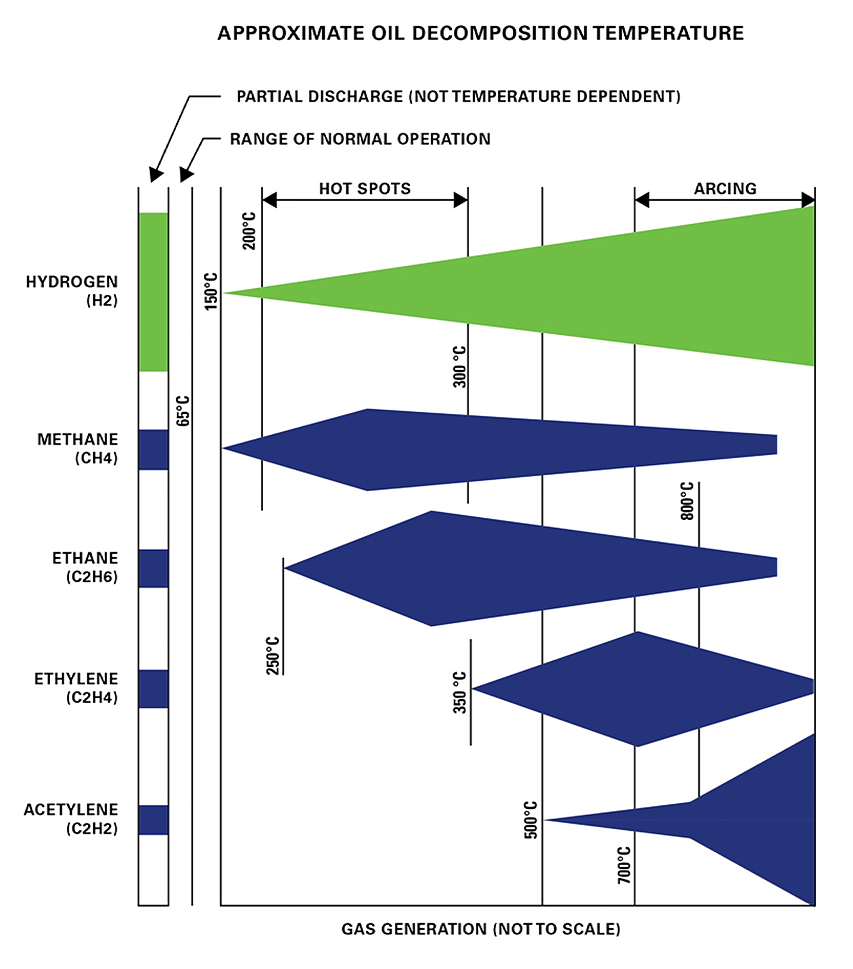
Recent advances in solid-state sensor technology are driving a shift away from older legacy monitoring technologies. Rather than detecting multiple dissolved gases simultaneously, newer monitoring architectures focus exclusively on hydrogen—the earliest and most reliable indicator of transformer insulation breakdown, which can lead to service interruption or even transformer failure. This targeted approach addresses many of the complications that have plagued traditional multi-gas systems.
Solid-state hydrogen sensors provide exceptional accuracy without the cross-sensitivity issues common in electrochemical cells. They require minimal maintenance and offer significantly extended service life. By measuring only hydrogen, these systems eliminate false positives caused by benign gases present during normal transformer operation.
For applications requiring integration with existing control systems, modular architectures are emerging that pair dedicated hydrogen monitors with optional control hubs. These hubs provide relay and analog outputs matching legacy multi-gas systems, enabling utilities to upgrade monitoring technology without reprogramming supervisory systems—a critical consideration for organizations managing extensive monitoring networks.
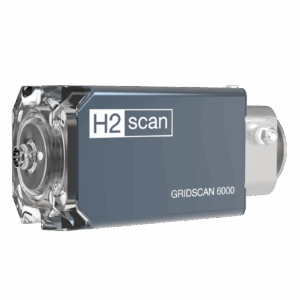
H2scan’s GRIDSCAN® 6000 hydrogen monitor with the optional GSAO-2 Control Hub exemplifies this approach, engineered to match the DNP3 point-mapping of legacy monitors while delivering the reliability advantages of solid-state hydrogen sensing.
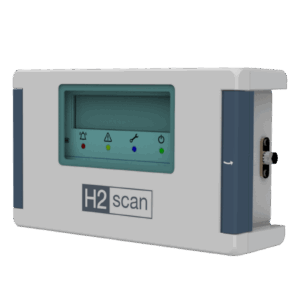
Solid-state DGA hydrogen sensors represents a fundamental shift in monitoring economics and reliability. Unlike traditional electrochemical sensors that require replacement every few years, solid-state technology can operate for a decade or more with minimal degradation, dramatically reducing total cost of ownership and improving measurement consistency over the sensor’s lifetime.
The operational benefits extend beyond maintenance reduction. By eliminating the cross-sensitivity inherent in multi-gas systems, hydrogen-focused monitors significantly reduce false alarms. Operators receive alerts only when hydrogen levels rise, not when benign gases cause false readings. This specificity builds trust in the data, enabling crews to address transformer problems quickly. Early warning is essential; one in three transformer failures occurs within 12 months of annual DGA testing.
The economic impact is substantial. Hydrogen-focused monitoring systems typically cost 50% or less than traditional composition gas monitors, with further savings from reduced maintenance requirements and extended sensor life. For utilities managing hundreds or thousands of monitored transformers under constrained budgets, these advantages compound significantly.
The GRIDSCAN 6000’s solid-state sensor demonstrates these benefits in practice—delivering the accuracy and reliability hydrogen-focused monitoring promises while eliminating the recurring sensor replacement costs that burden traditional DGA systems.
As utilities modernize their asset management practices, integration capabilities matter more than ever. The GRIDSCAN 6000 and GSAO-2 solution provides seamless connectivity with modern SCADA platforms and asset management systems, supporting the data-driven maintenance strategies that forward-thinking utilities are implementing across their transformer fleets.
As transformer supply constraints persist and monitoring equipment ages out simultaneously, utilities face decisions that will impact grid reliability for years to come. The traditional approach—replacing aging multi-gas monitors with equivalent technology—perpetuates maintenance burdens and false alarm issues at a time when budgets are stretched thin, and every transformer must remain in service longer.
Hydrogen-focused monitoring offers an alternative: simpler technology, lower costs, and more reliable fault detection. For utilities managing extensive monitoring networks, solutions like H2scan’s GRIDSCAN 6000 demonstrate that upgrading doesn’t require sacrificing compatibility or functionality—just rethinking what effective transformer monitoring actually requires.
GRIDSCAN® 5000 Series
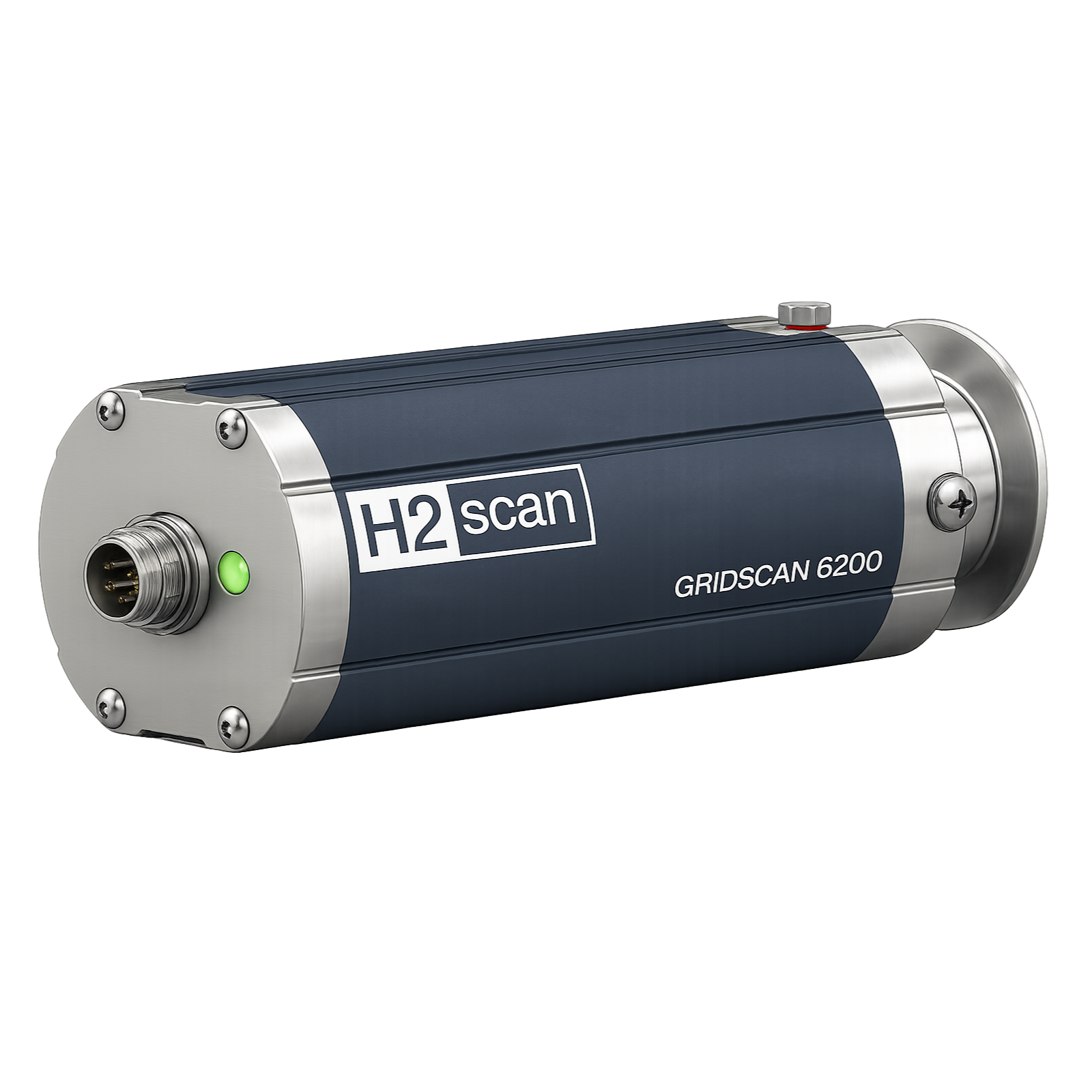
GRIDSCAN® 6200
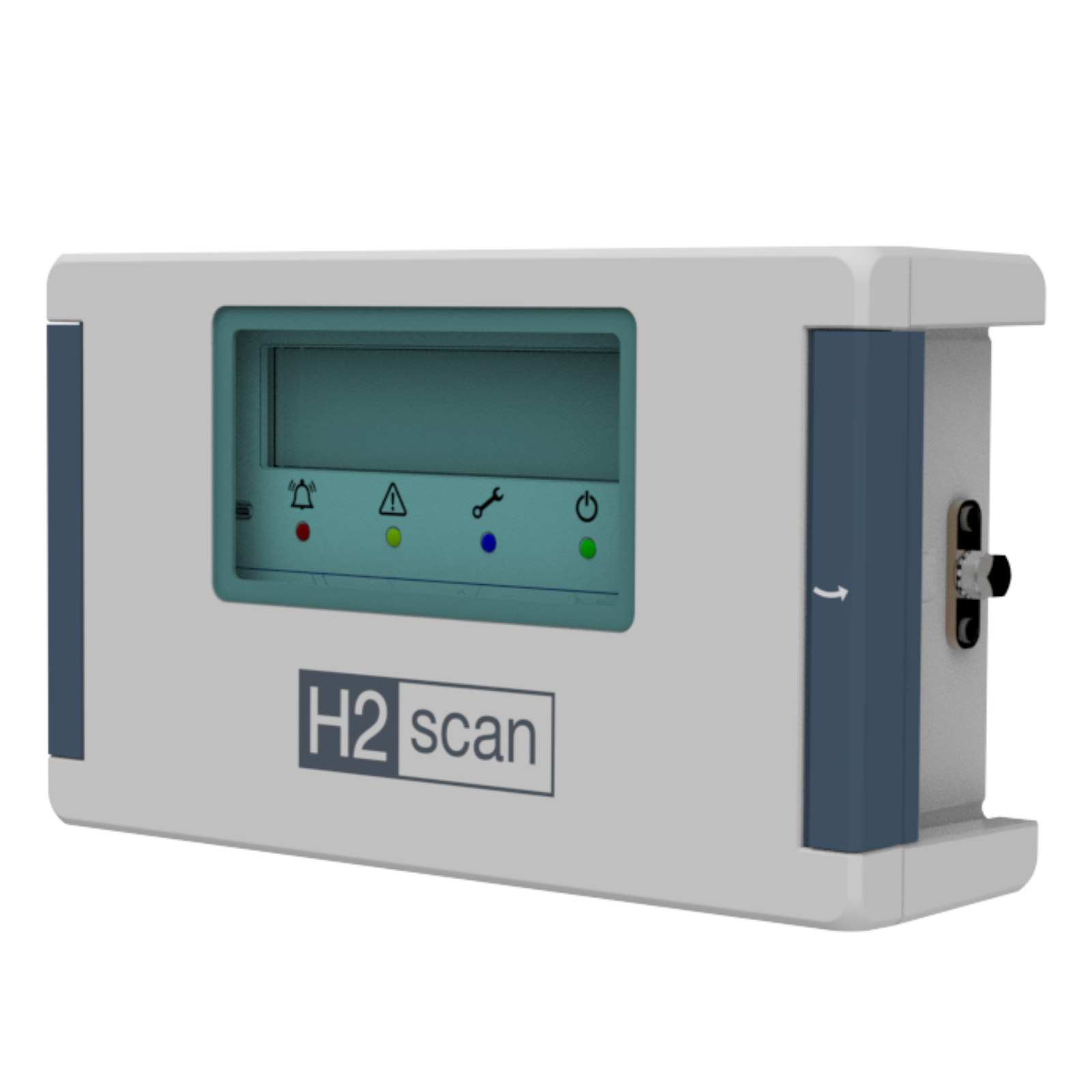
GSAO-2
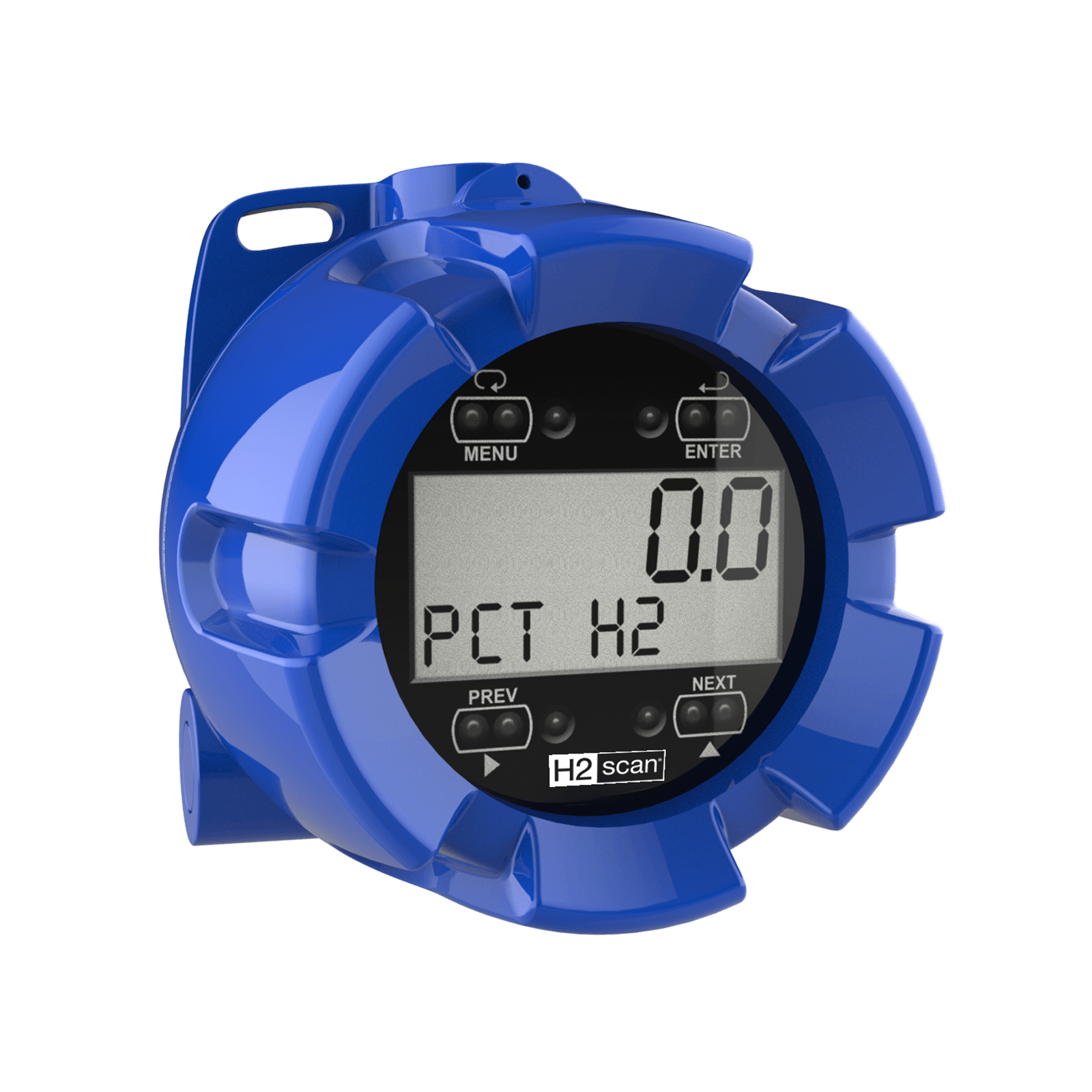
HYVIEW®
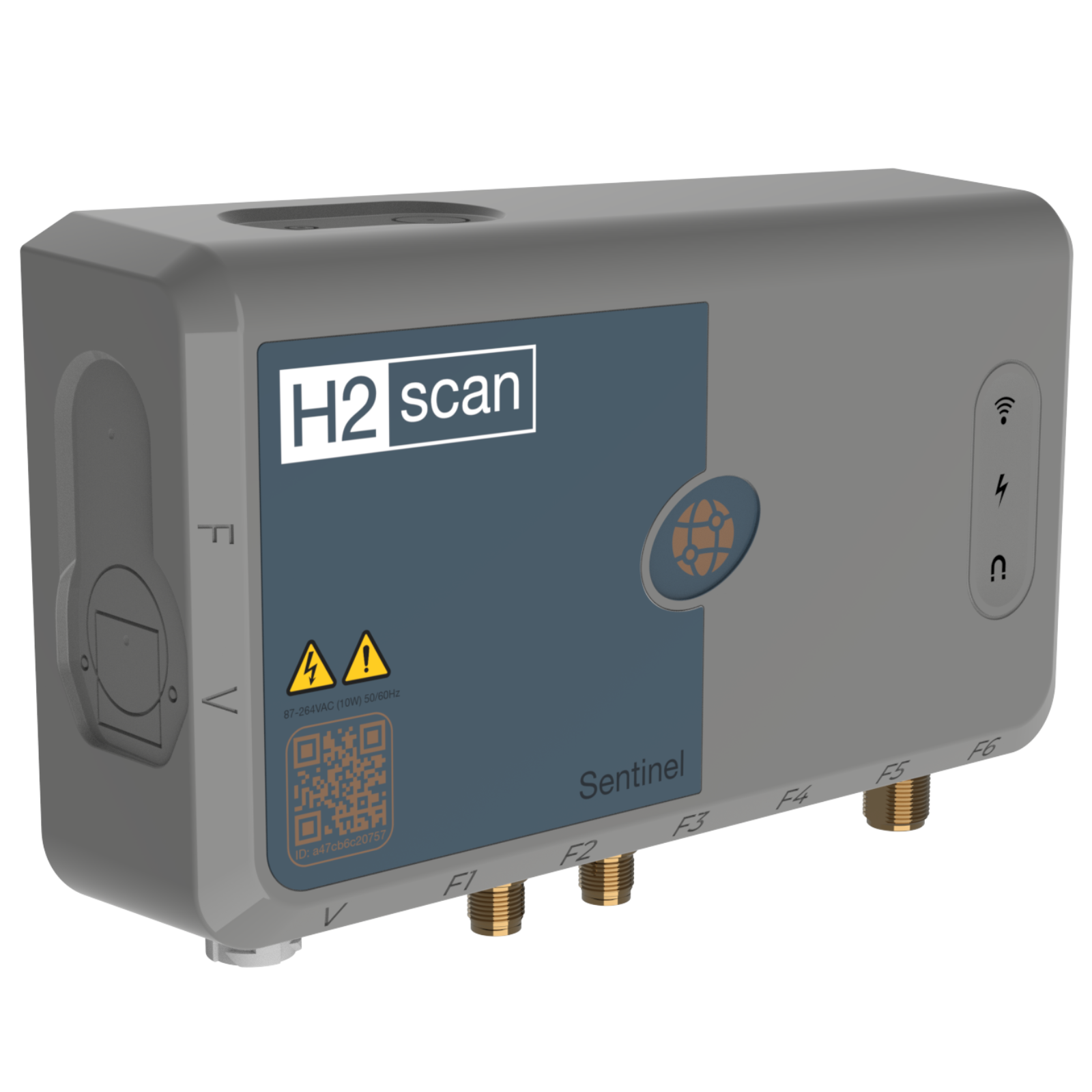
Sentinel® PRO
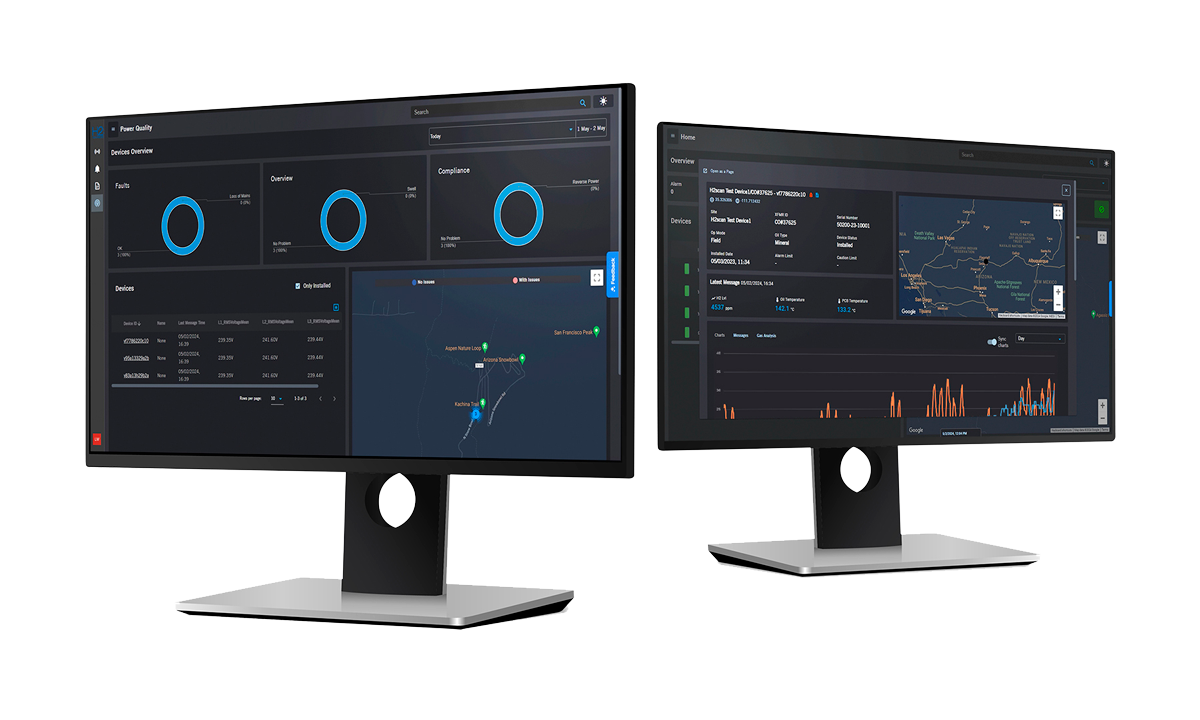
H2cloud™
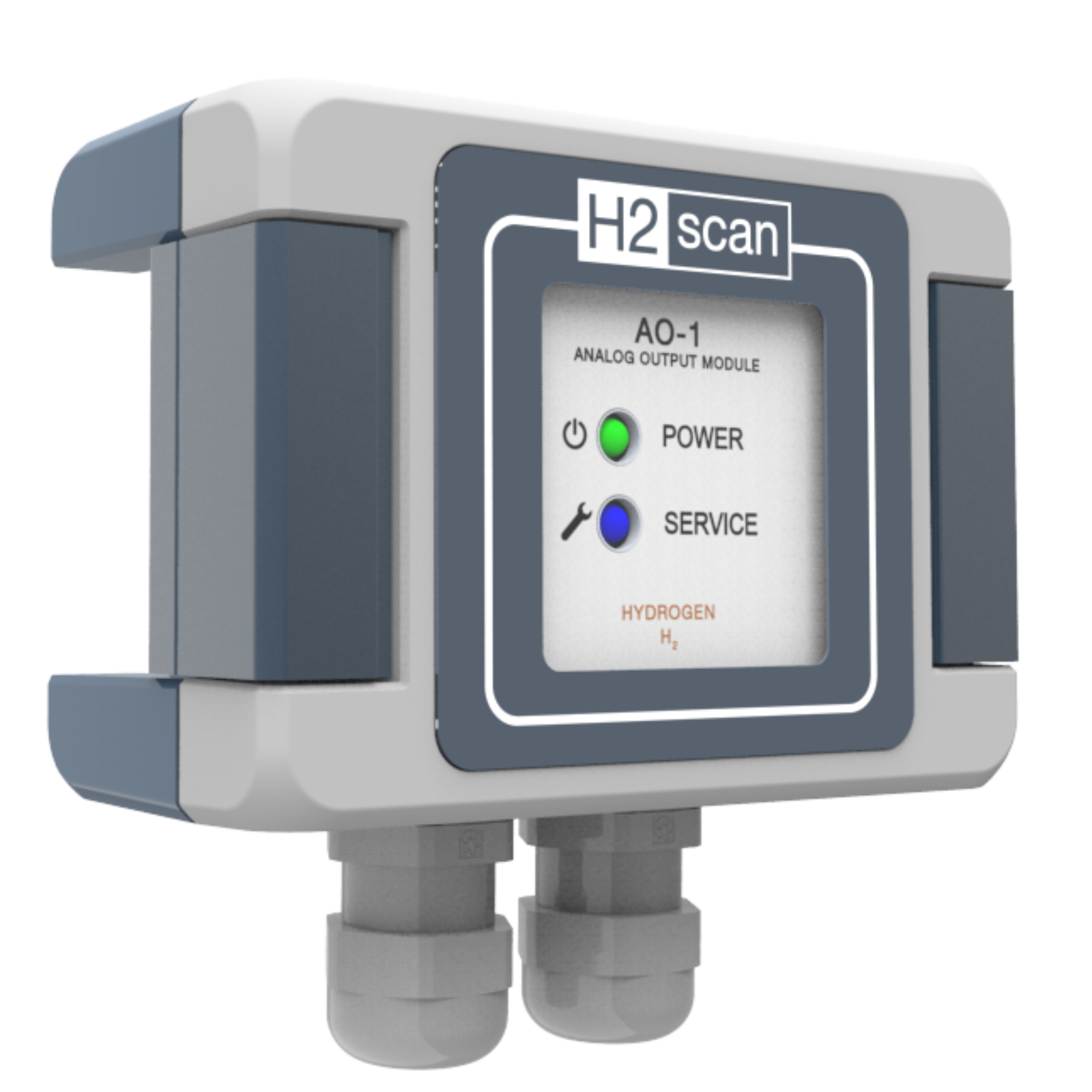
GSAO-1