
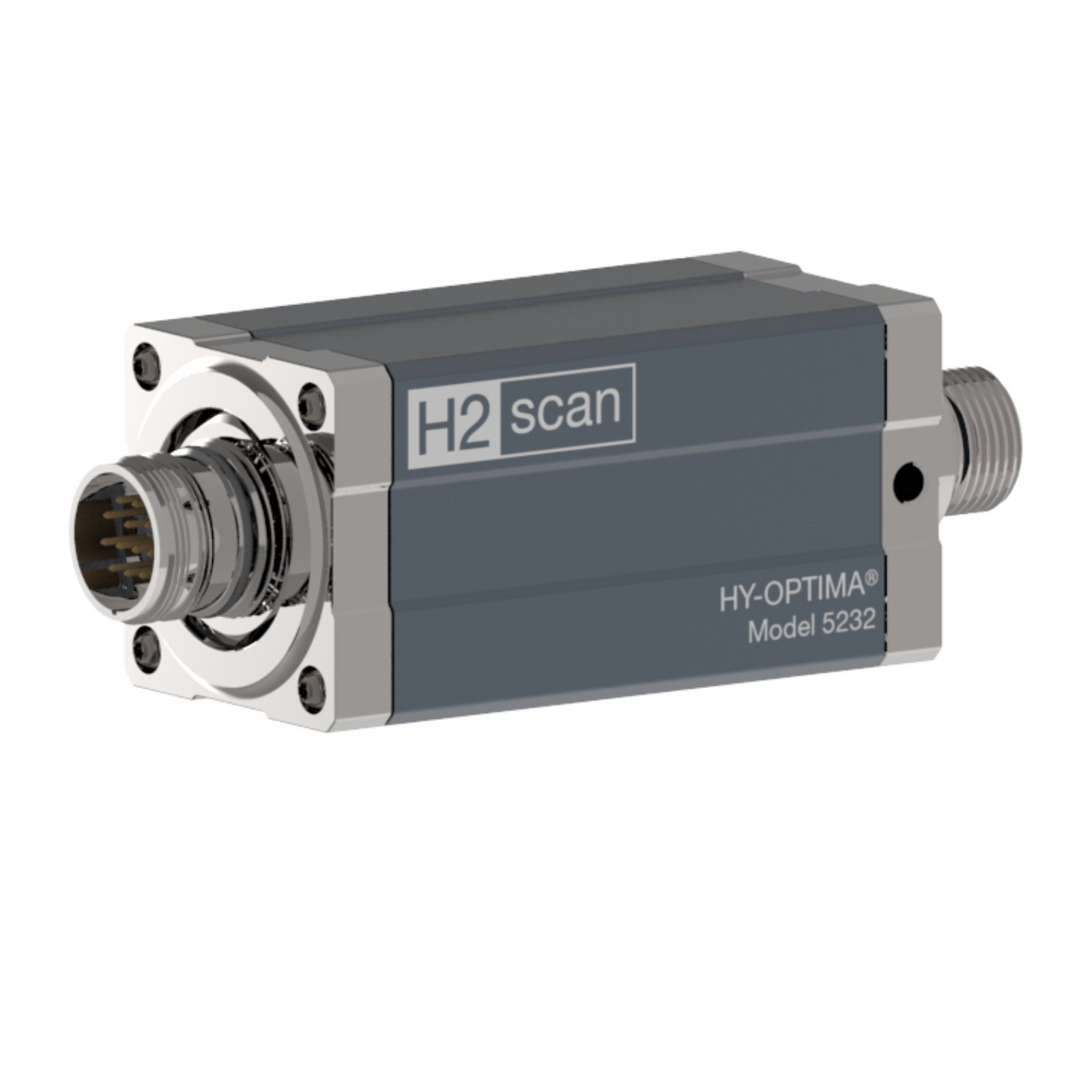
HY-OPTIMA® 5232
Hydrogen Monitor
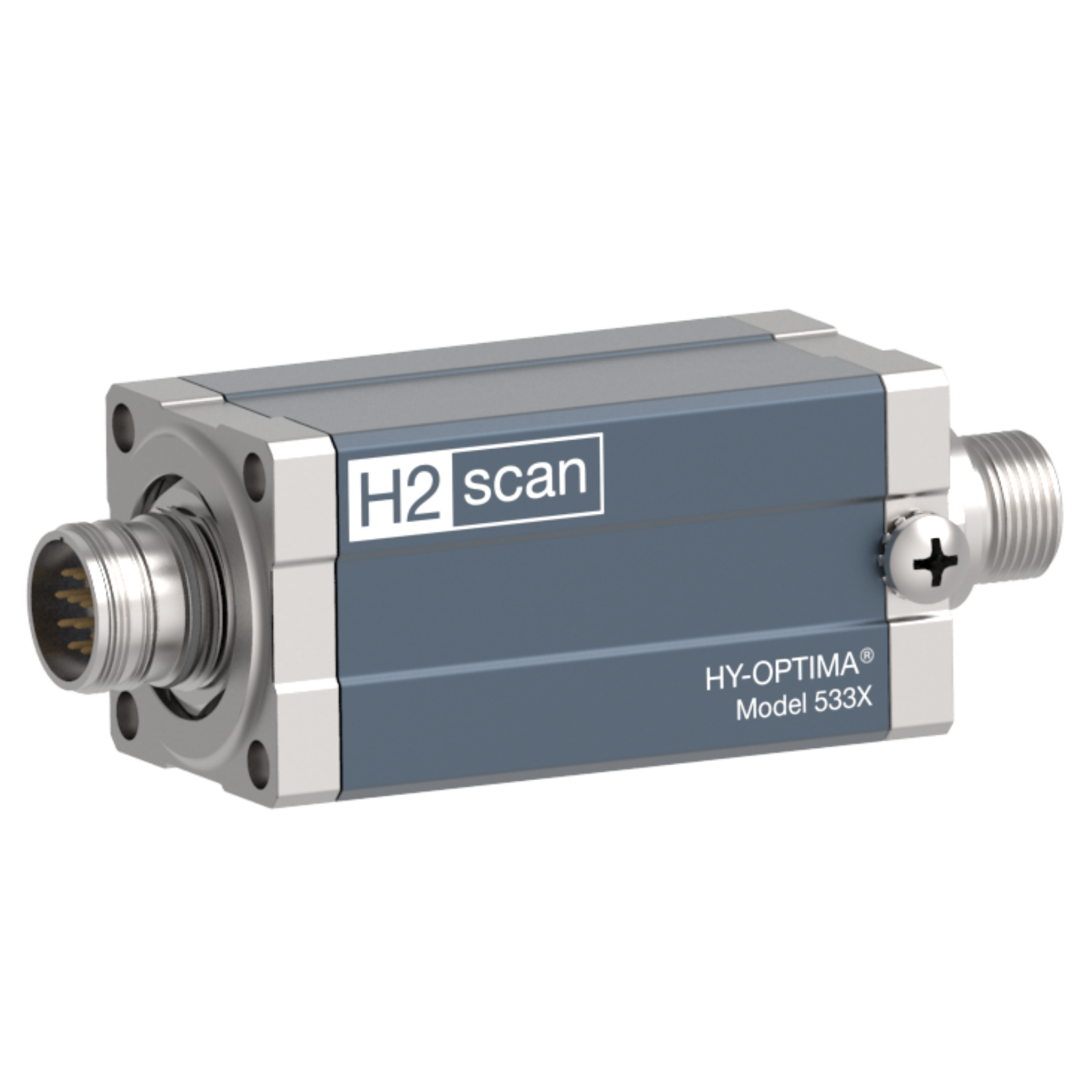
HY-OPTIMA® 5330 IS Gen 5
Hydrogen In-Line Process Analyzer
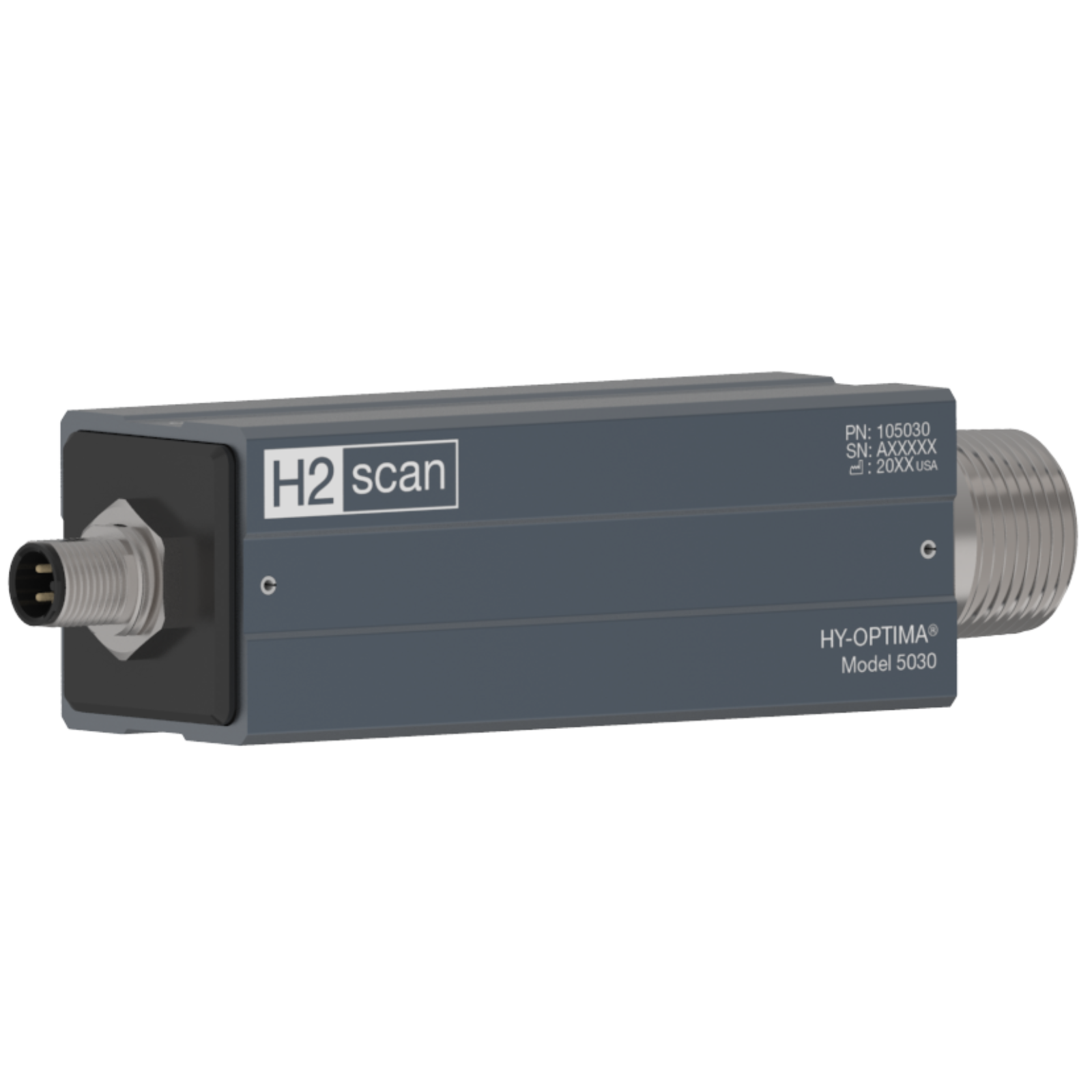
HY-OPTIMA® 5030 Series
General Use In-line Hydrogen Process Analyzer
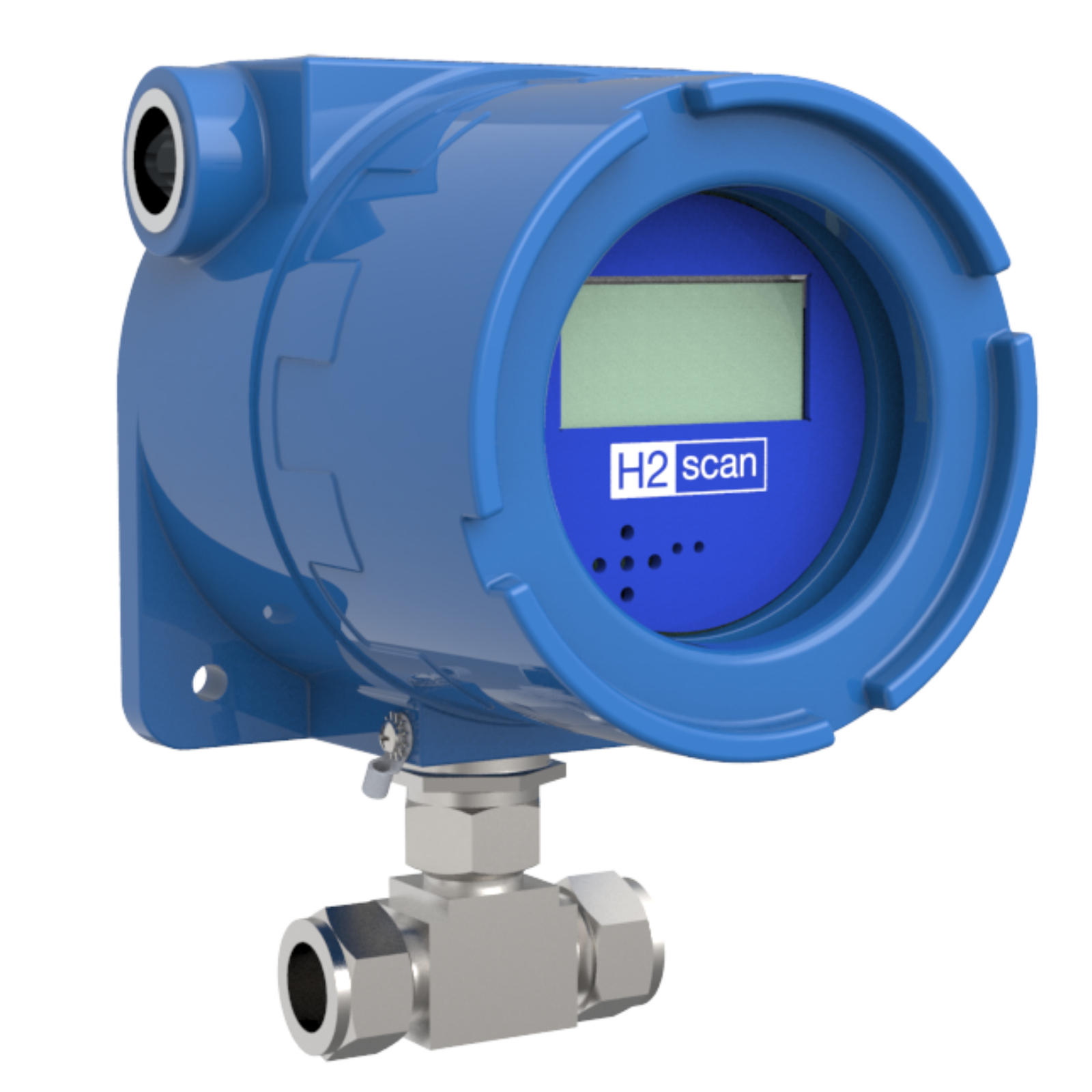
HY-OPTIMA® 2700 Series
Explosion Proof In-line Hydrogen Process Analyzer
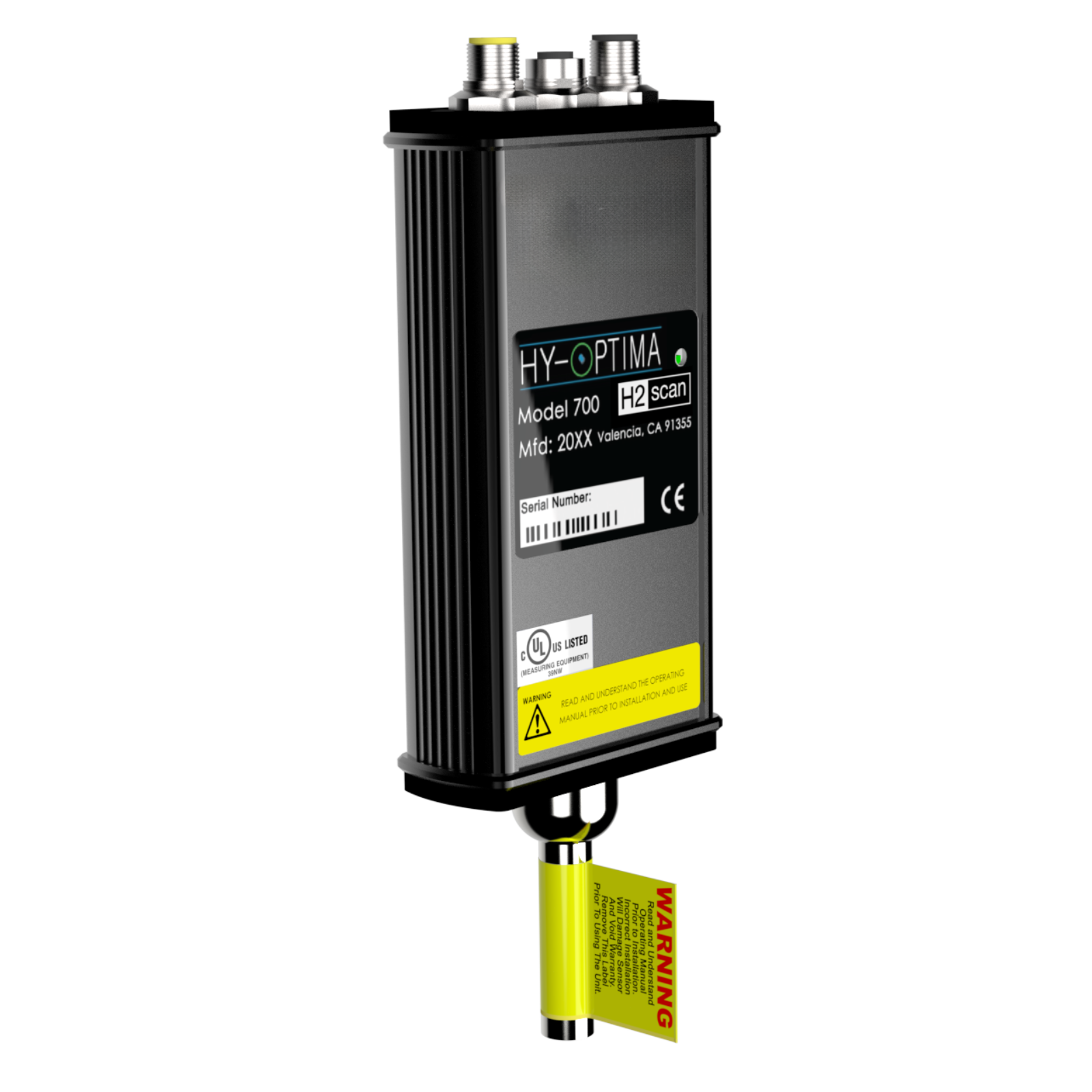
HY-OPTIMA® 700B Series
Process Hydrogen Analyzer
Line Card: Hydrogen Analyzers • Product Catalog: Process and Safety
Frequently Asked Questions
Where should a hydrogen detector be placed?
An inline hydrogen detector should be placed in the process stream.
What are hydrogen sensors used for?
Inline hydrogen sensors are used for accurately measuring hydrogen concentrations in a process flow, or for hydrogen leak and accumulation detection to ensure that safety standards are maintained.
How does a hydrogen leak detector work?
Hydrogen leak detectors measure the concentration of hydrogen in the air and trigger alarms or safety protocols when hydrogen is detected. They are designed to be accurate at low hydrogen concentrations since the default state is zero hydrogen present.
How to identify hydrogen gas leakage?
The primary way to identify hydrogen gas leakage is to install online hydrogen detectors (sensors) near areas that are prone to leaks, or where hydrogen will accumulate. Other, less reliable methods include routine inspection of equipment and pipelines, possibly with portable handheld devices, and routine maintenance and inspection of areas that are susceptible to failure.
Which room requires a hydrogen detection system?
A hydrogen detection system is required in any room or container where hydrogen can build-up (accumulate) or has potential sources of hydrogen leakage.
Why is a hydrogen leak difficult to detect?
Hydrogen leaks are difficult to detect because hydrogen as a low molecular weight, enabling it to disperse quickly. Hydrogen is the most mobile of the gases. Hydrogen is also colorless and odorless so necessitates the use of specialized detection equipment.